Applied Design
It mixes academic research + professional practice to create both finished products and experimental systems — including installations, prototypes, self-initiated material objects, design technology and speculative projects.
SO LONG! — Modular Ultra-Lightweight Sofa System
Nilufar Gallery, Milano, 2017
Unveil
Lightweight system for adaptable living and continuously reconfigurable spaces
Nilufar Gallery_2017

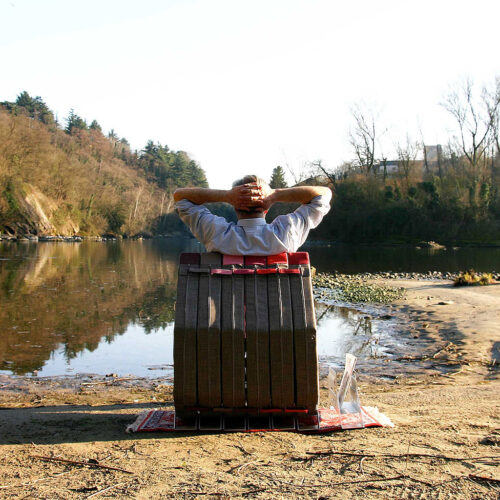
“SoLong!” is an extendable and highly flexible sofa system composed of modular cushion + base units, designed according to Design-for-Disassembly principles.
Each module features a bent and laser-cut aluminum base – which can also function as an independent shelf – paired with a nautical-grade polyurethane cushion and a removable, washable fabric cover in flax and fire-retardant PES.
Despite its solidity, every element weighs just 1.5 kg, making the system effortless to transport, reconfigure, or store.
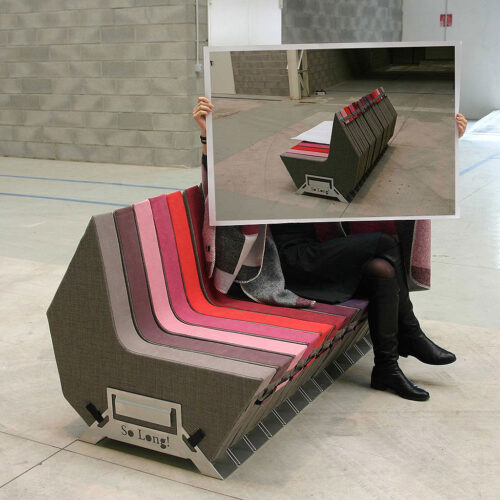
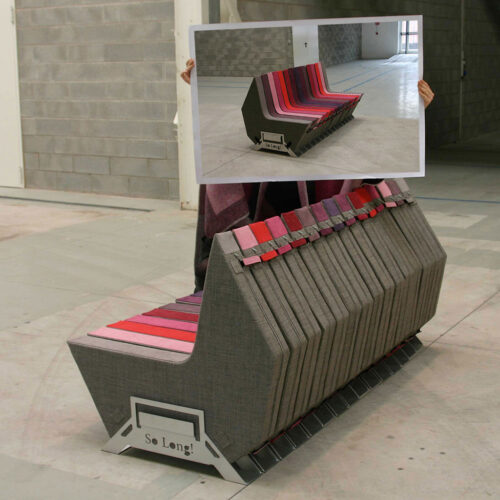
The project was presented in 2017 at Nilufar Depot in Milan, within a curated selection of works exploring new material approaches and reconfigurable furniture typologies. The space of the Depot — a hybrid between gallery, archive and architectural scenography — offered the ideal framework to highlight the system’s reversibility and spatial adaptability.
“SoLong!” was exhibited not as a fixed sofa, but as an open grammar of components: a sequence of light, reconfigurable units inviting the visitor to imagine multiple arrangements rather than a single definitive form. The installation emphasized mobility, modularity, and the idea of furniture as a dynamic presence capable of adapting to shifting domestic rituals.
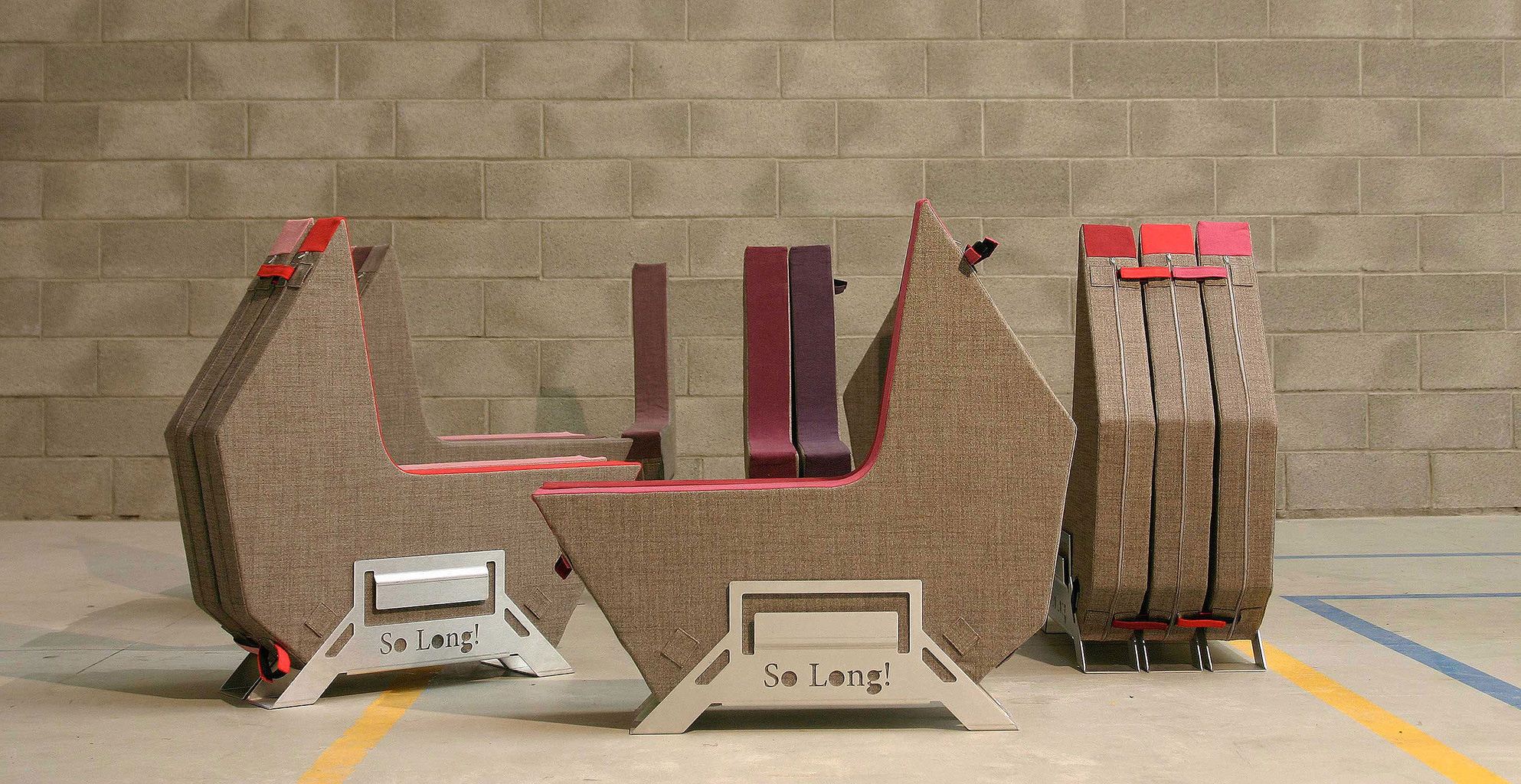
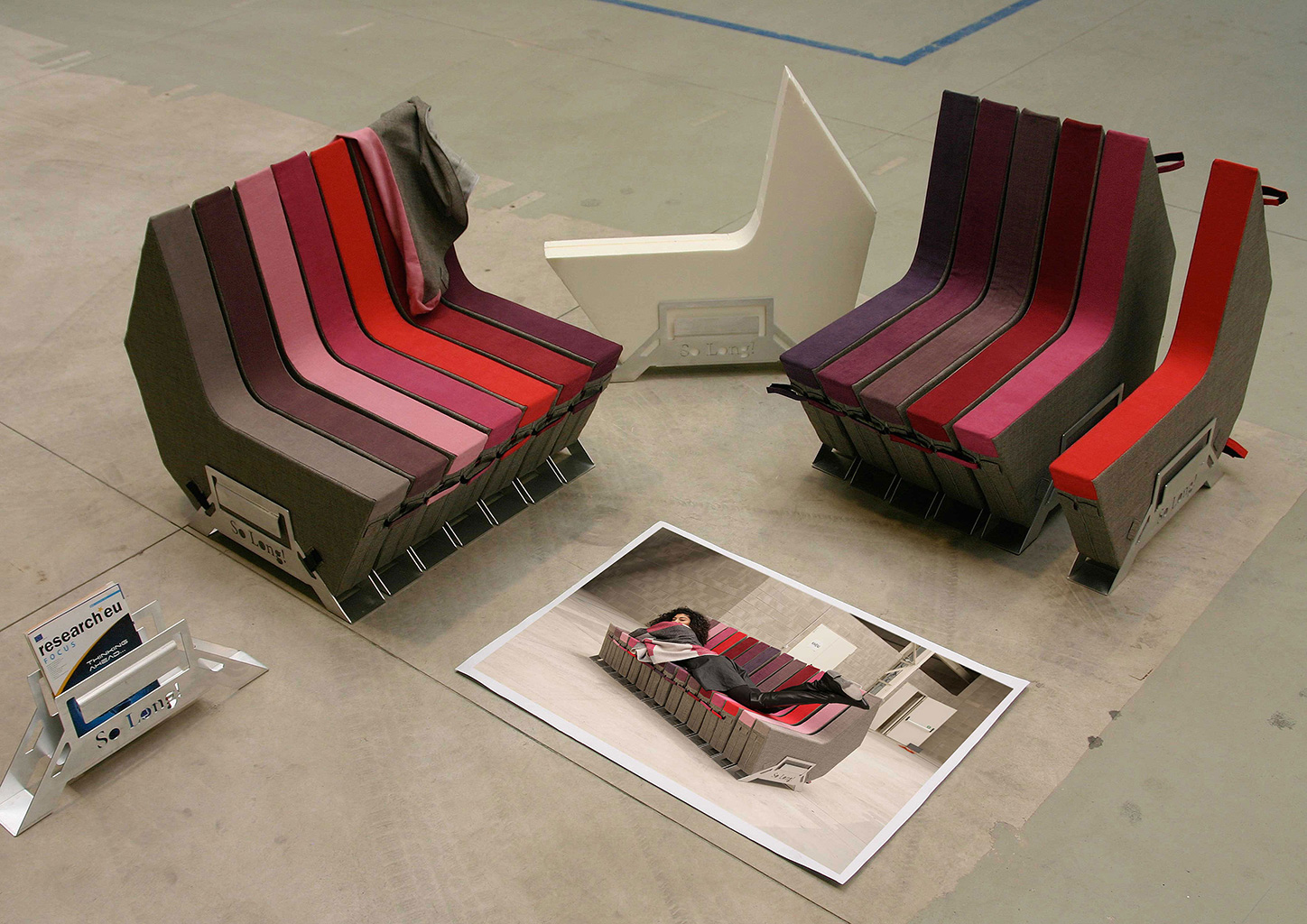
Nilufar’s curatorial setting reinforced the dialogue between experimentation and craft, placing the piece in conversation with contemporary Italian design research while framing it as a conceptual investigation into weightlessness, disassembly, and nomadic living. The project was received as a forward-looking interpretation of seating typologies, anticipating today’s growing interest in ultra-light, repairable and re-scalable furnishings.
The project originates from a research path focused on Design for Disassembly, investigating how furniture can be conceived as a set of reversible relations rather than a fixed object. The search for ultra-light, transportable and easily installable components led to a constructive logic in which every part is separable, replaceable and repairable over time.
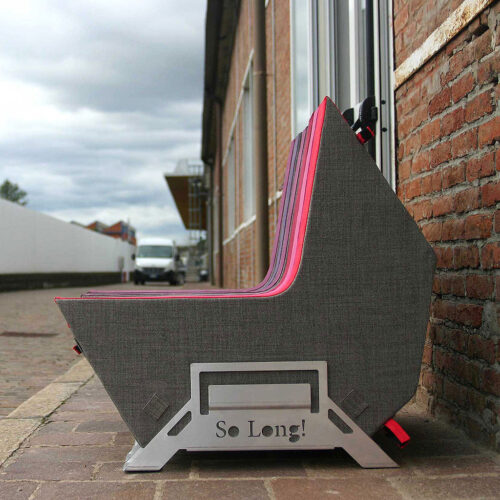
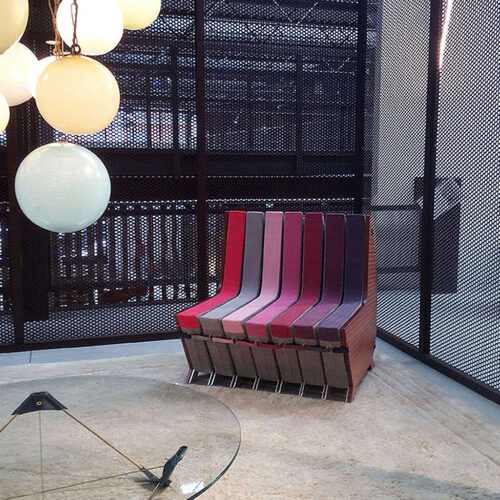
The use of nautical-grade polyurethane was not only a technical solution for durability and outdoor resistance, but also a conceptual gesture: its buoyancy makes the entire structure literally floatable, reinforcing the idea of furniture designed for movement, impermanence and spatial freedom. The removable and washable textile cover completes the cycle of reversibility by making maintenance simple and continuous.
The project draws inspiration from the designer’s experience of travelling across the Cycladic islands, where architecture and objects often remain light, temporary and adaptable to shifting conditions of use. “SoLong!” translates this Mediterranean culture of portability and assembly-in-situ into a contemporary seating system that privileges lightness, modularity and liberated forms of inhabiting.
Shenzhen Design Week
— Installation & Product Exhibition
A collaboration between Ate Rote and Artop Design Shenzhen on scalable bamboo applications
Exploration
From Overproduction to Regeneration: New Uses for Bamboo
Shenzen Design Week_2023

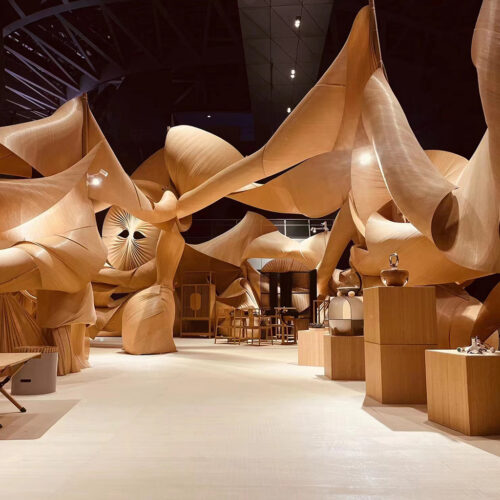
The Shenzhen Design Week installation is the outcome of a research and concept design programme developed by Ate Rote and manufactured in collaboration with Artop Design Shenzhen. The project investigates the potential of bamboo as a material system in response to its current overproduction in China, studying how it can be reinterpreted through contemporary manufacturing to serve new product categories — particularly within the fitness and pet-care sectors.


Bamboo installation and product exhibition
The research explores bamboo not only as a traditional craft material, but as an industrial ecosystem, suitable for scalable and lightweight production. The installation itself is built from woven bamboo mats, reinterpreting classical Chinese fabrication techniques and unfolding them into large, folded sail-like surfaces that act as both spatial scenography and structural narrative. These modular textile-architectural forms celebrate bamboo’s flexibility while hinting at its latent architectural intelligence.


Bamboo Kettlebell
Parallel to the installation, a collection of prototype objects demonstrates how bamboo can replace heavier or less sustainable materials in everyday products. The pieces are conceived through Design-for-Disassembly principles: they rely on interlocking systems rather than screws or permanent joinery, allowing each component to be separated, repaired or recycled. The formal language is deliberately essential, favouring geometric clarity to facilitate mass production while integrating bamboo with metal or recycled plastics where necessary for performance and durability.


Bamboo Dumbbell
The resulting family of products includes fitness accessories — such as dumbbells, kettlebells and jump ropes — as well as pet-related designs including bowls, kennels, litter trays and small accessory tools. Together, the installation and product series demonstrate a model of lightweight, low-impact manufacturing that is both locally grounded in Chinese material culture and future-oriented in its approach to portability, sustainability and modular reuse.

Bamboo Kennel
The collaboration with Artop Design leverages this ecosystem as more than a supply chain: it becomes a living laboratory, where concept, engineering and fabrication form a single iterative loop. Instead of treating manufacturing as a downstream phase, the project integrates it as an early design driver — using the city’s prototyping capacity to explore new bamboo geometries, interlocking systems and reversible assembly techniques at a speed and precision unmatched elsewhere.

Bamboo Pet-Food Boxes
Shenzhen provides one of the most advanced manufacturing ecosystems in the world, where rapid prototyping, craft evolution and industrial scalability coexist within the same geography. Presenting the project within the framework of the Shenzhen Design Week means situating it inside this design-to-manufacture continuum, where material research can be translated directly into tangible production outcomes without losing its experimental nature.

Bamboo Litter Box
Shenzhen’s role is therefore not merely logistical but cultural: it demonstrates how contemporary design can be co-developed with industry, allowing research to feed directly into applied innovation. This synergy enables alternative pathways for material futures — where sustainable resources like bamboo are reinterpreted through advanced processes while retaining their systemic intelligence.
Design-Technology for Advanced Furniture Concept Design
Research on Design Processes for Next-Generation-Products_University of the Aegean
Concepts and Process insights
Data-Driven and AI-Augmented Furniture Processes

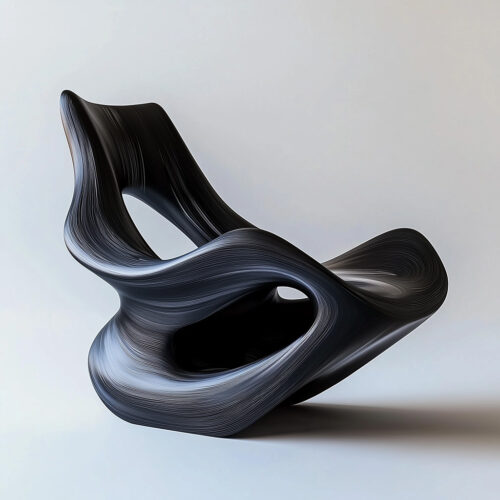
This body of work originates from the development of an advanced design-tech pipeline that redefines the way contemporary furniture concepts are generated, validated and transformed into prototyped artefacts. The process is conceived as a hybrid framework that integrates data-driven research, AI-assisted form exploration and parametric modelling, enabling a fluid transition from conceptual imagery to manufacturable 3D structures.
The workflow begins with an evidence-gathering phase, in which text-mining and visual analysis tools process large corpora of precedents, material logics, user requirements and emerging aesthetic signals. Instead of relying on trends filtered through intuition alone, the system extracts computationally verifiable patterns that inform the formal direction and structural logic of the project.
-Initial AI-generated Concepts-

-3D Model Generation-
These insights are then translated into AI-generated 2D explorations, producing a wide field of visual hypotheses. The AI is used not as a stylistic patch or moodboard generator, but as an “ideation accelerator” capable of mapping the design space rapidly, exposing multiple variations and latent directions that would be too time-consuming to arrive at through traditional sketch-based iteration.
In the next stage, selected visual outcomes are reinterpreted inside a parametric modelling environment, where form, proportion and structural continuity are rebuilt from first principles. Here, geometry becomes programmable: relationships are embedded rather than drawn, enabling fabrication constraints, material behaviour and ergonomic feedback to be integrated early in the process.
-Initial AI-generated Concepts-

-3D model ready for robotic CNC carving on biocomposites-
Once validated computationally, the models move into rapid prototyping through 3D printing, allowing immediate physical testing of touchpoints, assembly logic and spatial presence. This bridge between digital and tangible output drastically reduces the number of design cycles required to reach feasibility, shortening the gap between concept and engineering.
The goal of the process is not merely to accelerate production, but to introduce a new organisational logic for design:
-
requirements are incorporated upstream rather than “fixed later”;
-
validation becomes computational rather than speculative;
-
iteration becomes non-destructive and multi-branch;
-
and manufacturability is embedded directly inside the creative act.
-Initial AI-generated Concepts-
-3D Model ready for 3D Printing-
Through this method, a series of fluid and parametric furniture concepts has been developed — sculptural seats, continuous-surface tables, ultra-light components and hybrid furniture-architectures — each emerging from the same algorithmic logic of responsive form. The result is a family of designs that are not “styled” after the fact, but grown from structural intelligence, material behaviour and data-derived principles.
By consolidating research, ideation, modelling and prototyping into a unified pipeline, this design-tech process enables a significant reduction in development time and cost, while simultaneously increasing design precision and manufacturability. It is conceived as a future-facing approach to furniture innovation — one in which computational reasoning, parametric authorship and AI co-create a new spatial vocabulary for advanced material culture.
-Initial AI-generated Concepts-
-3D Parametric Conversions-
These design-technology processes form part of the ongoing research in advanced process design at the University of the Aegean, where Roberto Rota investigates how data-driven methods and generative AI can be integrated into the early phases of concept development. The research examines not only the technical outcomes of these new pipelines, but also their organizational implications: how workflows change, how roles are redistributed, and how design shifts from a linear sequence to a systems-based model of decision-making. Through this framework, the focus is on understanding how computational tools reshape the conditions of design practice, enabling new forms of agility, scalability and distributed fabrication, while redefining what it means to “design” within a post-industrial ecosystem.

Wood-oo Armchair
For Al2
Unveil
Contemporary Primitivism
Solid-wood CNC + bent plywood + upholstered comfort
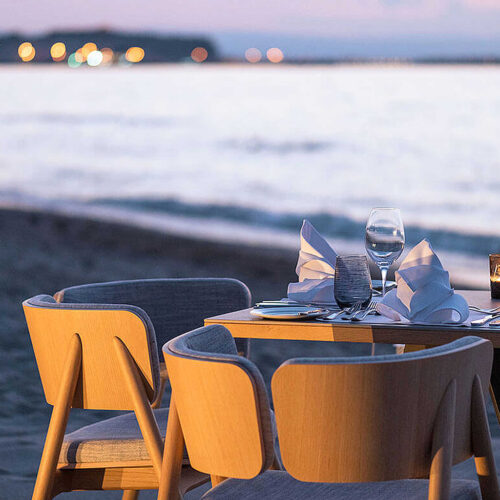
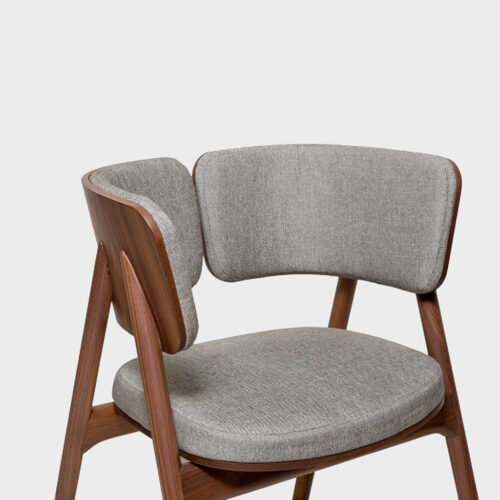
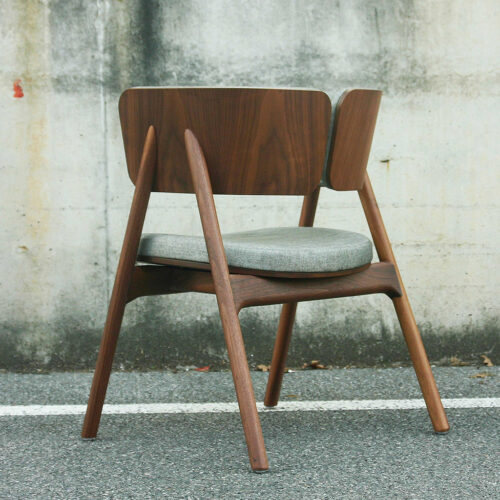
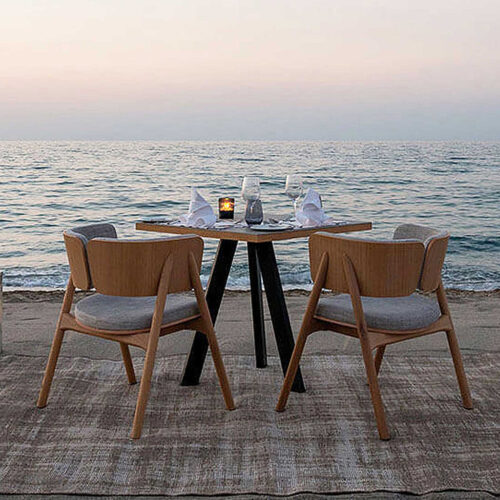
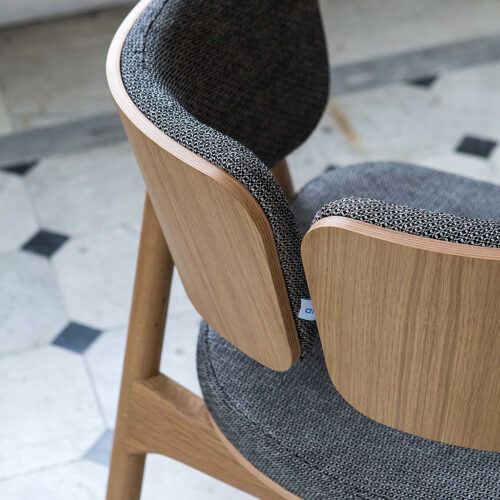
In balance between contemporary and primitive, Wood.oo chair keeps the comfort of an armchair and the look of a wooden chair, exploring with shapes the possibilities given by plywood and CNC technology. As part of a mystical liturgy of nowaday daily life, it asks to be observed and touched within the framework of its living environment’s rituals…

Advanced Concept-Shoe Research Series
AI-augmented concepts and design processes research at the University of the Aegean
Explore the concepts
Computational Footwear — Data-Driven Concept Design for a New Product Ecology
A design research and a dataset of concepts to support distributed shoes systems

This collection of concept shoes — developed for both everyday wear and trekking contexts — originates from a broader research programme on data-driven design processes and distributed manufacturing systems. The work applies text mining, image analysis and AI-assisted form generation to define a new stylistic vocabulary for Generation Z, positioning footwear as an interface between cultural trends, material experimentation and parametric aesthetics.
The methodology begins with an extensive corpus analysis: hundreds of product references, trend documents, market images and semiotic cues were processed to extract underlying formal grammars, behavioural expectations and symbolic patterns. The system integrates target-oriented data analysis with AI-based generative synthesis, producing hundreds of candidate concepts that were subsequently narrowed down through computational filtering and selection criteria. Instead of relying on intuition alone, the workflow combines human intention with algorithmic evidence, allowing design directions to emerge from measurable signals rather than speculation.


This approach is aligned with the research conducted at the University of the Aegean, where the focus is on understanding how data-driven and AI-augmented methods are redefining not only the aesthetics of products, but the entire structure of design processes — from ideation and iteration to manufacturing strategy. The project also addresses the role of footwear as a distributed design category: a typology that can benefit from networked forms of production, local adaptation and parametric variation, supporting a post-industrial model of fabrication closer to ecosystems than to factories.
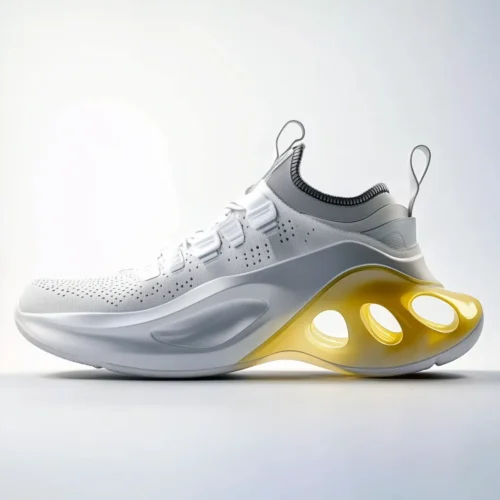
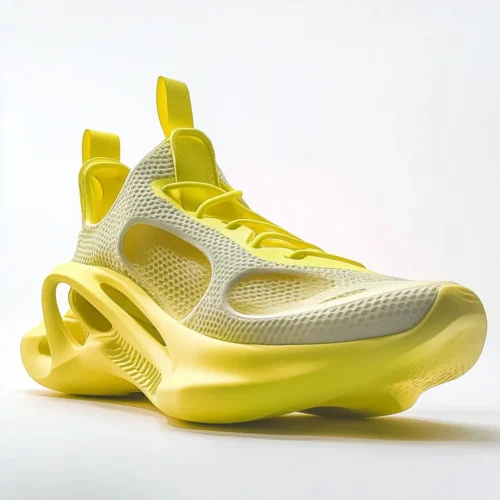
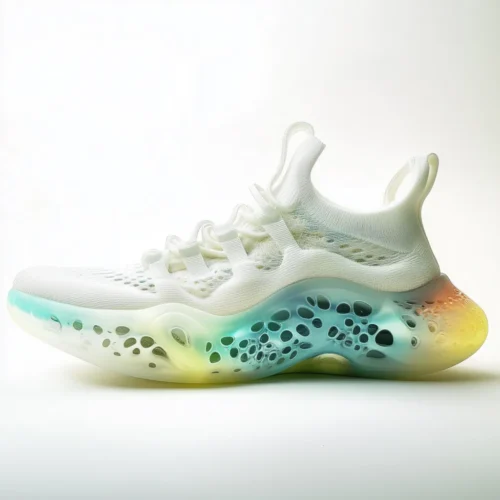
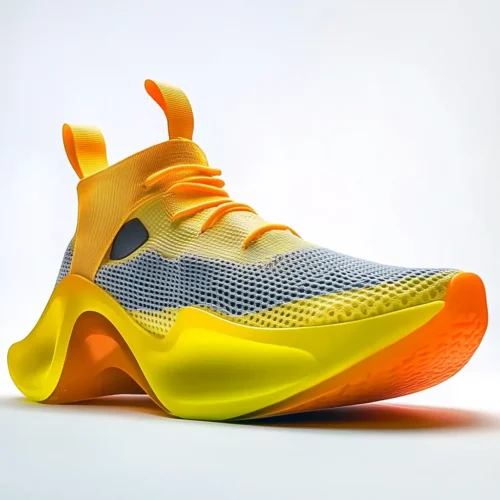
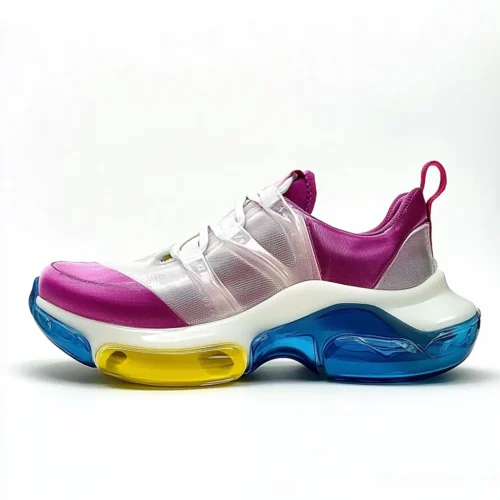
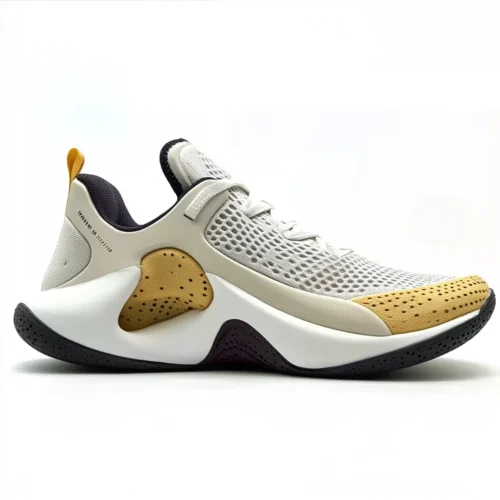
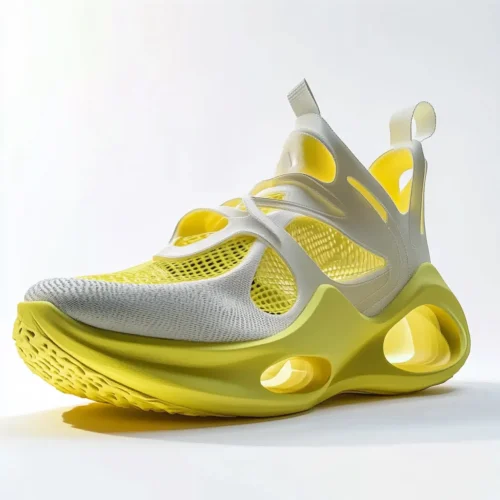
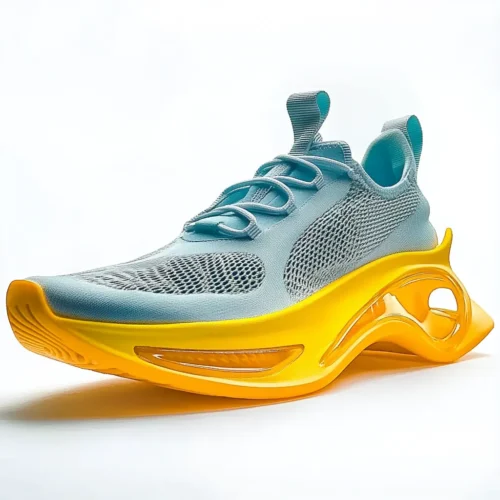
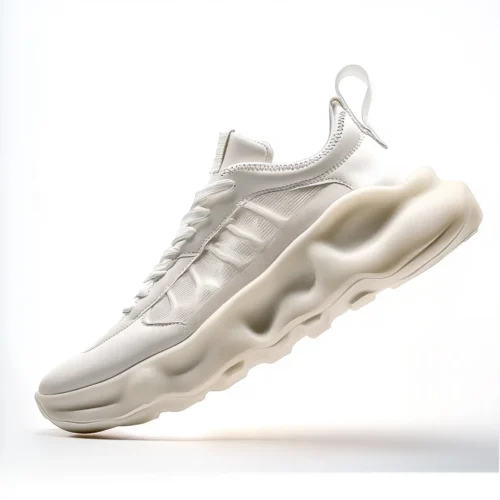
Within this framework, the research has generated three distinct families of concepts, each exploring a different articulation of form and material logic. The StoneBones series translates the morphologies of stone and bone into highly sculptural running shoes, where parametric curvature and mineral porosity become structural language rather than surface decoration. ColorHoles, by contrast, focuses on everyday wear: lightweight sneakers defined by organic perforations and Voronoi-like voids, where negative space acts both as an ergonomic device and as a playful stylistic signature.
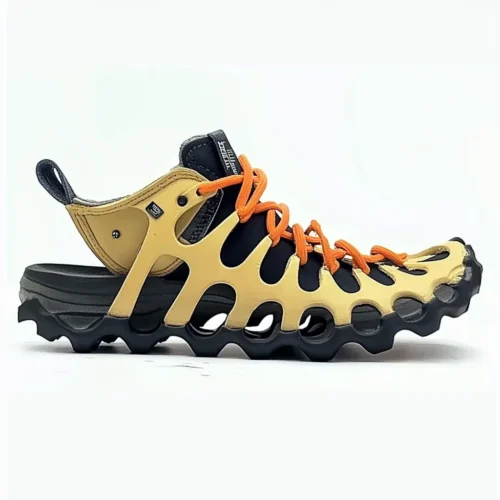
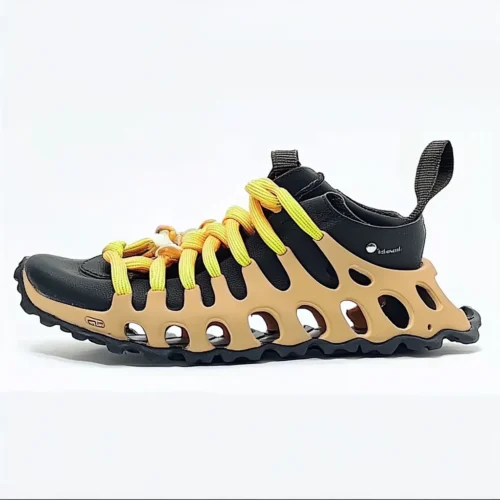
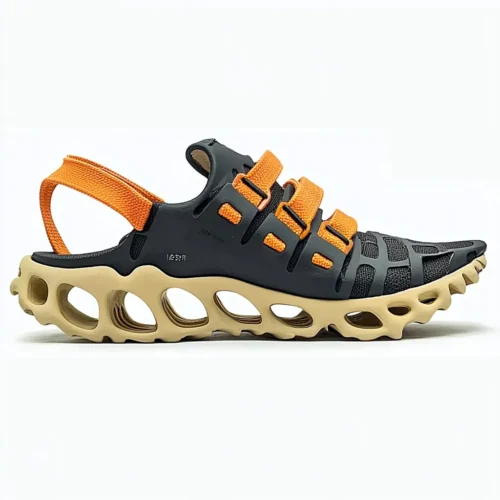
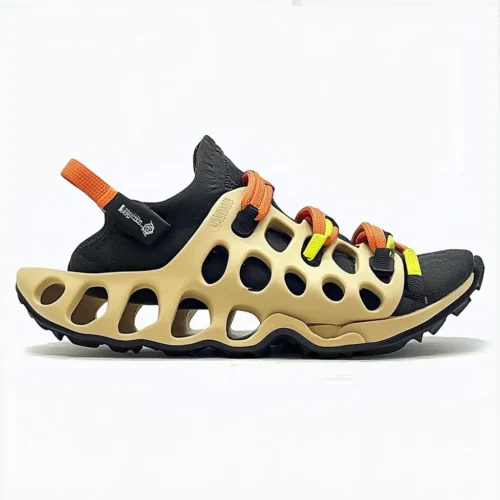
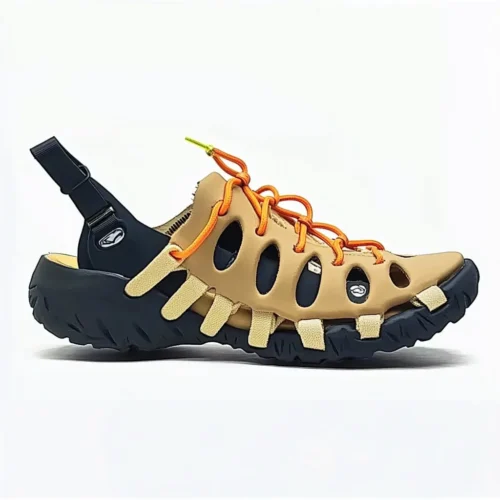

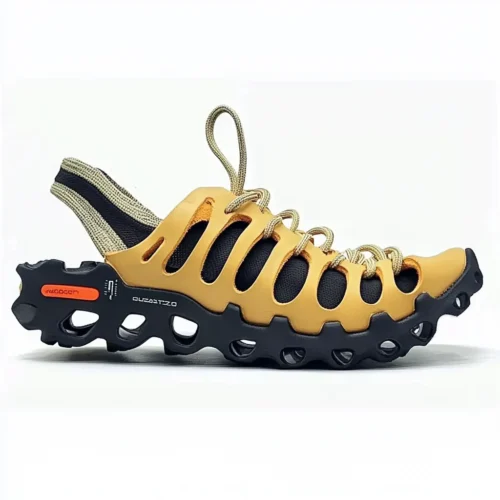

Completing the set, Trekker introduces a collection of trekking shoes and short boots that hybridise multiple outdoor typologies, replacing mass with layered structural thinking to achieve protection, agility and adaptability in a single configuration.
Together, these collections illustrate how footwear design can evolve beyond stylistic interpretation into computational authorship, where the combination of design intelligence and machine-generated inference leads to new typologies that do not simply mimic nature or trend cycles, but derive from structured information flows. The result is a vocabulary of forms that is both contemporary and adaptive — conceived not as a final product, but as a platform for future manufacturing possibilities.

Infinit.oo Knife
Damask-steel art-knife. First prize, Craft Design Award CNA Bergamo
Text
Knife in Damask Steel
For Forgiapizzi


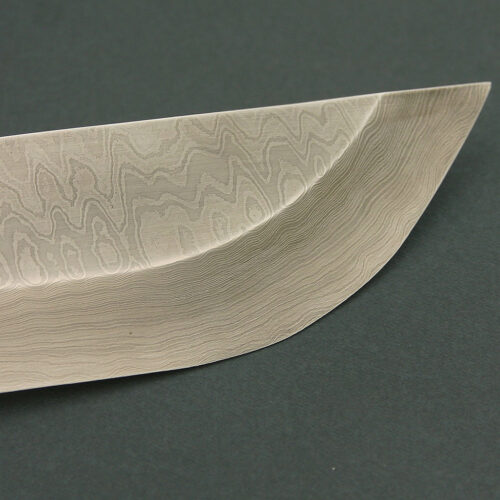

Infinit.oo knife won the “Artigianato e Design” contest, held in 2017, with Riccardo Blumer chairman of the jury. The competition has been organized by the CNA of Bergamo in collaboration with master Luca Pizzi, owner of Forgiapizzi, one of the very few craftsmen in Europe able to manually create stainless damask steel.
The design takes inspiration from the infinity symbol and offers a continuous surface for the application of the characteristic textures of this ancient steel manufacturing technique.

Wood-oo Tables
for Al2
Unveil
Geometric branches and roots
Bent plywood + bent metal tubing + solid wood or marble top.
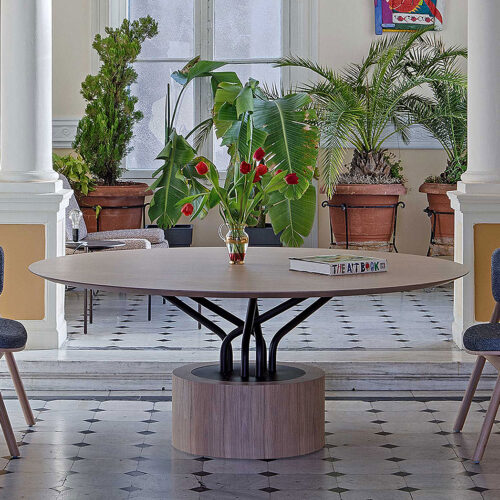
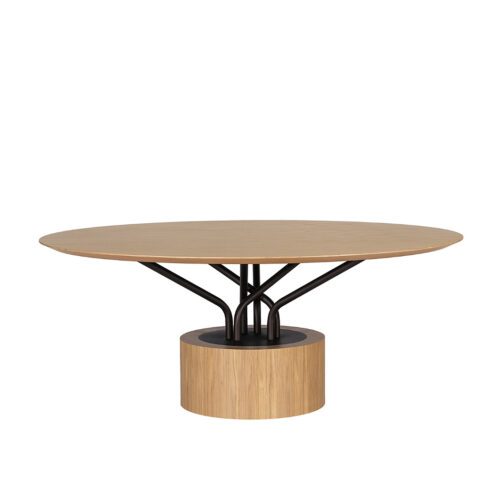
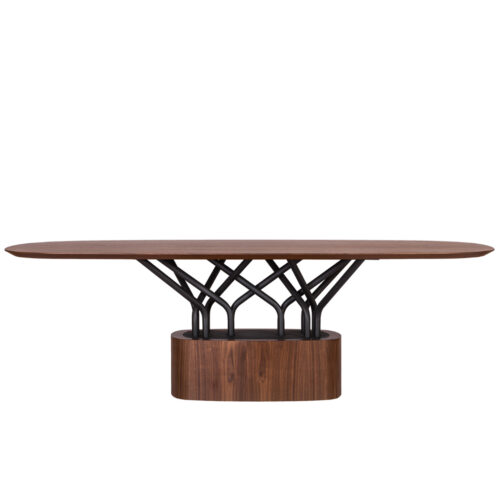
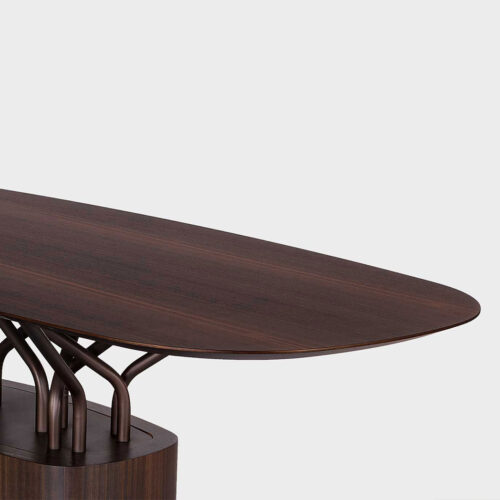
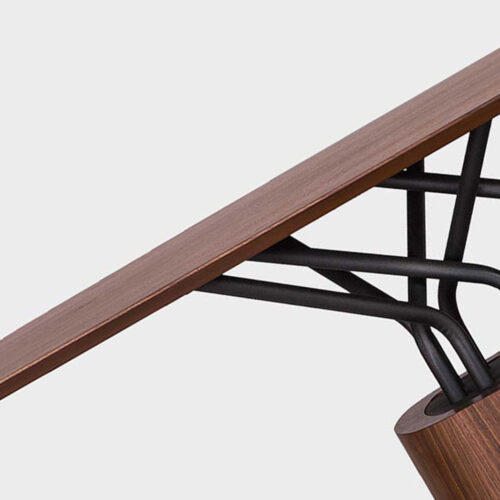
“In the center of the world there is a tree. Planted with roots in the heart of the Earth. And the branches toward the sky. A link between what is deep and what is harmony, between labyrinth and geometry, between what is mother and what is father”…
Fujian Bamboo Institute — permanent collection
From craft to industry: bamboo techniques translated into design products
Exploration
Showcasing advanced and traditional bamboo fabrication methods
Fujian Bamboo Institute
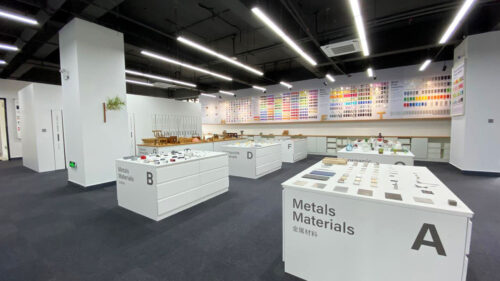
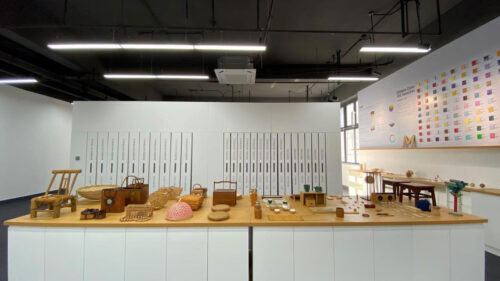
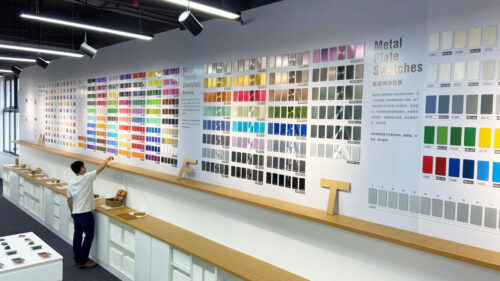
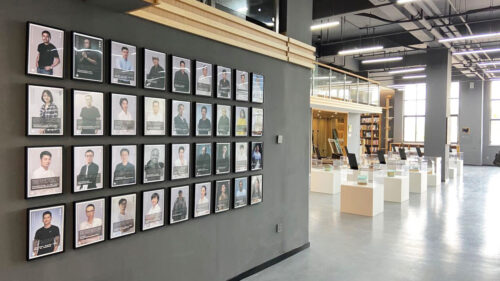
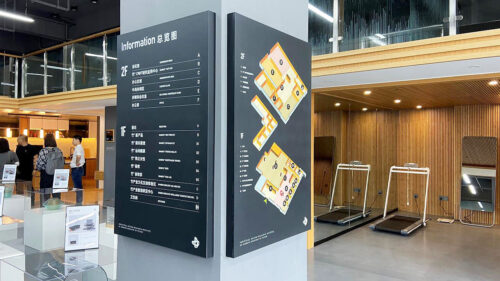
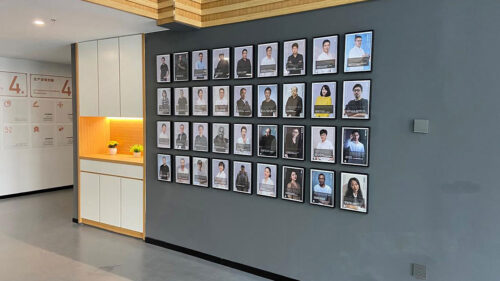

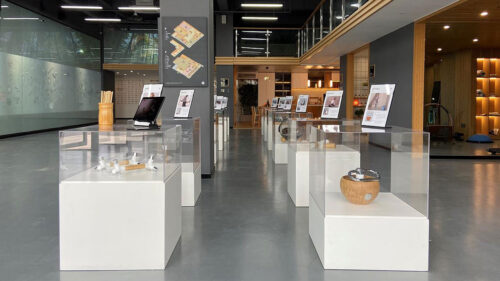
The permanent exhibition at the Fujian Bamboo Institute presents the outcome of an ongoing collaboration between Ate Rote and Artop Design, exploring bamboo as a technological material rather than a merely traditional one. Within this context, Ate Rote developed a series of product concepts that translate research in material culture into tangible object typologies, while Artop engineered and manufactured the prototypes through an integrated industrial process.

Bamboo Dumbbells

Bamboo bowl-scales for pet food
The Fujian Bamboo Institute functions as a living archive of bamboo intelligence, where fabrication methods are exhibited along a continuum: from ancestral weaving and steam-bending practices to CNC machining, lamination, hybrid stamping and composite techniques. Visitors move through a pedagogical sequence that connects raw fibres to advanced structural assemblies, understanding bamboo not only as a resource but as an evolving platform of fabrication logics.

Portable pet food bowl container

Bamboo gun massager for fitness
The prototypes on display demonstrate how contemporary product design can interface with these techniques to generate new applications. Several of the pieces — originally prototyped for the Shenzhen Design Week — are shown here alongside additional works developed specifically for the Institute, with a focus on fitness and pet-related products. These objects combine bamboo with recycled plastics and metal inserts, using forms that are intentionally minimal yet structurally expressive. Volumes are developed through cylindrical and spherical geometries to emphasise continuity, tactility and clarity of composition.

Litter Box

Bamboo Kettlebell
A key design principle in the collection is Design for Disassembly: no screws or permanent fixings are used, and every joint is engineered as a reversible connection. This allows the objects to be disassembled, repaired or recycled with zero destructive processes — demonstrating a blueprint for circular manufacturing that does not rely on complex infrastructures.
A selection of prototypes is presented in the exhibition, including a modular three-arm dumbbell, a kettlebell assembled through screw-less interlocking, a family of minimal, metaphysical-style portable bowls and containers, and a disassemblable cat hammock based on a tension-structure joint with no hardware. Each piece demonstrates how bamboo can be translated into contemporary product forms while retaining reparability, reversibility and material clarity.

First set of designed bamboo products
The exhibition is organised through interactive and didactic pathways, where techniques, tooling processes and tactile samples are presented alongside the finished artefacts. Rather than isolating the product from its fabrication origin, the Institute stages the complete narrative: material extraction, transformation logic, constructive syntax and final use scenario all coexist within the same spatial experience.

Bamboo ammock, detail of the joint

Bamboo Kettlebell, details
This permanent display also forms part of a broader regional development strategy by the Fujian province, aimed at reinforcing bamboo as a competitive industrial resource for large-scale consumer markets. The programme supports the advancement of bamboo-based products across multiple sectors — including fitness, furniture, pet-care, hotel toiletries, tourism souvenirs and interior applications — promoting a fully integrated supply chain in which research, design and manufacturing operate in synergy to generate new economic and cultural value.

Bamboo Dumbbell
Bamboo fitness modular dumbbell
Unfold
Concept Design and product manufacturing for Fitness Tools
Bamboo CNC + aluminium casting + metal CNC


“Bamboo Dumbbell” is part of the project “Bamboo Fitness Serie” designed for the Fujian Bamboo Research Institute. The complete serie has been developed in collaboration with Artop-Shenzen which engineered and manufactured the prototypes. The has led to the exhibition at the Shenzen Design Week 2023.
“Bamboo dumbbell” with its atypical configuration, allows user to modularly add screwed weights, in order to vary training programs.

# Bamboo Gun-Massager
Crossover bamboo Gun-Massager for Fitness
Details
Concept Design and product manufacturing for Fitness Tools
Bamboo CNC + injection-moulded plastic + electric & mechanical components


“Bamboo Gun-Massager” is part of the project “Bamboo Fitness Serie” designed by Ate Rote for the Fujian Bamboo Research Institute. The complete serie has been developed in collaboration with Artop-Shenzen which engineered and manufactured the prototypes. The has led to the exhibition at the Shenzen Design Week 2023.
“Bamboo Gun-Massager” is designed on the crossover concept and allows the user to create an ergonomic grip during self-massage sessions.

# Bamboo Shovel and Litter+Kennel
Bamboo Pet Tools
Text
Bamboo CNC + injection-moulded plastic + thermoformed plastic


“Bamboo Shovel and Litter+Kennel” are part of the project “Bamboo Pet Serie” designed by Ate Rote for the Fujian Bamboo Research Institute. The complete serie has been developed in collaboration with Artop-Shenzen which engineered and manufactured the prototypes. The has led to the exhibition at the Shenzen Design Week 2023.
The shovel can be folded through an ingenious detail. This litter box is completely disassembled and can alternatively be used as a kennel by inserting a cushion.

# Bamboo Kettlebell
Bamboo screwless-joint Kettlebell for Fitness
Details
Concept Design and product manufacturing for Fitness Tools
Bamboo CNC + cast iron + metal CNC + metal tubing


“Bamboo Kettlebell” is part of the project “Bamboo Fitness Serie” designed by Ate Rote for the Fujian Bamboo Research Institute. The complete serie has been developed in collaboration with Artop-Shenzen which engineered and manufactured the prototypes. The has led to the exhibition at the Shenzen Design Week 2023.
“Bamboo Kettlebell” is designed on the basis of a simple contact-screwless-joint-system which makes the structure isostatic and the object completely disassemblable.

# Toiletries and Souvenirs_hotel chains in Fujian Province – China
For Artop
Text
Concept Design and Product Manufacturing


“Bamboo Shovel and Litter+Kennel” are part of the project “Bamboo Pet Serie” designed by Ate Rote for the Fujian Bamboo Research Institute. The complete serie has been developed in collaboration with Artop-Shenzen which engineered and manufactured the prototypes. The has led to the exhibition at the Shenzen Design Week 2023.
The shovel can be folded through an ingenious detail. This litter box is completely disassembled and can alternatively be used as a kennel by inserting a cushion.

# Bamboo Pet Food Containers + Bowls
A modular, economical and transportable system of bamboo containers+bowls
Details
Concept Design and Product Manufacturing for Pet Tools
Bamboo CNC + injection-moulded recycled plastic


“Bamboo Pet Food Containers+Bowls” are part of the project “Bamboo Pet Serie” designed by Ate Rote for the Fujian Bamboo Research Institute. The complete serie has been developed in collaboration with Artop-Shenzen which engineered and manufactured the prototypes. The has led to the exhibition at the Shenzen Design Week 2023.
These transportable food containers are composed of modular functional parts (containers and bowls) made of bamboo and recycled plastic.

# Wood-oo Sideboards
For Al2
Unveil
Wood-oo Sideboards and Lowboards
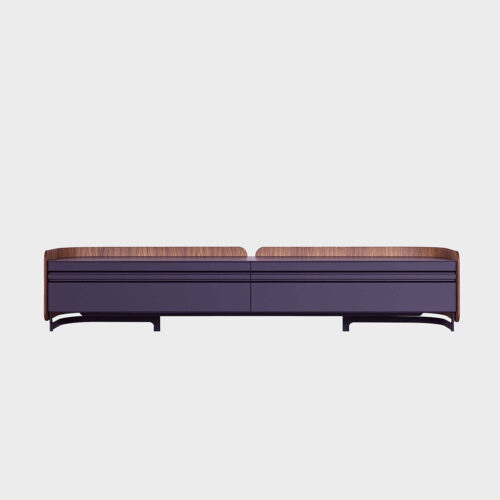
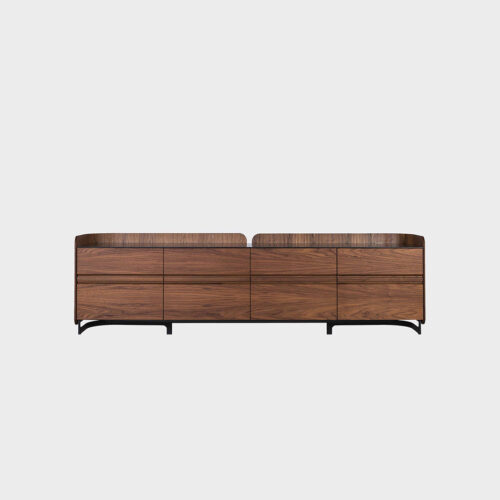


“Two. Two colors. Two wings that contain.Two supports resting on two legs. Two horizontal lines, two recesses, two materials, two doors, two groups of doors, two half-moons, two moments of the day, two heights, two types, two”…

# Wood-oo Bistrot Tables
For Al2
Details
Wood-oo Tables for Horeca Sector
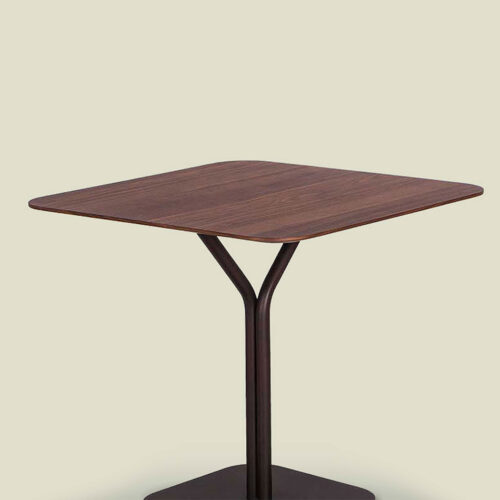
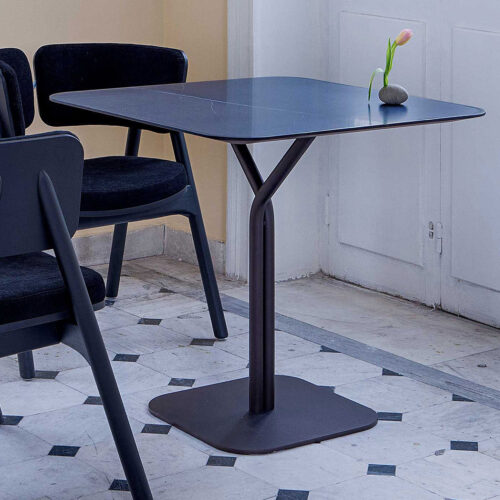
Wood.oo is a bistrot table for horeca sector, composed of a metal base in which two tubes support a double-element wooden top that can be customized with various materials and colors.

# Wood-oo Bookshelves
For Al2
Unveil
Modular Bookshelf System in bent plywood
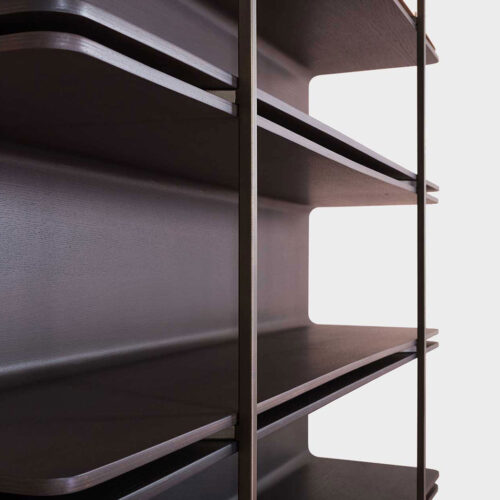
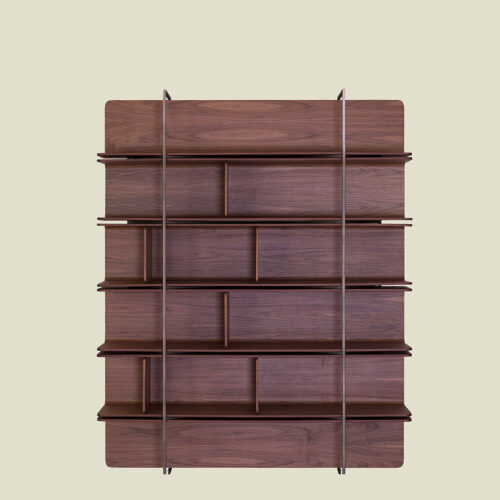

“Take a page from a book. Fold it to form a “C”. Strech it. Repeat the action using five or six other sheets. Stuck orderly and translate them, inventing a tale of bridges and overhangs. Bind them with an iron wire. Fill the result with books.Fill it with stories. Take a day to read what you like. Wood.oo bookcase is finally ready!”
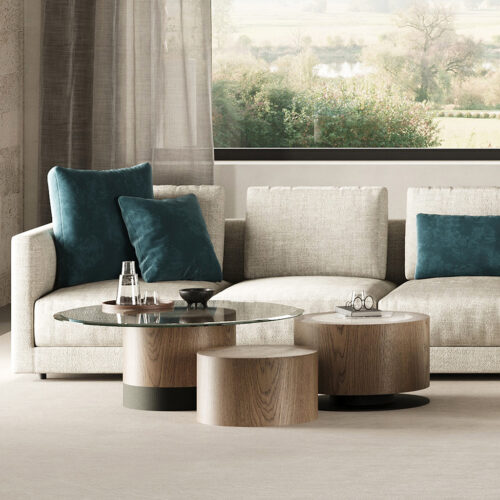
# Wood-moon Coffee Tables
For Al2
Unveil
Coffe Table System

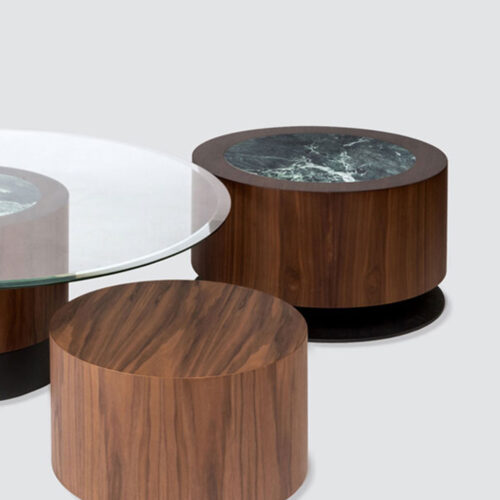
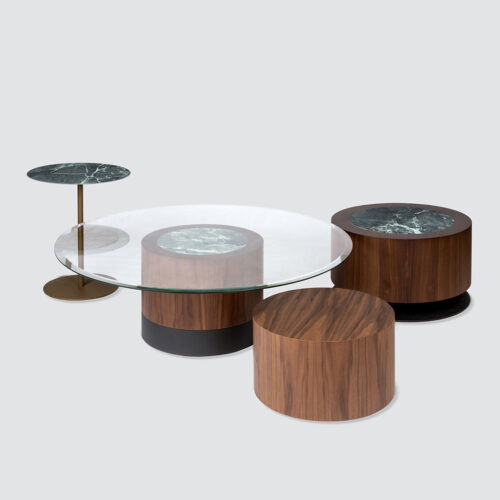
Woo-Moon is the set of coffee tables from the Wood-oo series. Inspired by the shapes of the moon, it is characterized by pure, round shapes that juxtapose different materials.
# PLY — Selected to Represent Italy
Design Without Borders, Budapest, 2019_European Festivals Association (EFA)
Details
“Ply”
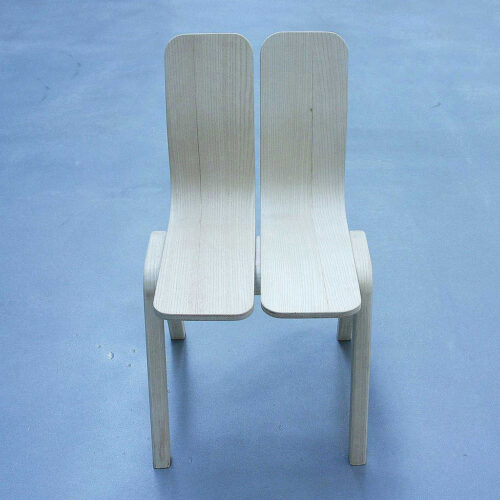
Modular Stackable Seating System
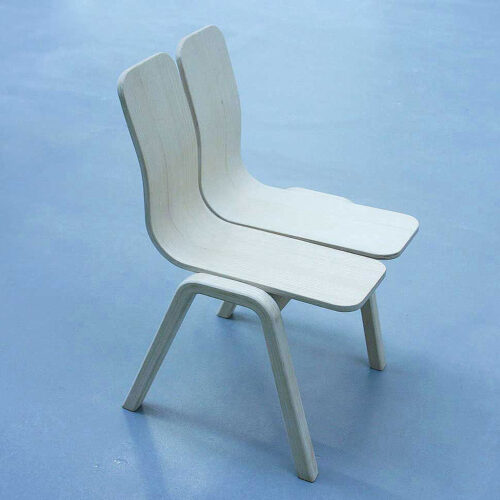
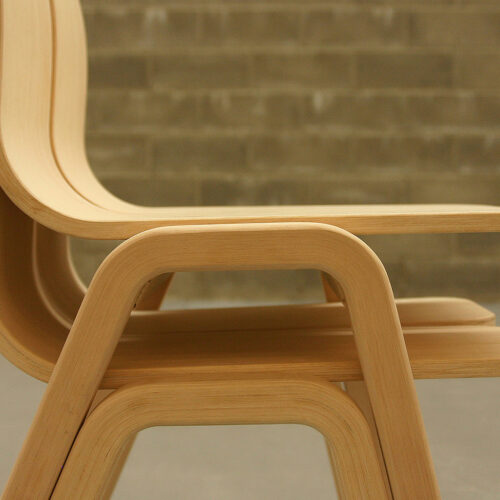
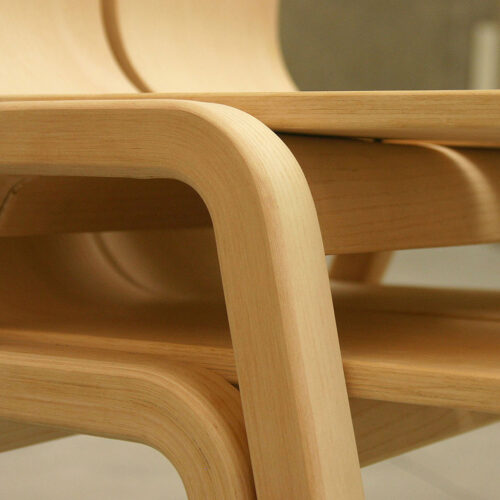
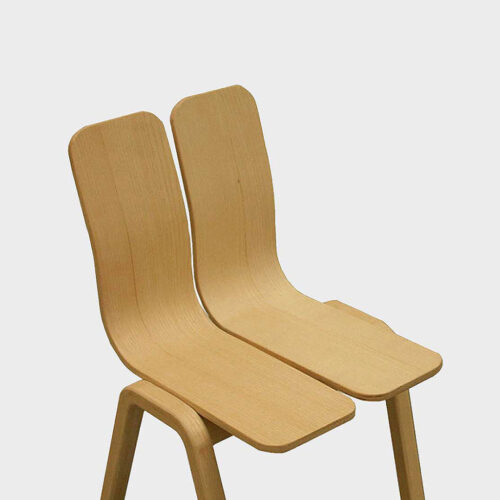
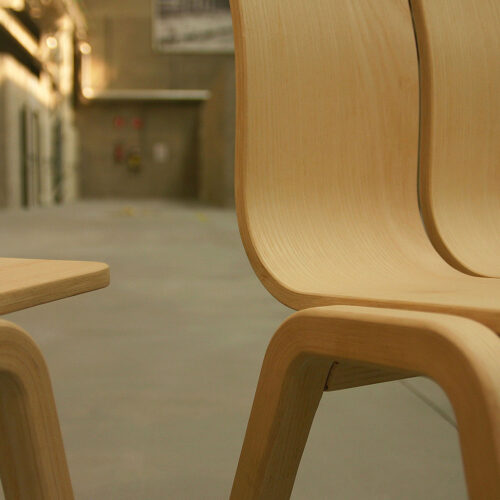
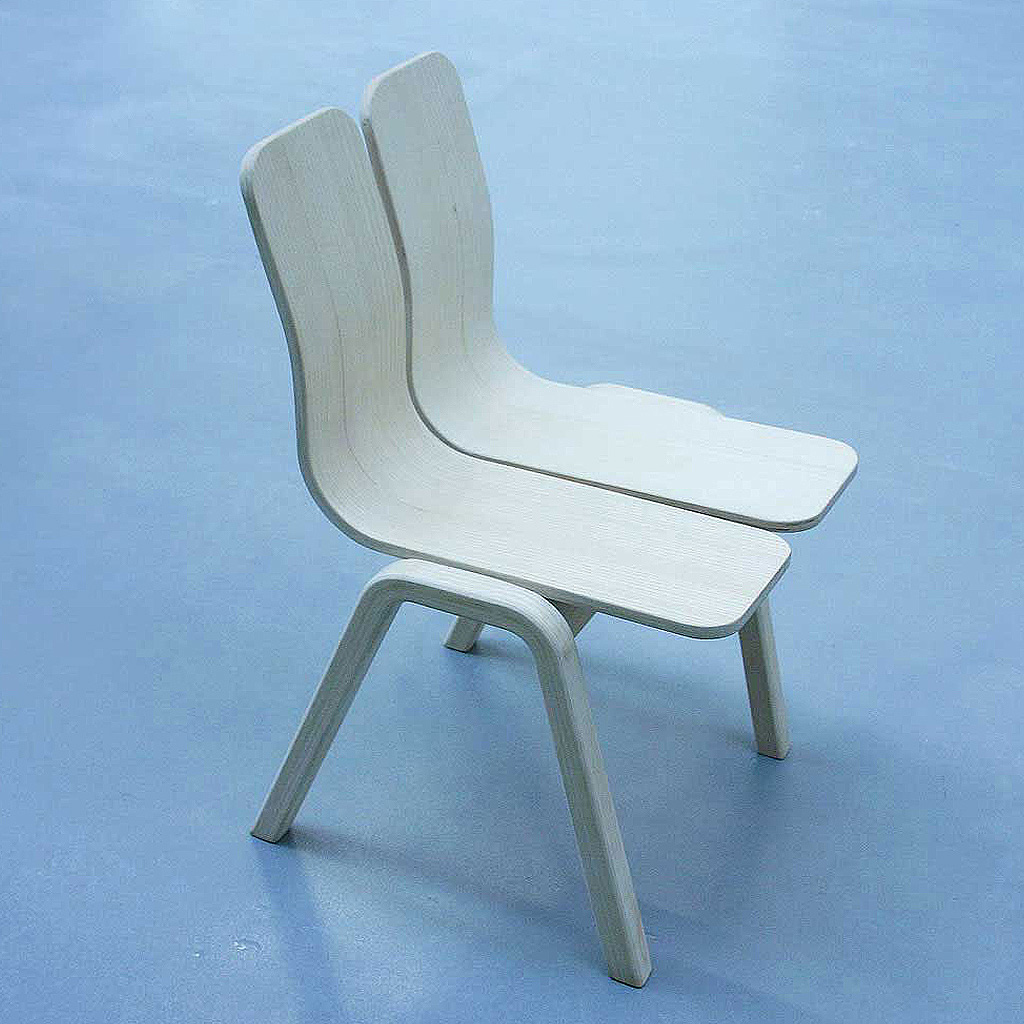
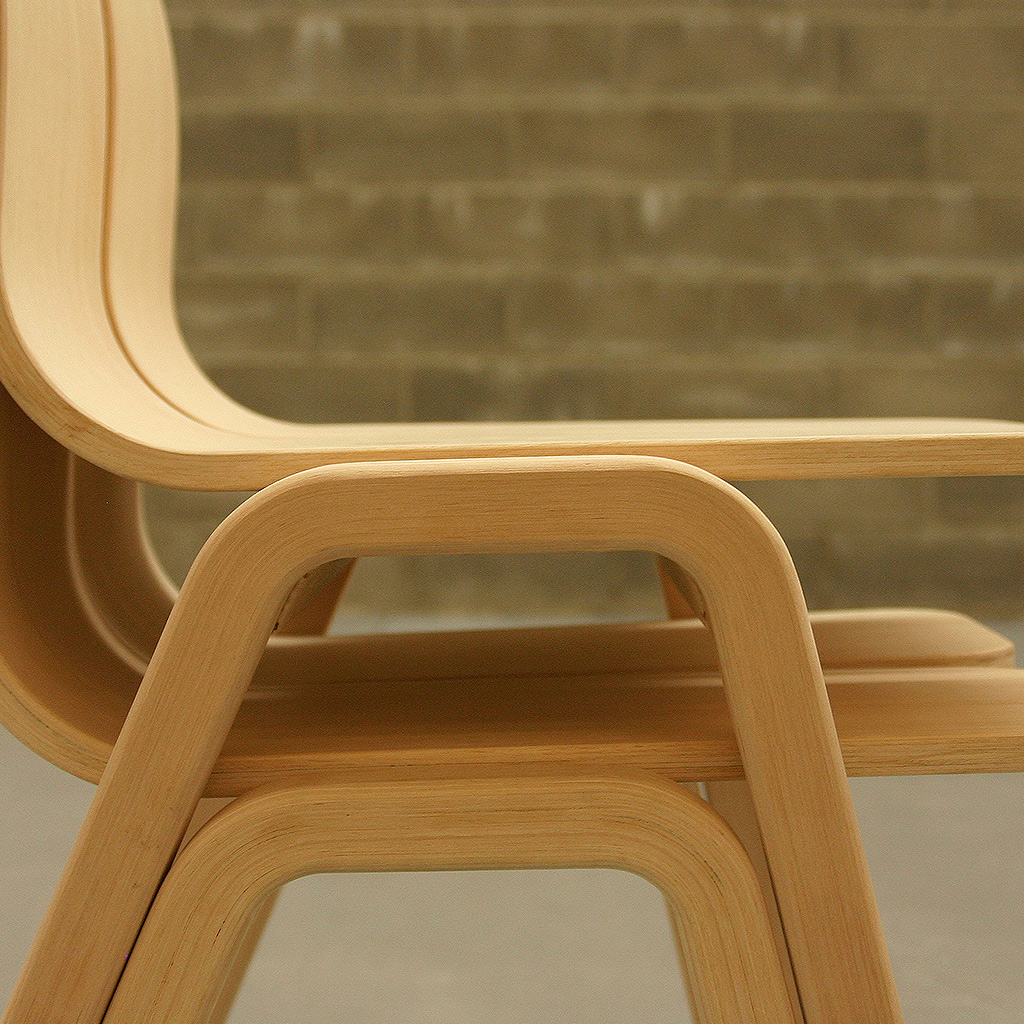
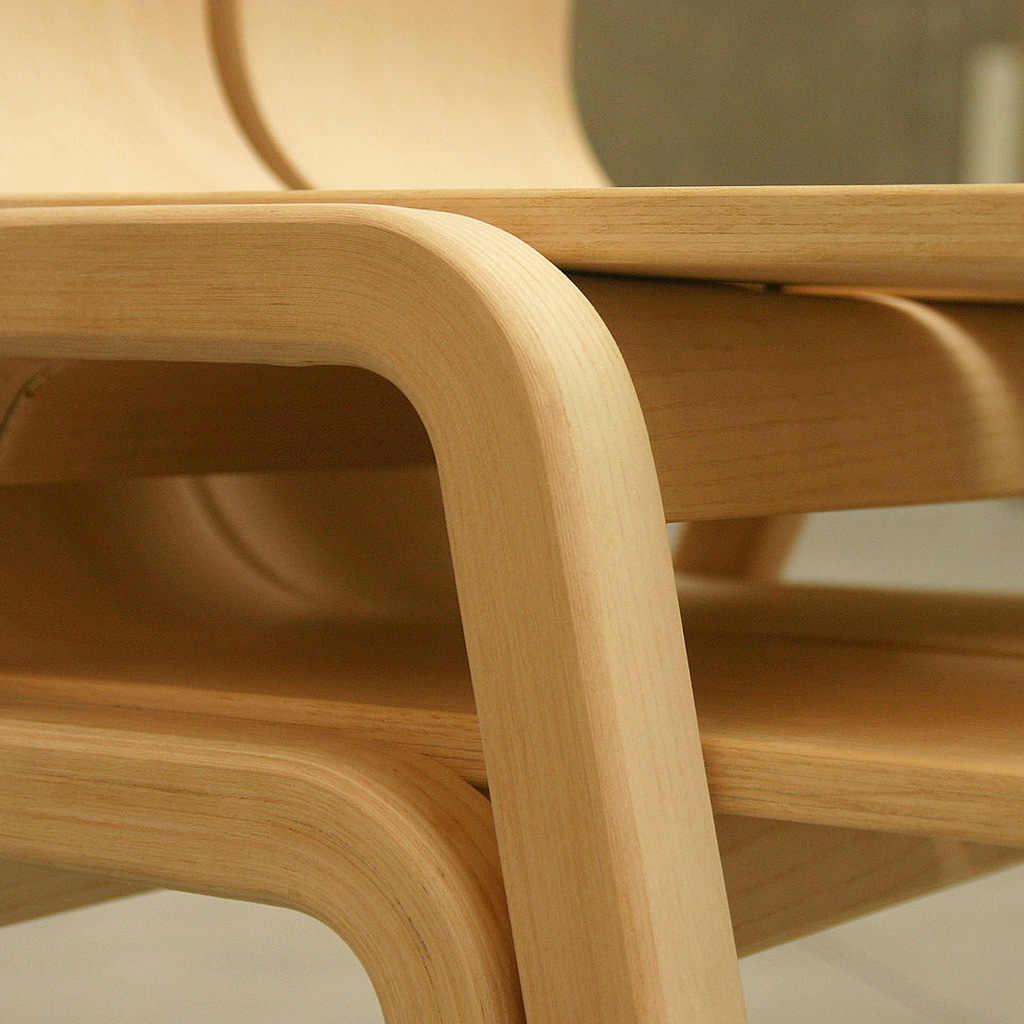
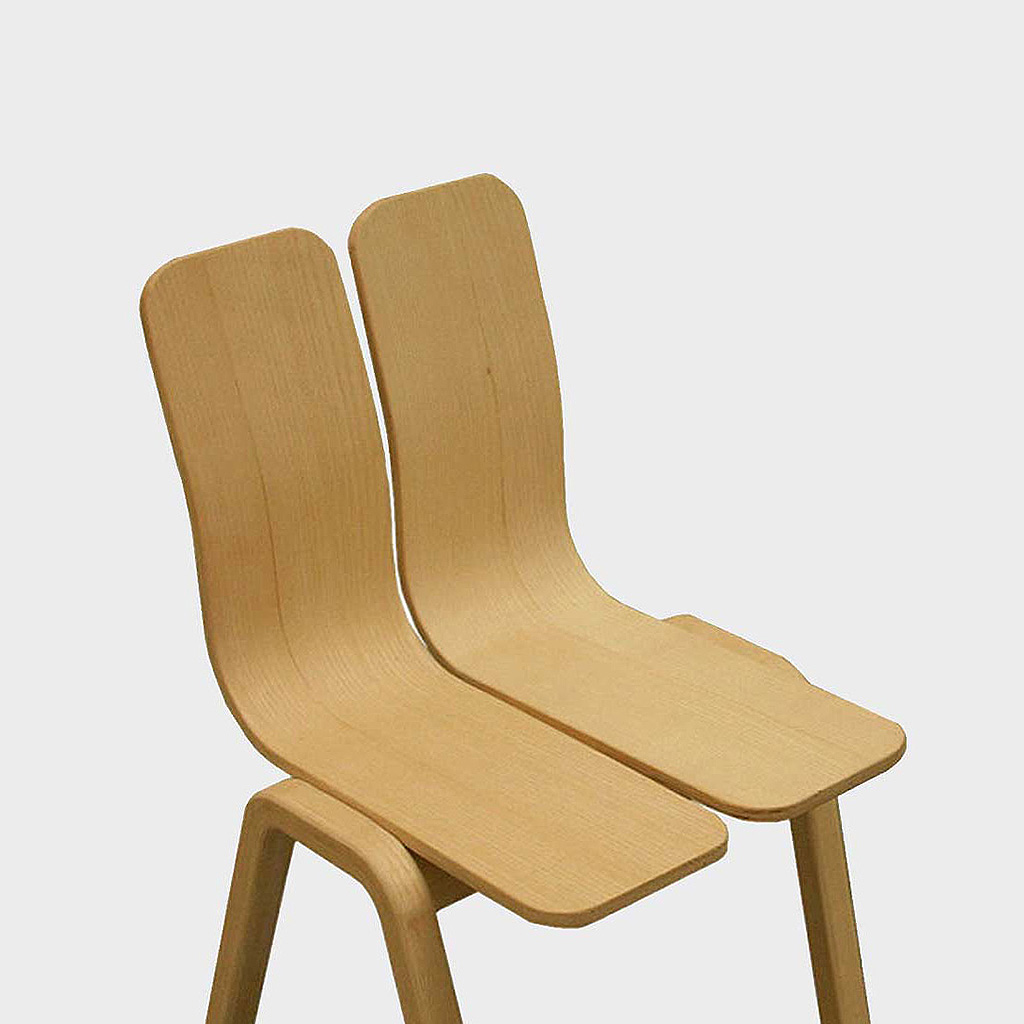
PLY is a modular seating system — a lightweight chair/bench family made from only three cold-bent plywood elements — presented at Design Without Borders in Budapest 2019, where Roberto Rota and Ate Rote had been selected to represent Italy within the framework of the European Festivals Association (EFA).
The project is conceived according to Design-for-Disassembly principles and relies on intelligent jointing rather than hardware, allowing the same three components to be recomposed as either a chair or a bench. The geometry is intentionally minimal, so that construction remains reversible, transport is effortless, and the system can adapt to multiple spatial configurations.

# Tessera Tables
For Al2
Unveil
Tessera Dining Table
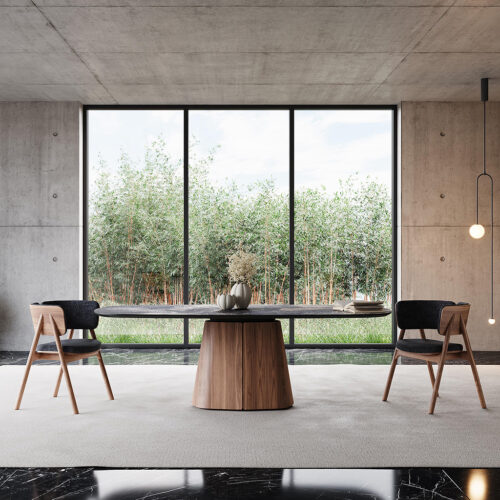
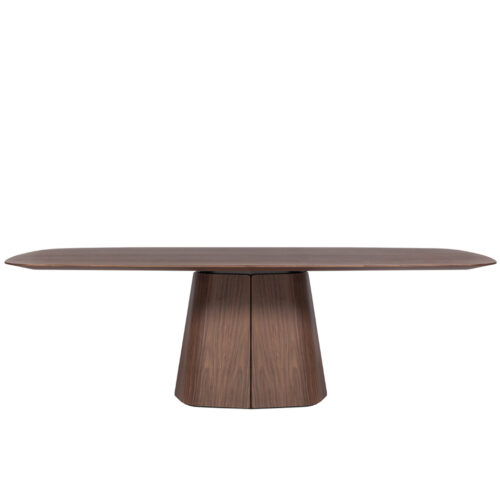
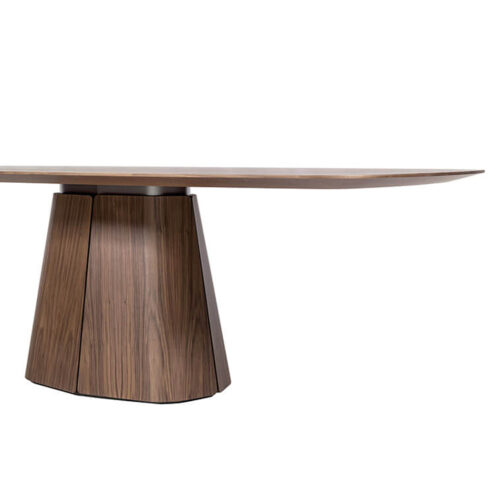
Tessera is a dinner table composed of a central base built on four bent wooden elements. Structural stability and ergonomic measures allow you to comfortably accommodate up to nine people. Presented at the Milan Furniture Fair 2023.

# Kahal Tables
For Al2
Unveil
Kahal Dining Table
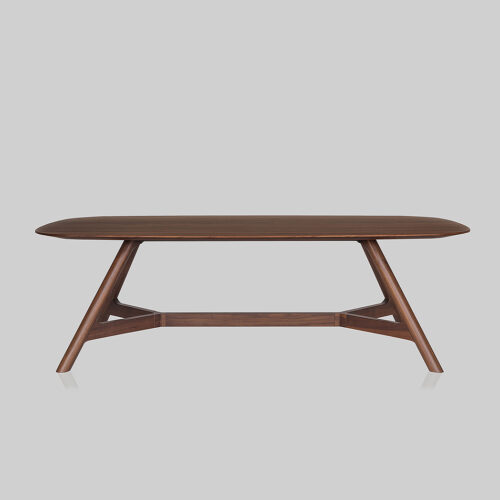
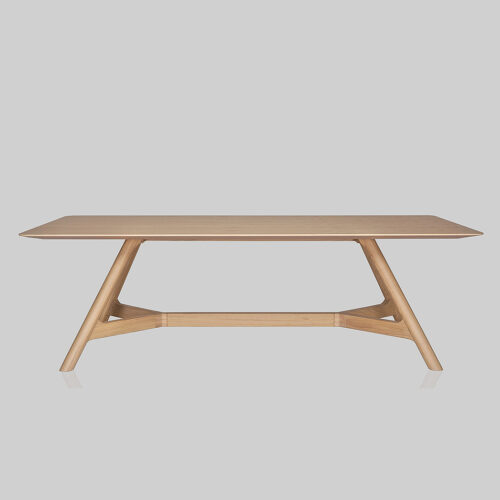
Kahal is a solid wood dining table that plays on the inclinations of the different elements to create joints and details. It is made of different types of wood and three different types of tops.
# Free Cage_Interactive IoT installation
Thessaloniki Design Week
Project insights
Sonic Interactive Morphologies
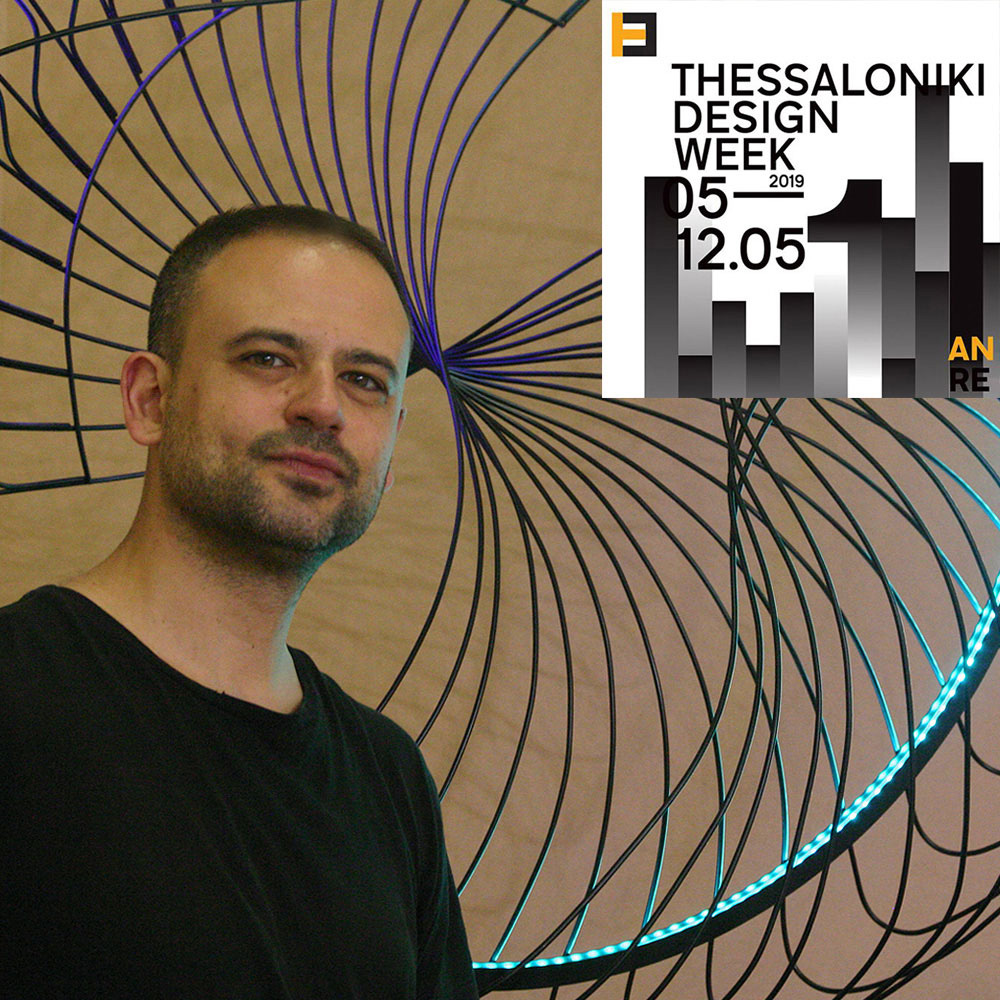
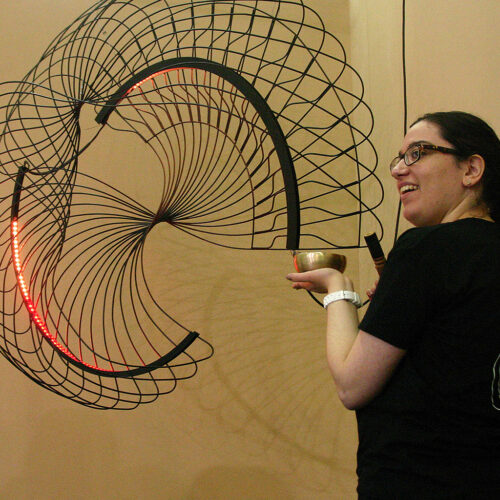
Free cage is an alluminium lamp presented at the Thessaloniki design week 2019. Designed according to harmonic principles, it is an interactive “internet of things” installation, technologically advanced and equipped with sound and position sensors. It changes colors and light intensity according to frequencies and vibration produced by the sound of a tibetan bell.
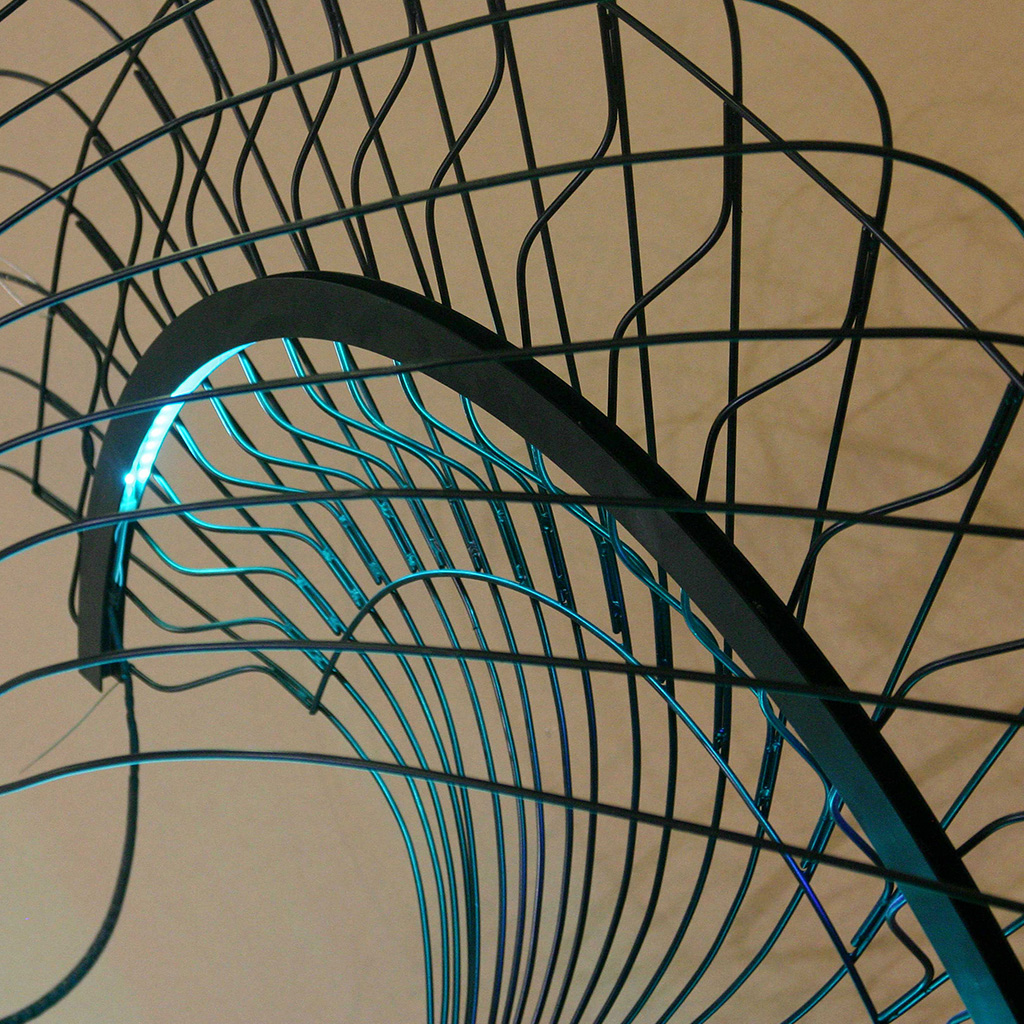
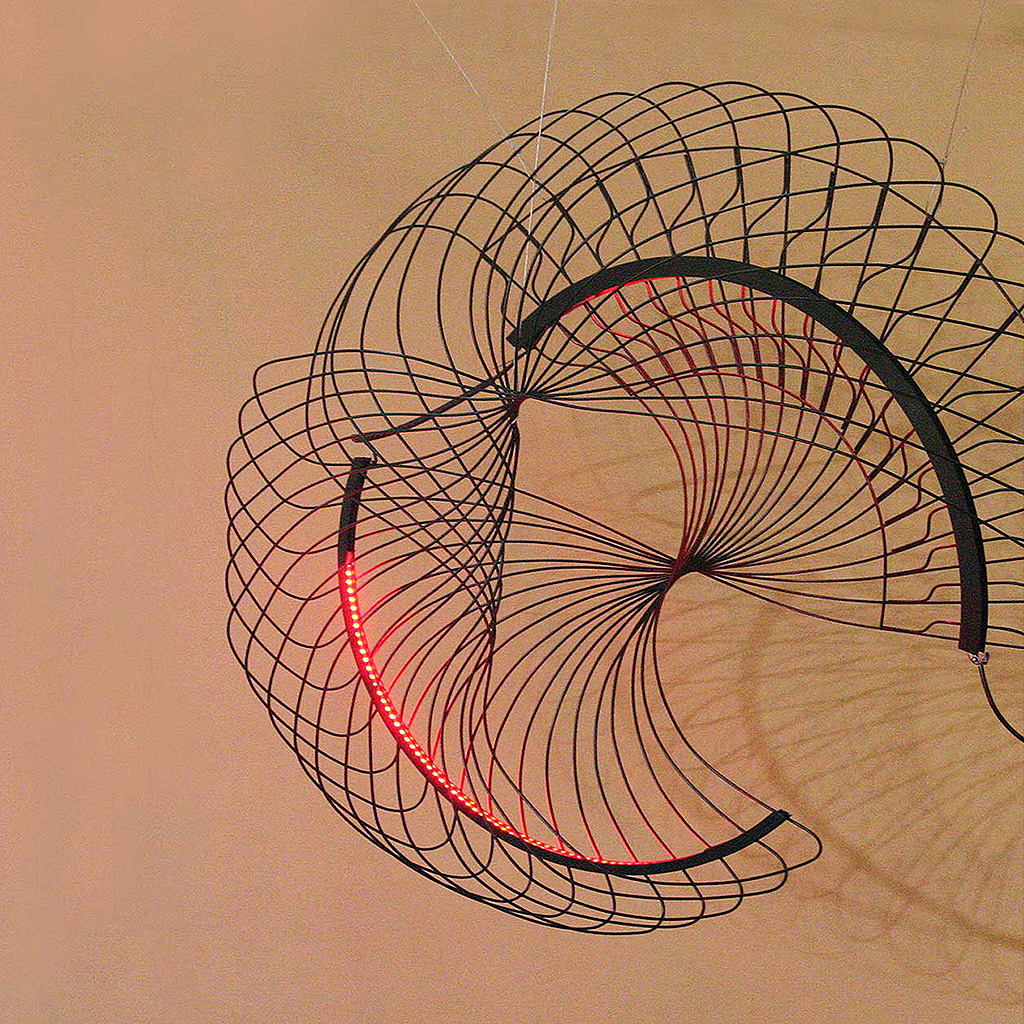
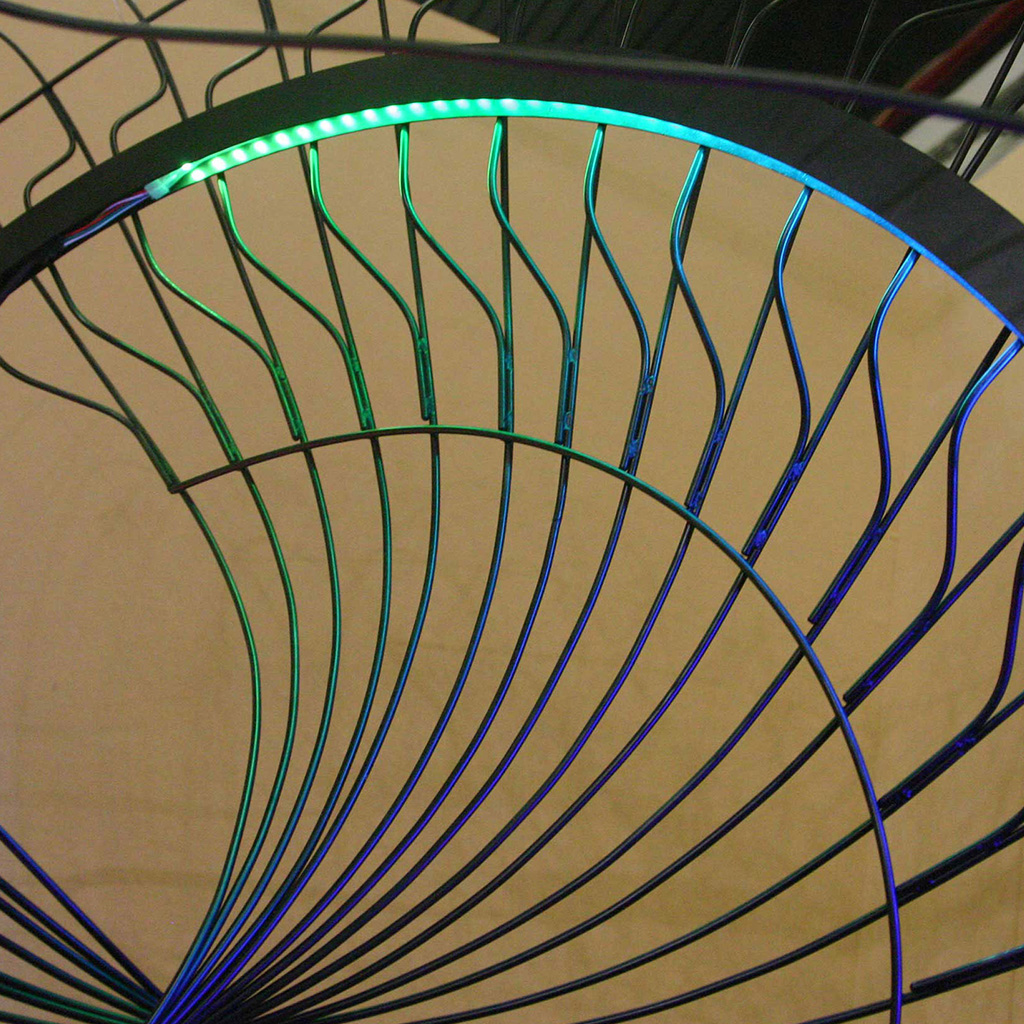
“We, sailors and prisoners, will be increasingly caught up in this vast network of tangible and intangible entities. We will be more and more inside a prison with open cages, and we will be like those birds that no longer flee from their cage even the doors are open.
We will be at the same time both the wolf and the dog of Aesop’s fable, without knowing which of the two identities we will be interpreting with our choices.
Where is freedom? Where is the prison? Where is the matter? Where is transcendence? Which song will we sing? The power or frustration? The escape or the return?”
Roberto Rota
# Prisma Table
Thessaloniki Design Week
Unfold
Details and Optical Illusions
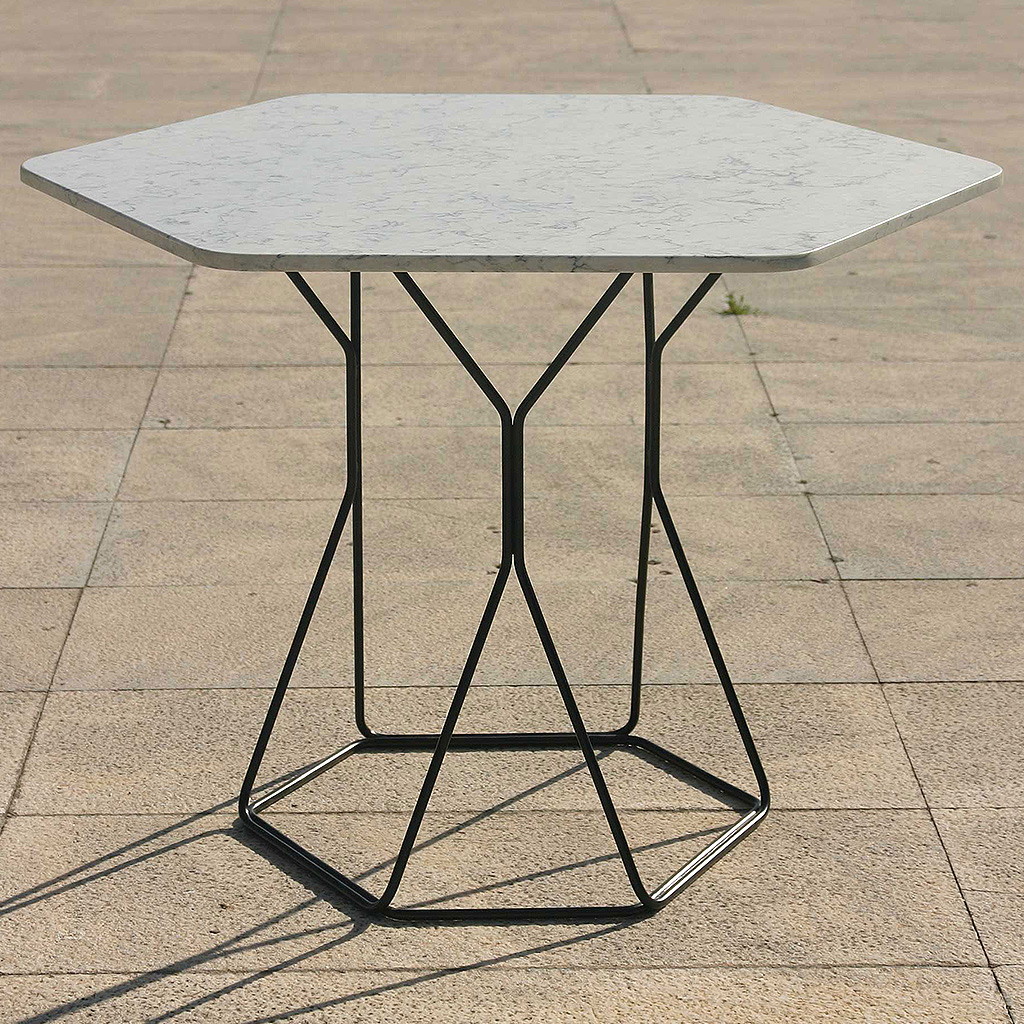
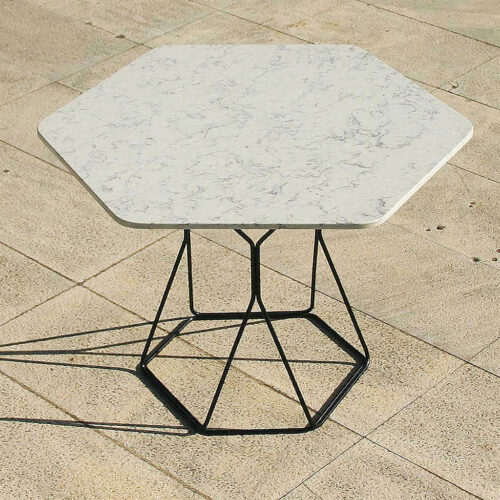
Prisma Table is presented at the Thessaloniki Design Week in 2019 as part of the interactive IoT installation Free Cage. The piece consists of a marble tabletop resting on a bent metal-wire base, whose geometric–parametric structure subtly echoes the stereometric qualities of classical Mediterranean architecture. The form is conceived as an intersection between material weight and visual lightness: a solid stone plane supported by a spatial, almost immaterial lattice.
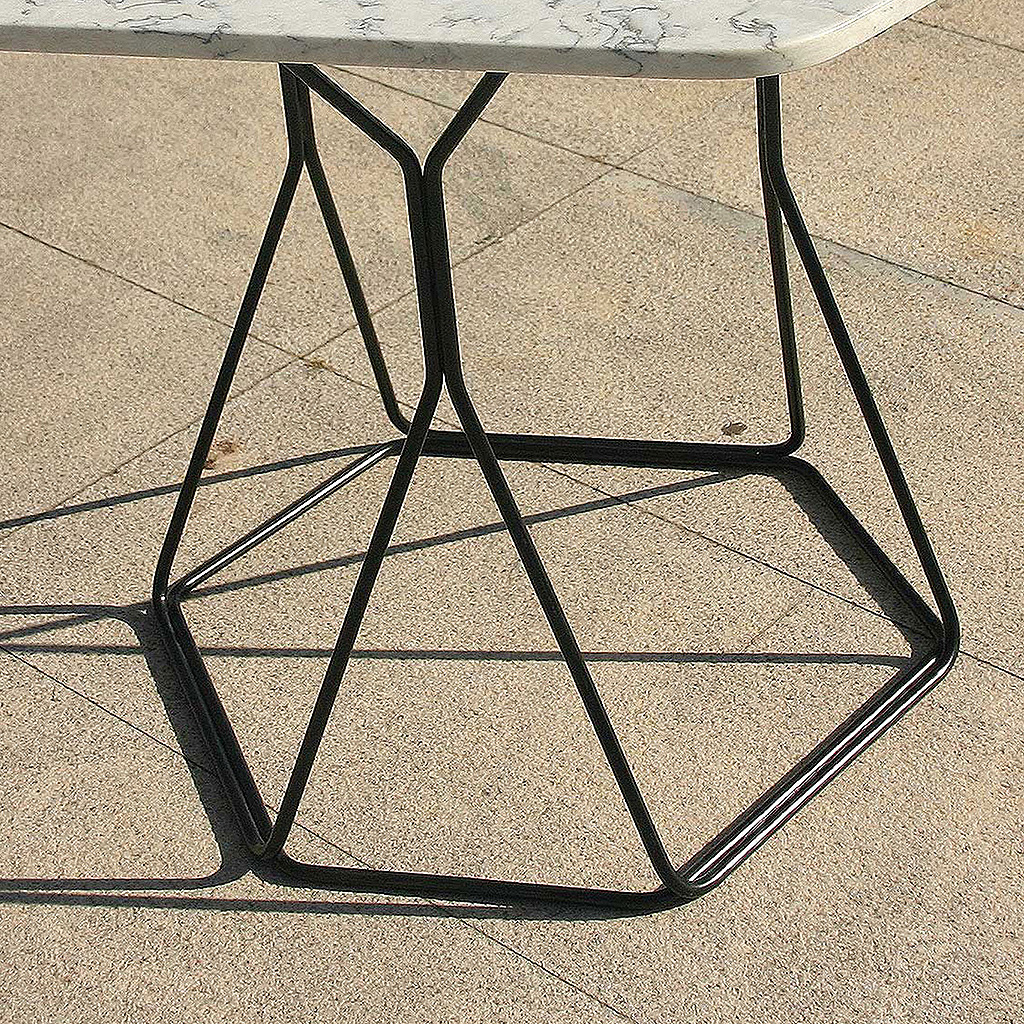
During the installation, a series of sensors integrated beneath the tabletop transformed the piece into an interactive environmental object. As visitors moved around it, the system translated their proximity and shifting positions into a gradual modulation of light, illuminating an overhead lamp in response to their presence. The table thus operated both as furniture and as interface — a structural surface that simultaneously organised space and made visible the relationship between bodies, movement and ambient technology.

# Nihil Sideboards
For Al2
Unveil
Details and Optical Illusions
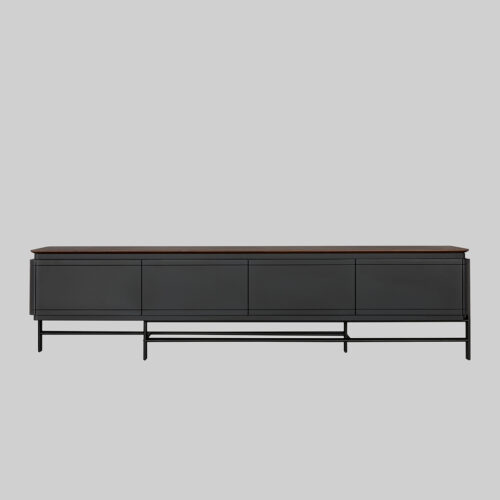
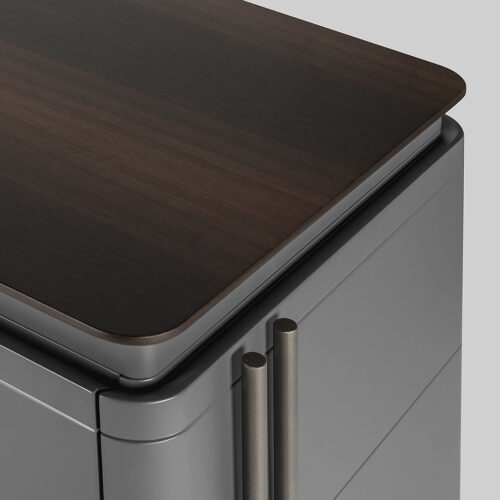
Nihil, from the Latin “nothing” ironically alludes to its opposite. Full of games of staggered planes, CNC excavations in which handles are hidden and optical illusions of staggered metal elements that combine to define a design that is minimal in appearance and articulated in detail.
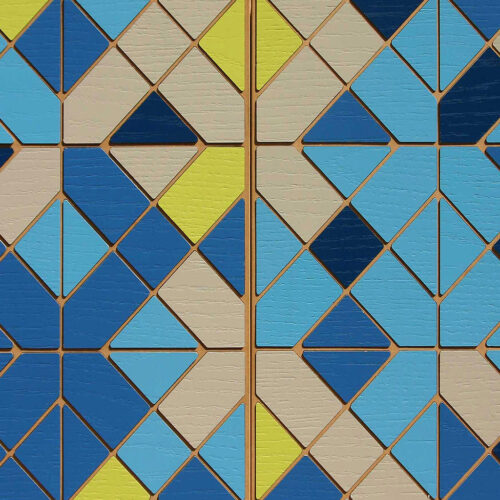
# OPEN PUZZLE — Playful Sound-Absorbing System
Ventura Lambrate, Fuorisalone Milano, 2017
Explore
A reconfigurable sound-absorbing system based on movable magnetic tiles
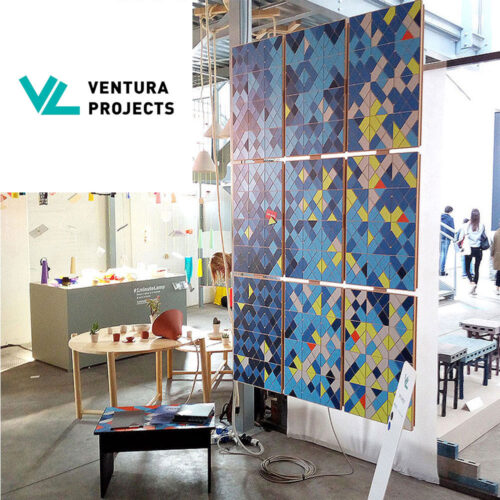
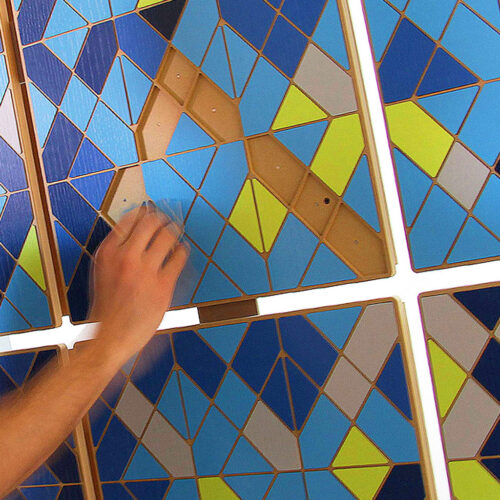
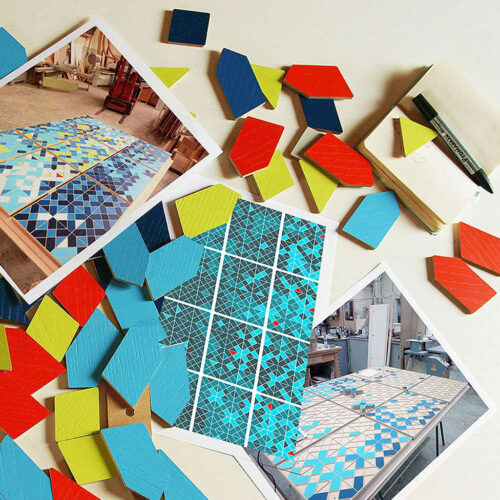




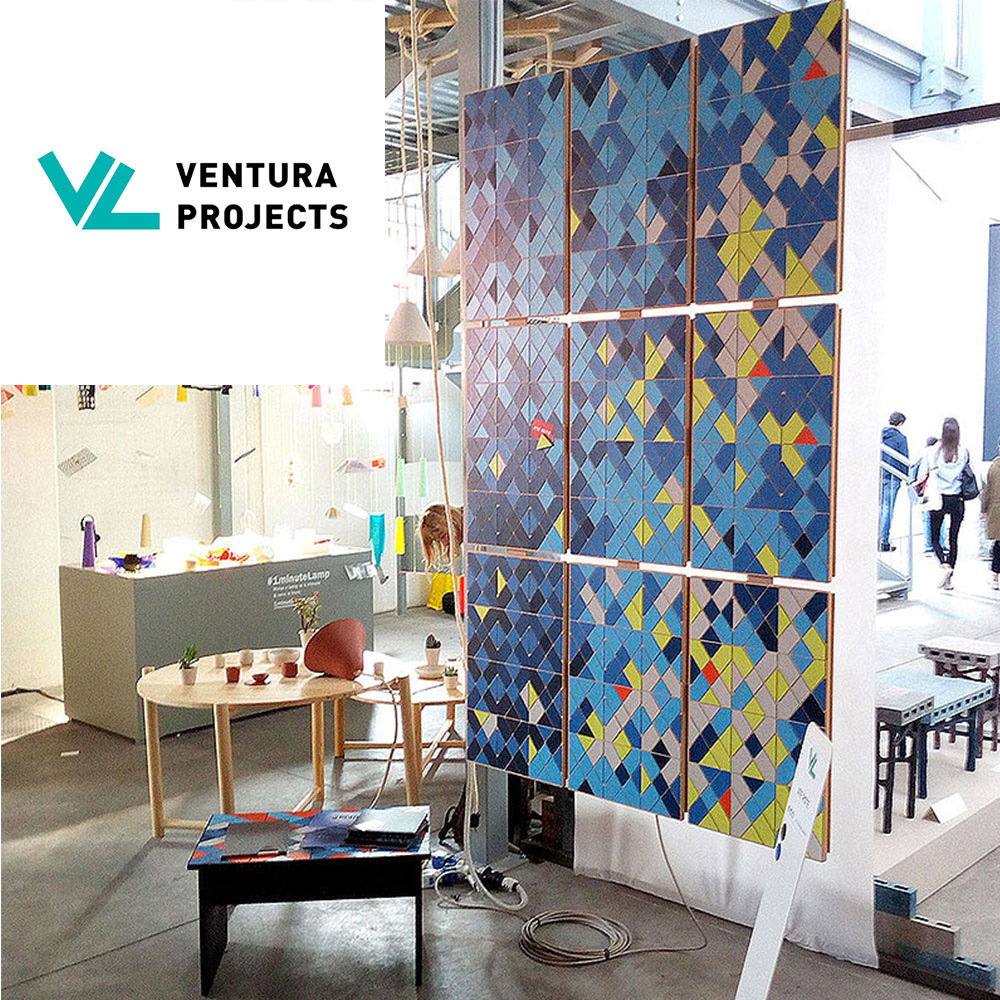
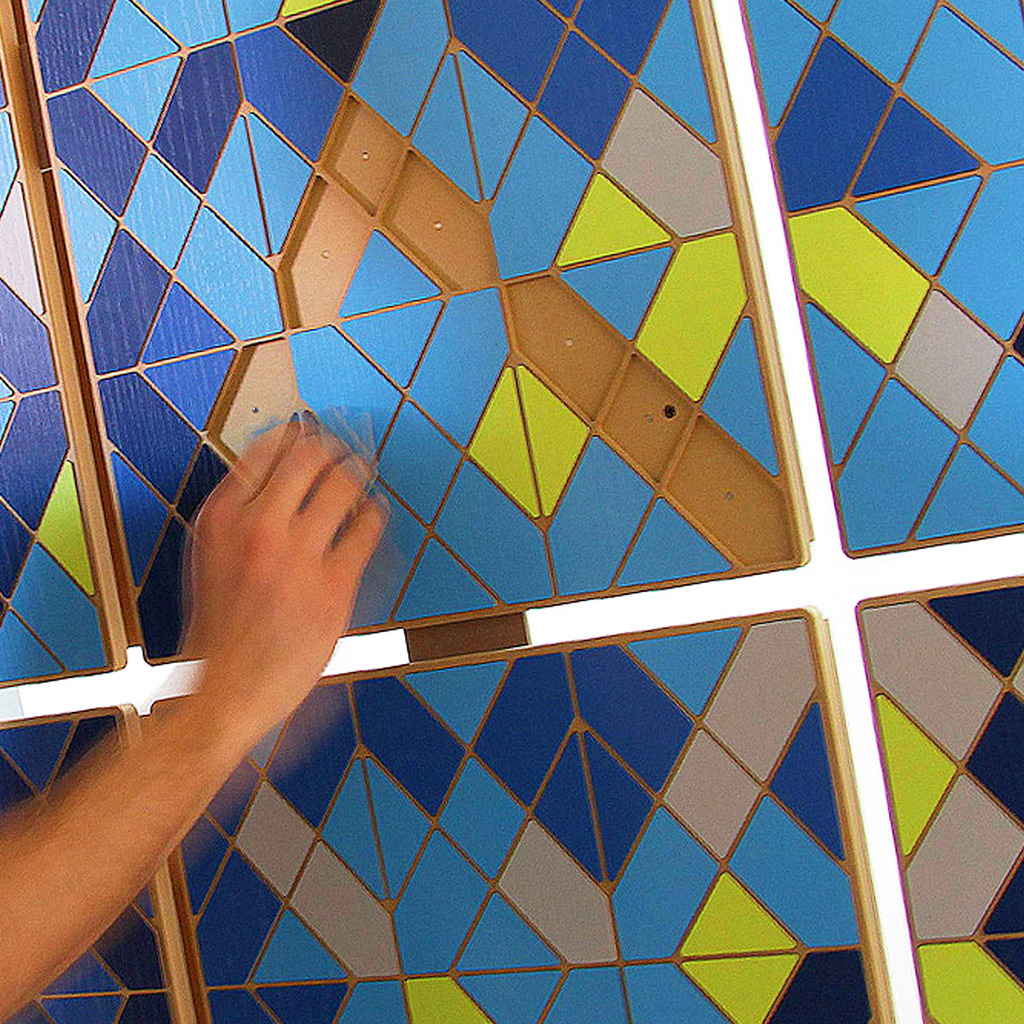
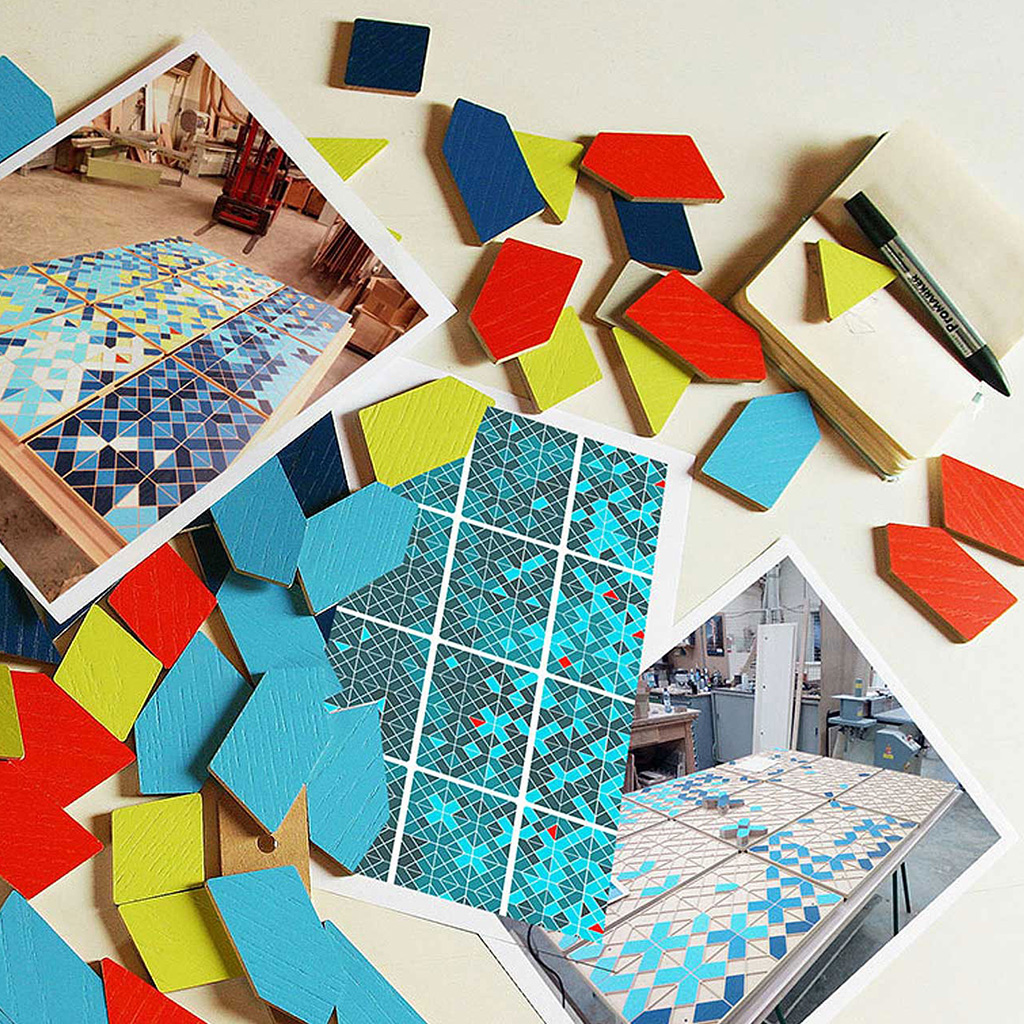
Open Puzzle is a modular sound-absorbing system designed to generate endlessly reconfigurable color patterns based on a few basic geometric shapes. Each element can be repositioned freely, allowing users to “compose” surfaces like an open-ended puzzle. The system can be integrated both into furniture and wall installations, using magnetic coupling to enable effortless attachment, removal and rearrangement. Through playfulness and modular repetition, acoustic performance becomes a spatial and tactile interaction rather than a fixed architectural treatment.