LAB
Research Directions and
Design Propositions
on Design Technology Matter Life Culture Systems Process
Ate Rote LAB is the research-core of the studio.
It’s a transversal environment connecting all its works and collaborations.
It proactively or on request investigates how cultural, technological, material and social transformations are reshaping products, spaces, and systems.
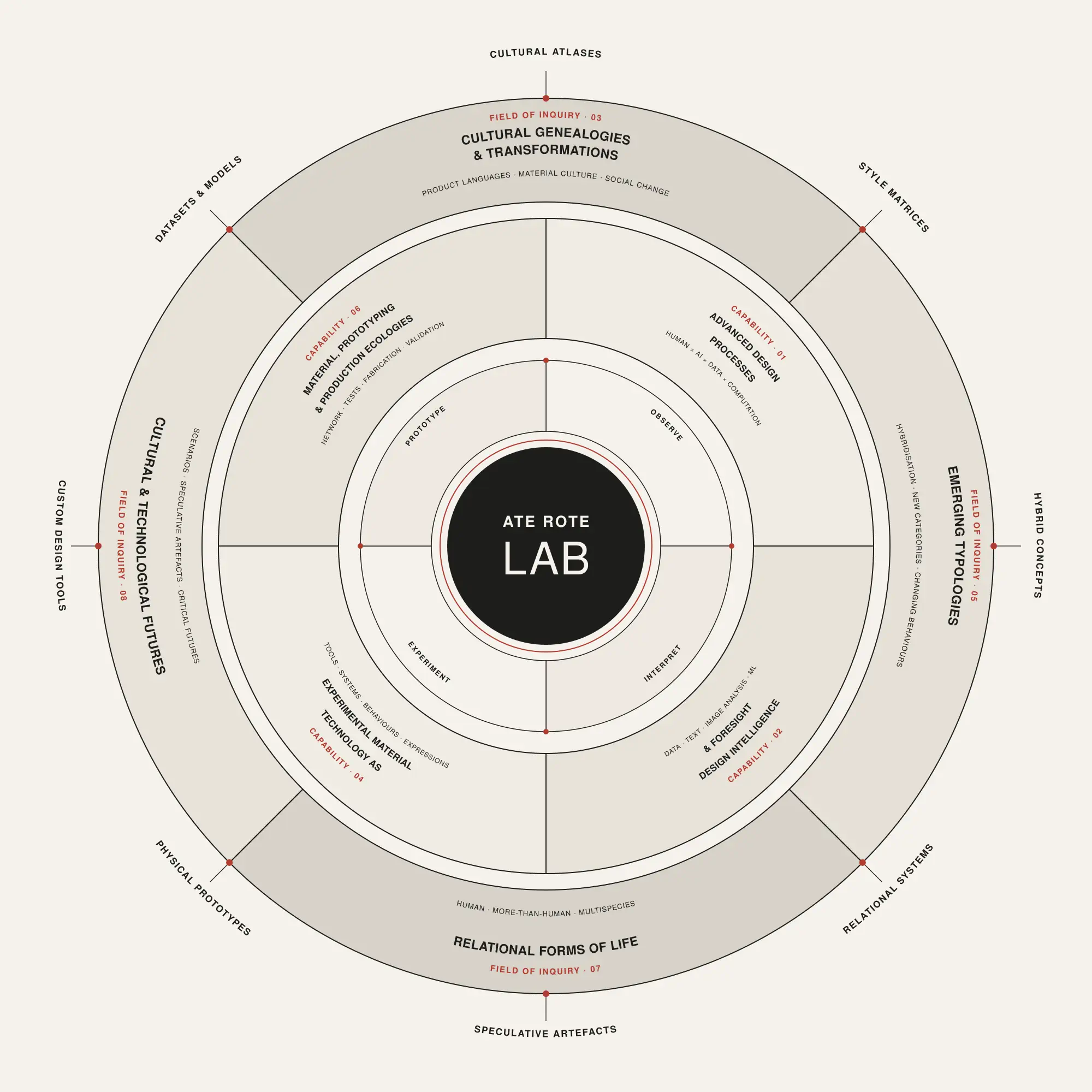
Human judgement and creativity is combined with data analysis, AI, computational design and advanced prototyping to expand the capabilities of design.
Outcomes range from datasets, analytical maps and custom tools to scenarios, concepts and physical prototypes.
Through a continuous exchange between inquiry and making, the LAB transforms research into tangible possibilities for companies, institutions and society.
Design-Research Directions
Ate Rote is currently working on seven design research directions, that operate as an interconnected field rather than as separate areas of activity. They combine analytical methods, cultural inquiry, technological experimentation, material research and emerging forms of life. Together, they define how Ate Rote observes transformations and translates them into knowledge, tools, scenarios and tangible design outcomes.
01
Advanced Design Processes.
Open 01

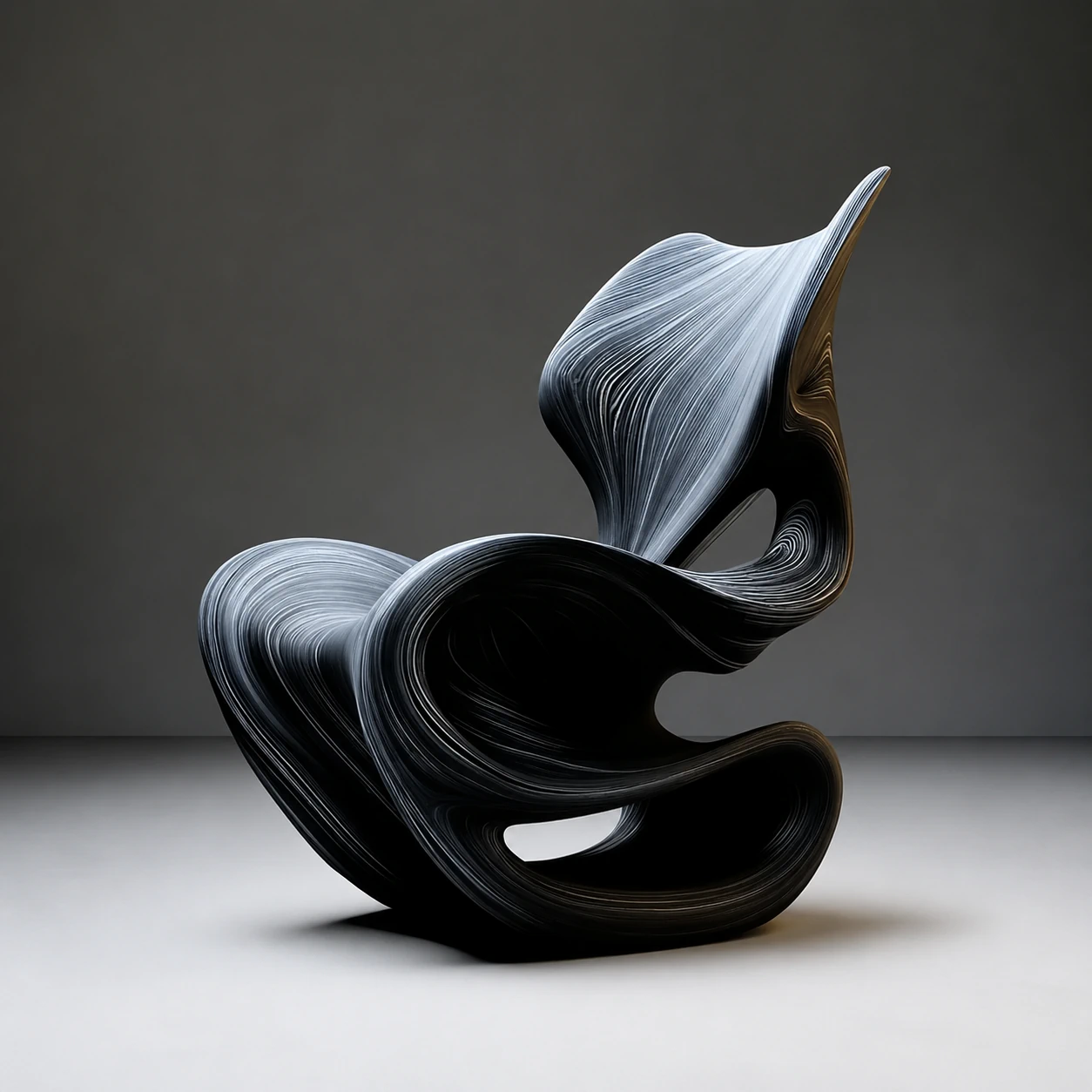
Human and Data-AI Collaboration
Ate Rote investigates how collaboration between human intelligence, artificial intelligence, data and computational systems can expand the capabilities of design. AI is not understood as a substitute for the designer, but as part of an augmented cognitive environment in which different forms of intelligence contribute to observing, generating, comparing, modelling and testing possible solutions.
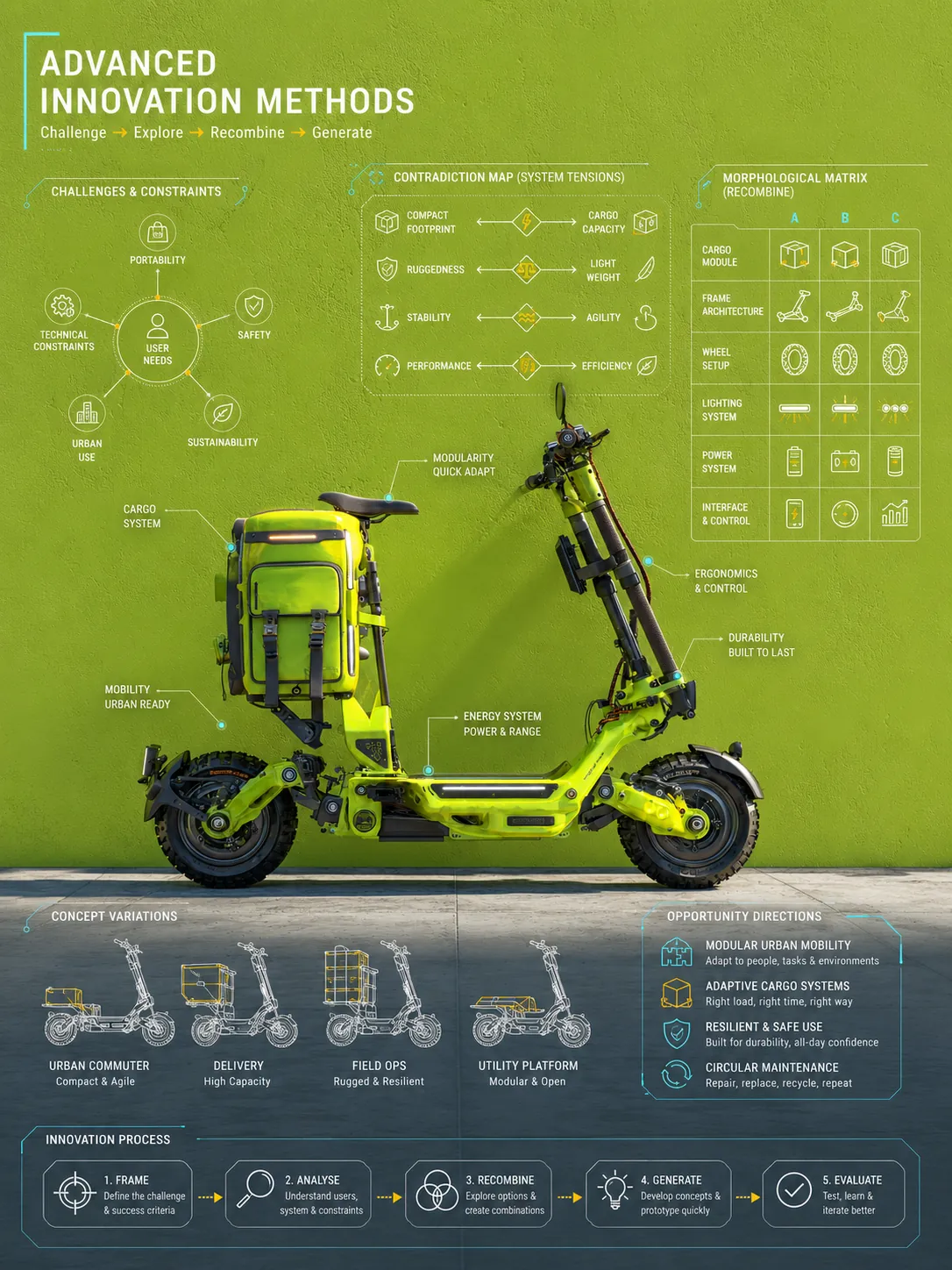

This research integrates generative design, advanced 3D modelling, parametric systems, virtual and physical prototyping, and data-informed decision-making. Its purpose is not simply to accelerate existing activities, but to extend what designers are able to perceive, imagine and develop: exploring broader design spaces, managing multiple hypotheses simultaneously, identifying latent alternatives and translating speculative forms into controllable geometries.
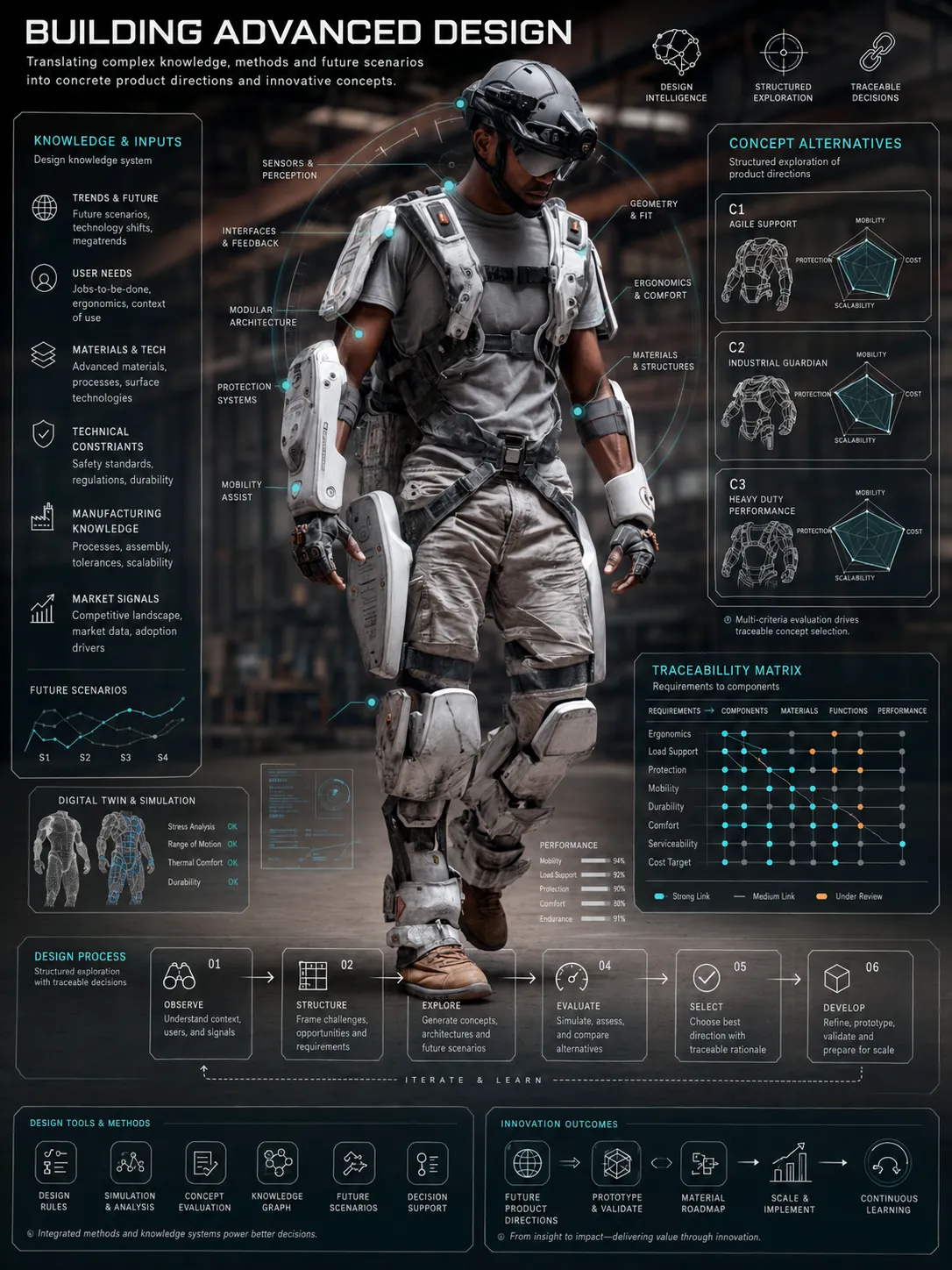

The resulting processes expand the exploratory and technical capabilities of design while supporting more informed decisions and a closer continuity between research, concept development and production. Human intuition, critical judgement and heuristic deviation remain central, but are strengthened by the analytical, generative and computational capacities of machines.

02
Design Intelligence and Foresight.
Open 02

Data Analysis for Products, Requirements and Emerging Trends
This direction develops the analytical dimension of Ate Rote’s research. Text analysis, image analysis, statistical methods, machine learning and artificial intelligence are used to examine products, markets, user requirements, technological signals and evolving design languages.


Large collections of texts, images, precedents and product information can be transformed into structured knowledge. Computational analysis makes it possible to identify recurring patterns, stylistic families, correlations between characteristics, emerging requirements and weak signals that would be difficult to recognise through intuition alone.


The purpose is not to automate strategic interpretation, but to establish a dialogue between computational evidence and human judgement. Data reveals structures, recurrences and anomalies; the designer interprets their meaning, recognises opportunities and introduces the heuristic deviations from which new directions may emerge. Depending on the research question, the process can generate datasets, product taxonomies, statistical studies, machine-learning models, style clusters, requirement matrices, semantic networks and visual trend maps, providing clients and partners with a more rigorous basis for design and foresight.
03
Cultural Genealogies and Transformations.
Open 03
The Cultural Roots of Product Languages
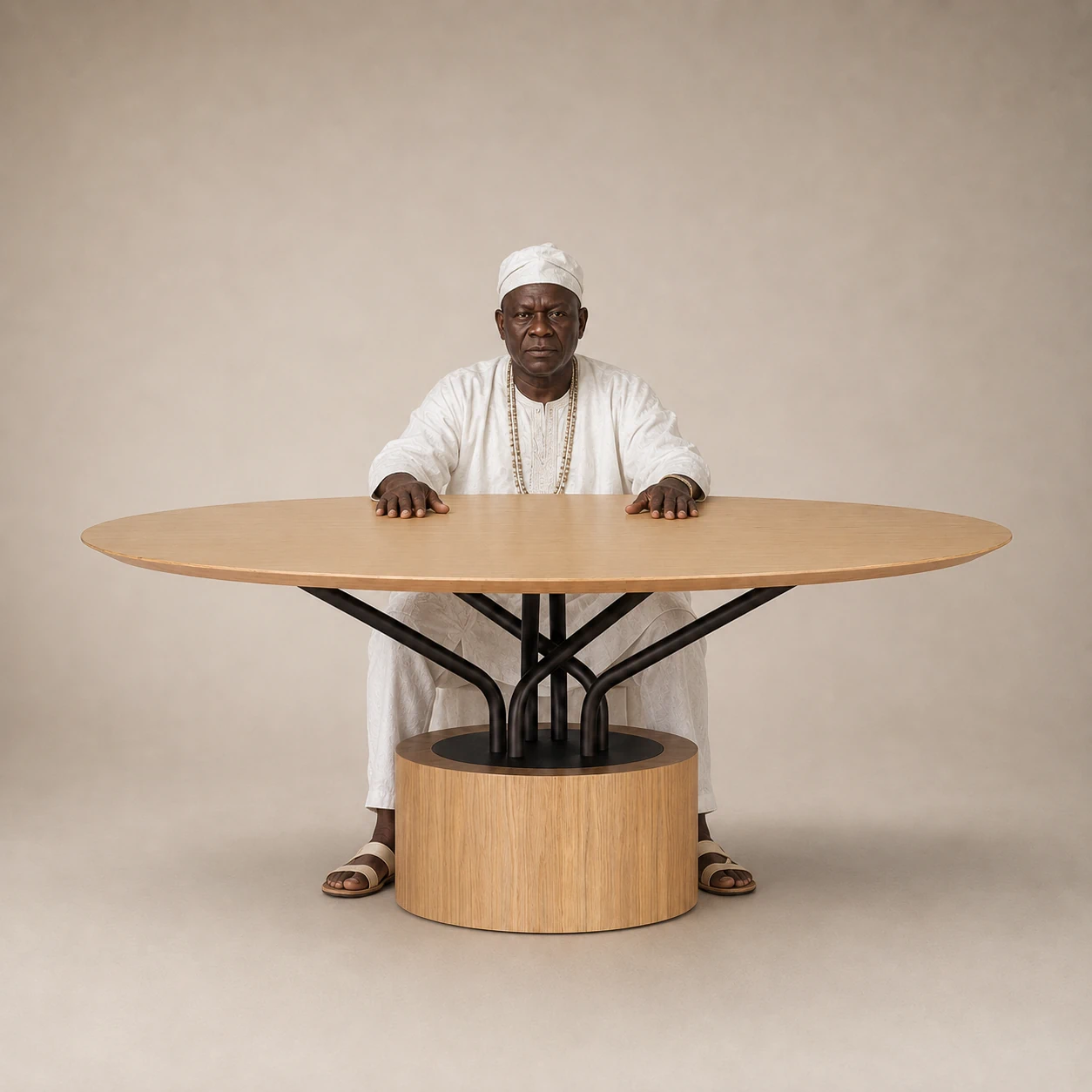
Products are never stylistically isolated. Their forms, materials, proportions and symbolic characteristics belong to broader cultural histories and are influenced by changes in society, technology, rituals, identities and ways of living.
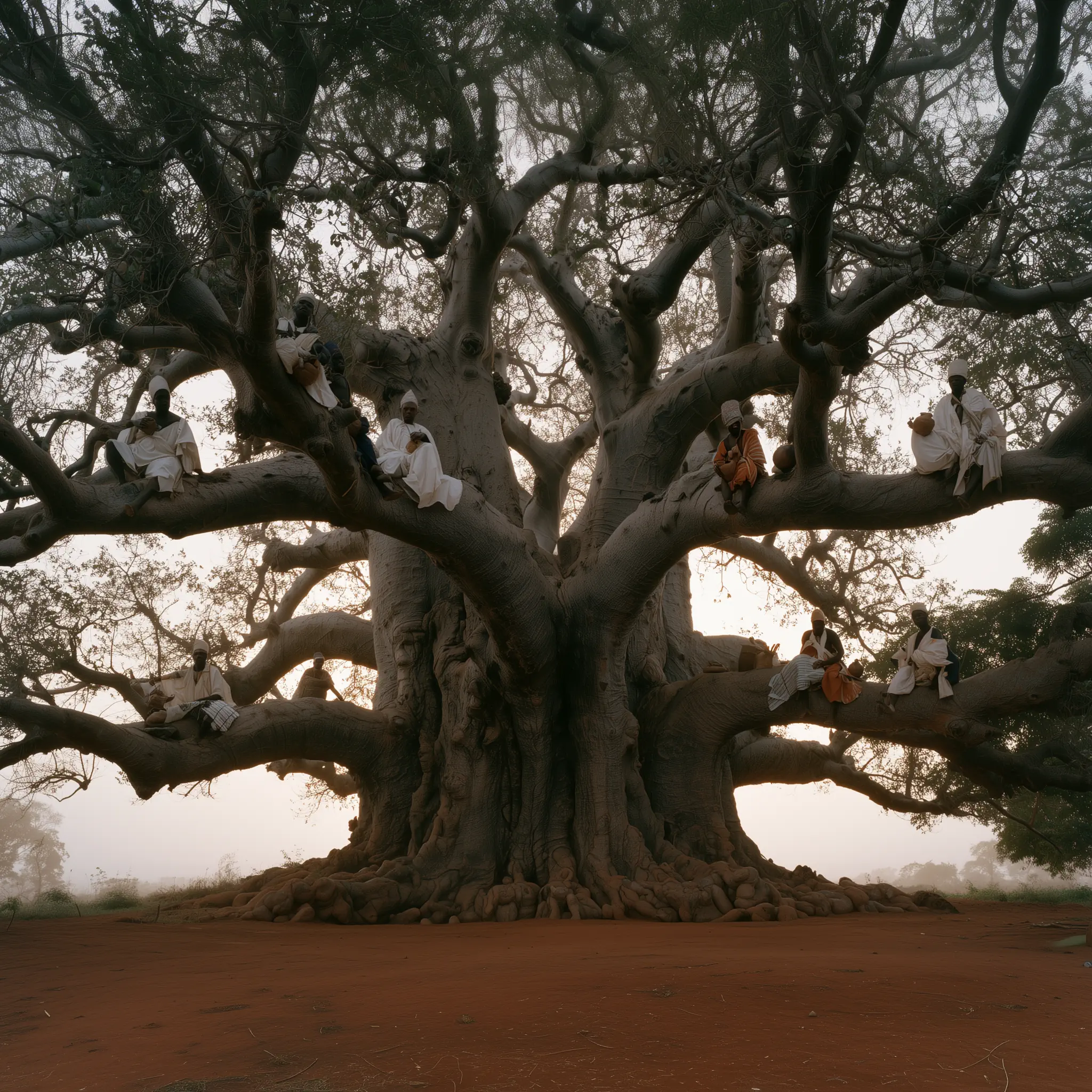
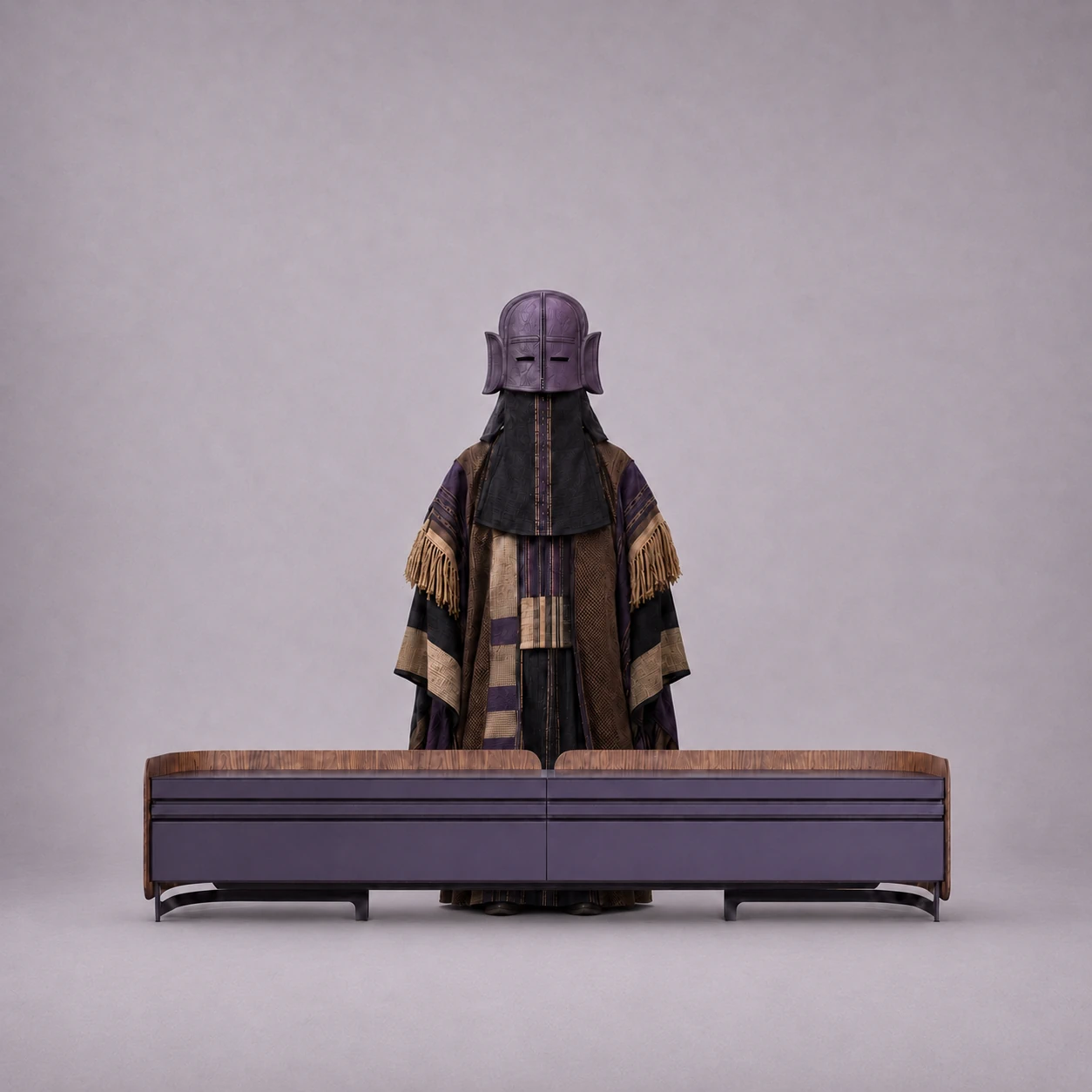
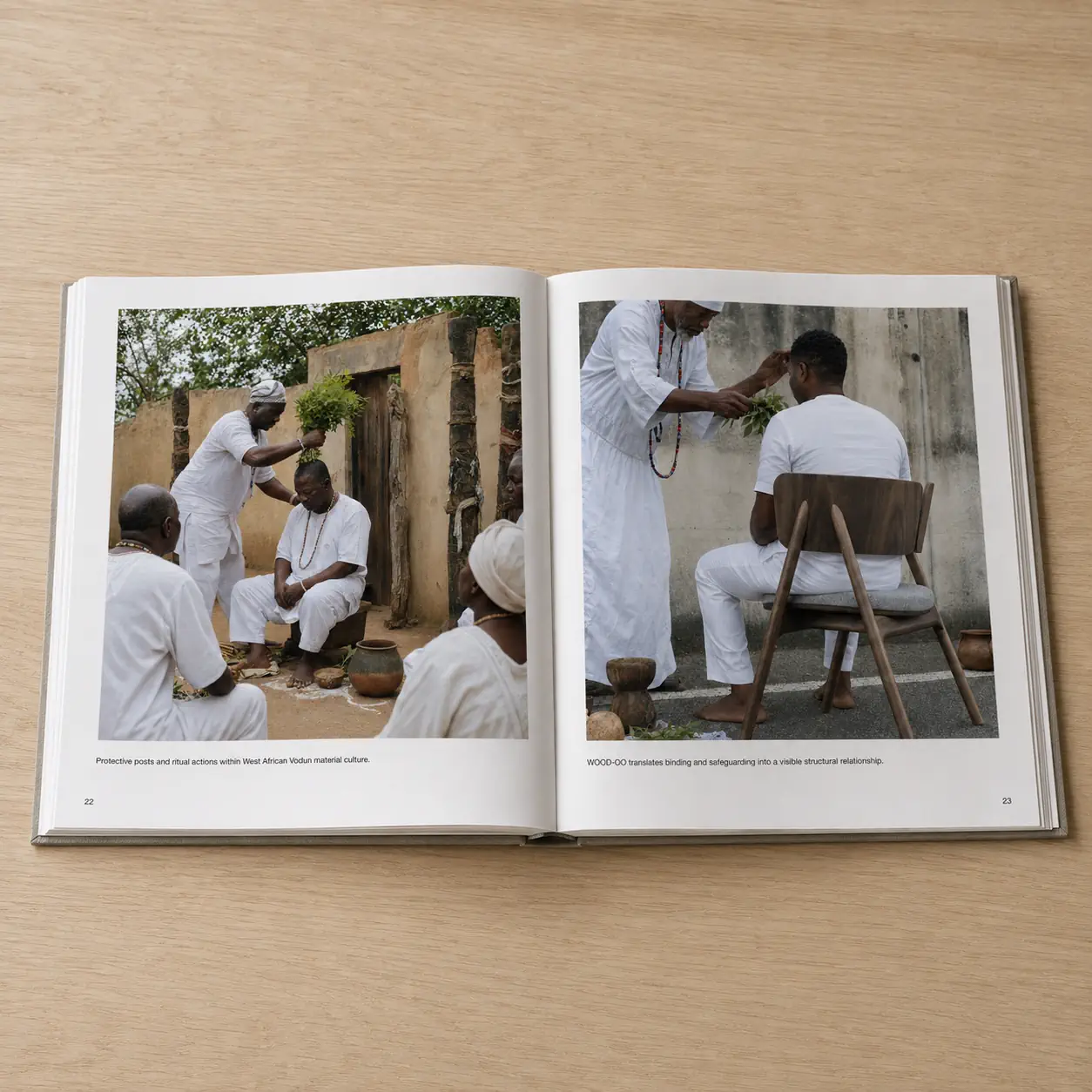
This research investigates the cultural roots of products by combining humanistic interpretation—including design history, anthropology, semiotics and material culture—with text mining, image analysis, visual clustering and AI-assisted comparison. The aim is to understand how a product language emerges, which collective imaginaries it draws upon and how these references can be transformed without becoming arbitrary or merely decorative.
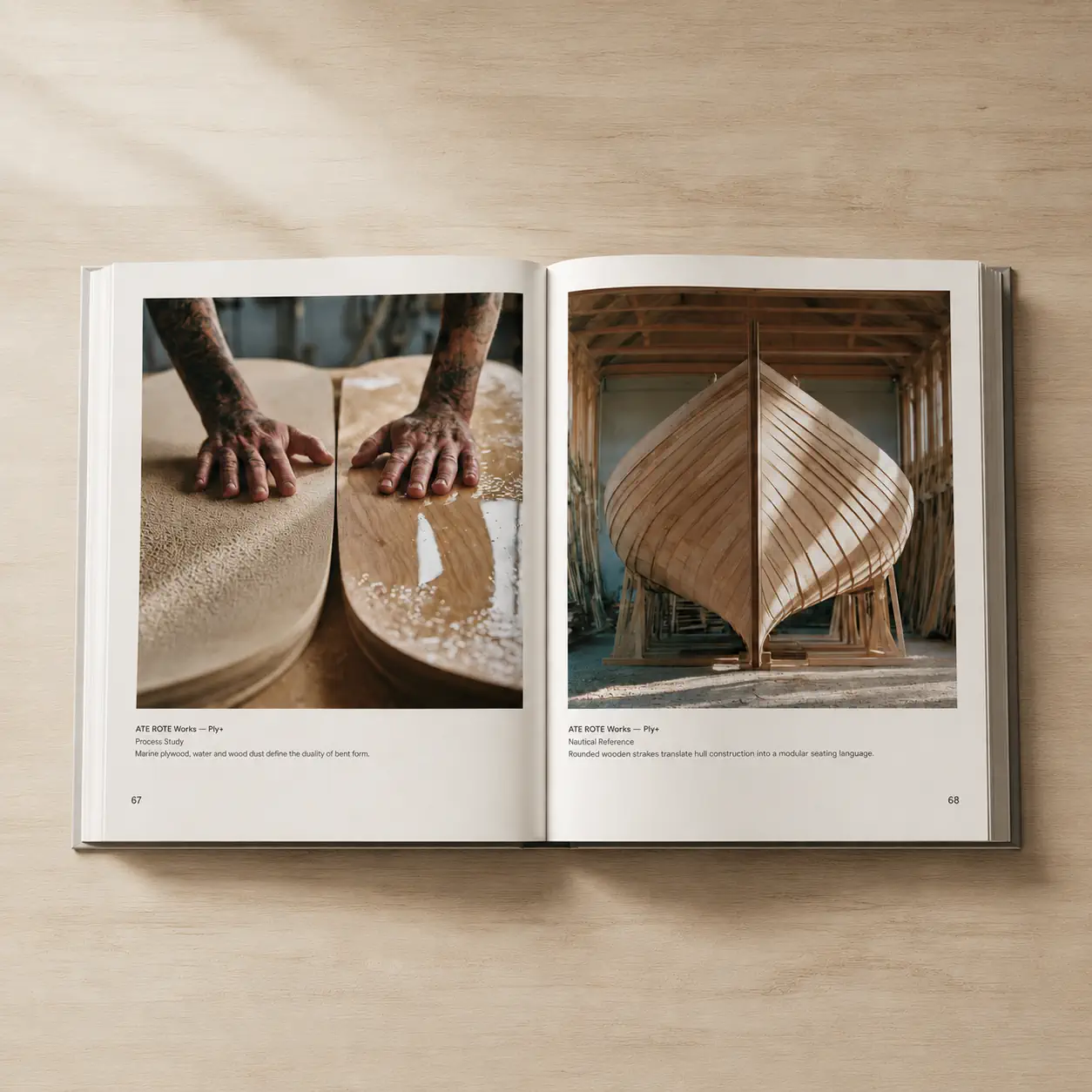

This approach runs through Ate Rote’s furniture work: Byzantine architectural structures and mosaics inform Tessera; the constructive principles of the yurt inform Kahal; Brutalism and exposed concrete inform Nihil; lunar imaginaries inform W-Moon; minerals and crystalline geometries inform Prisma. These references do not operate as moodboards, but as cultural and formal systems that are analysed and translated into contemporary design. The research can take the form of cultural atlases, visual genealogies, stylistic datasets, semantic maps and design-language matrices, contributing to products with a deeper, more distinctive and culturally grounded identity.
04
Emerging Product Typologies.
Open 04

New Hybrid Product Categories
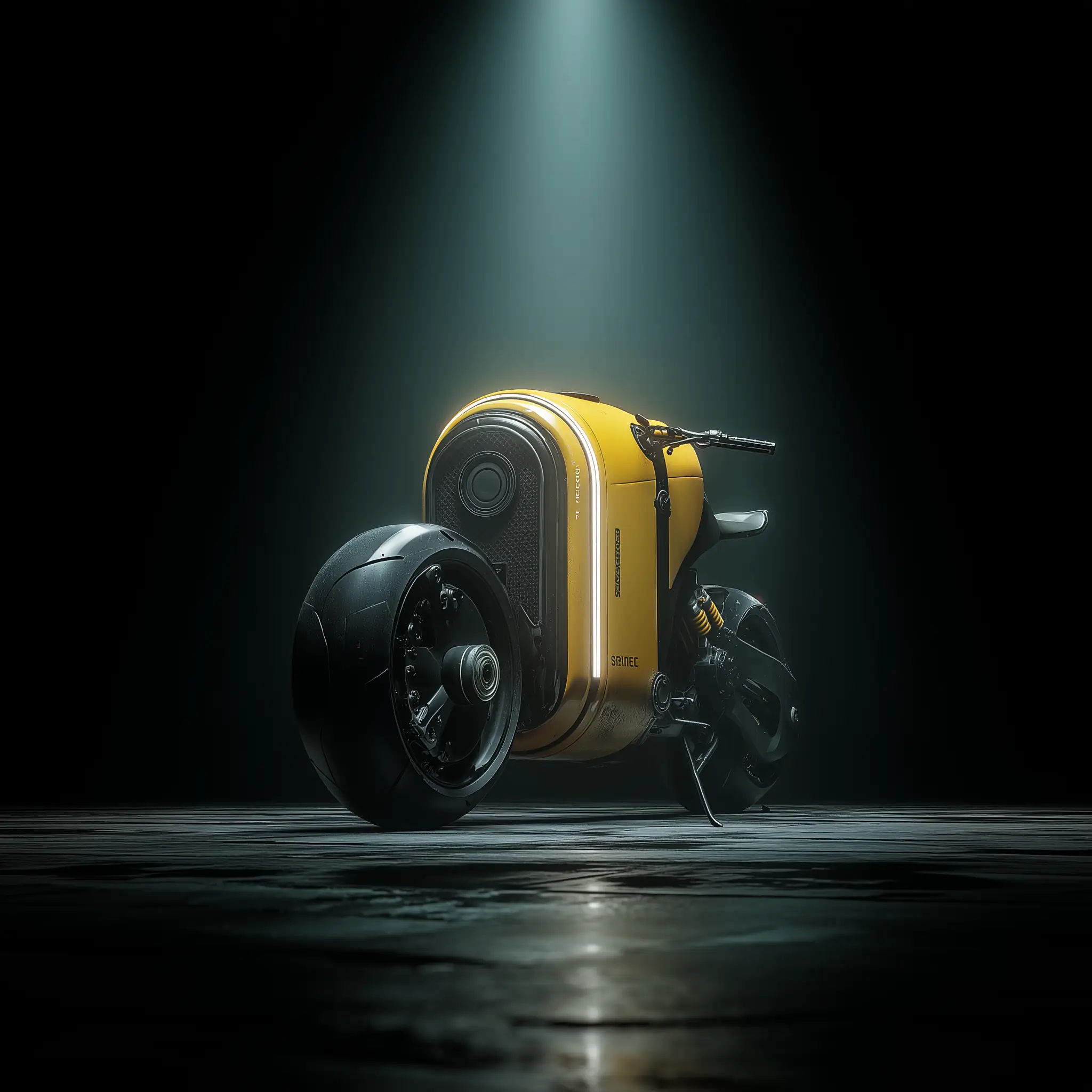
This direction studies how cultural, technological and behavioural transformations produce objects that no longer belong to a single established category. Furniture, mobility, work tools, domestic systems, architecture and intelligent devices can hybridise in response to emerging conditions of living, working, moving and inhabiting.


Hybridisation is not treated as a formal exercise or the superficial combination of recognisable products. It is used as a research method for connecting previously separate functions, behaviours and contexts, allowing new typological possibilities to emerge from the relations between them.
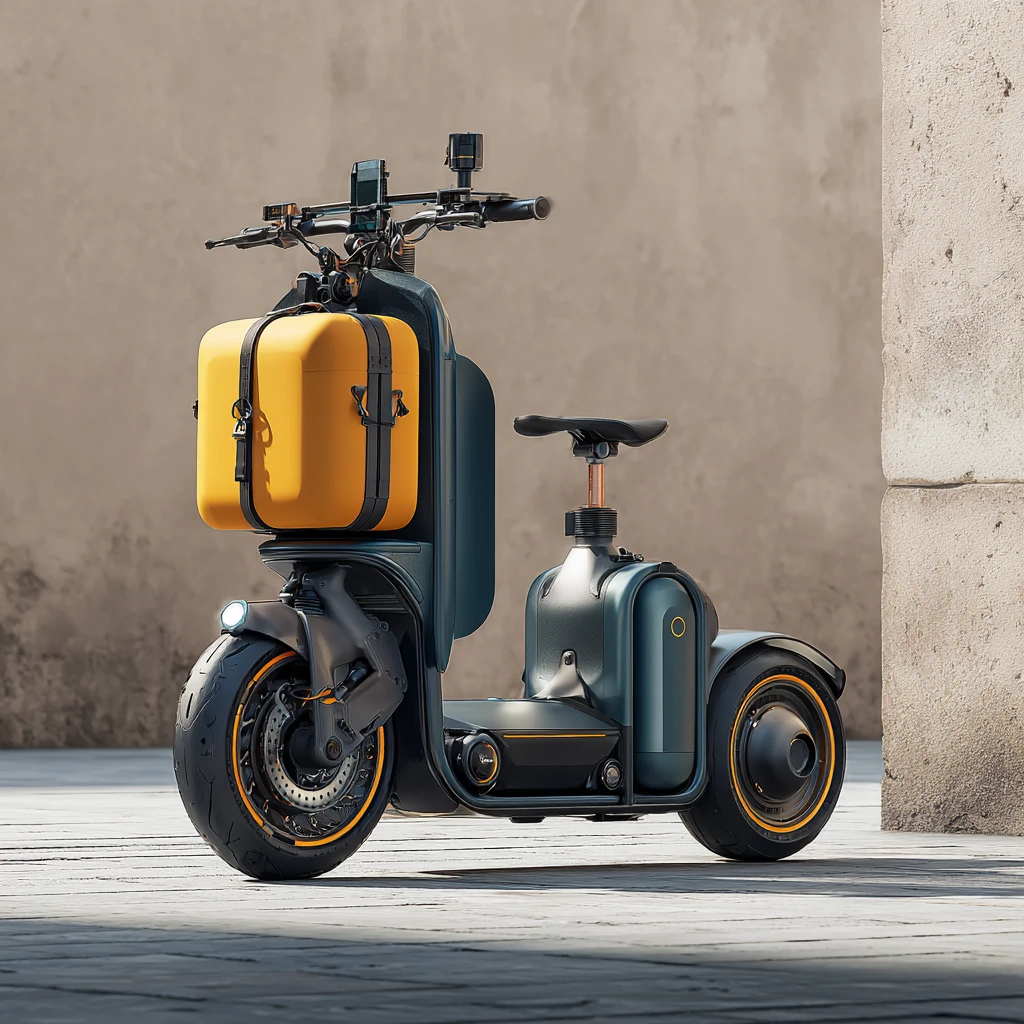
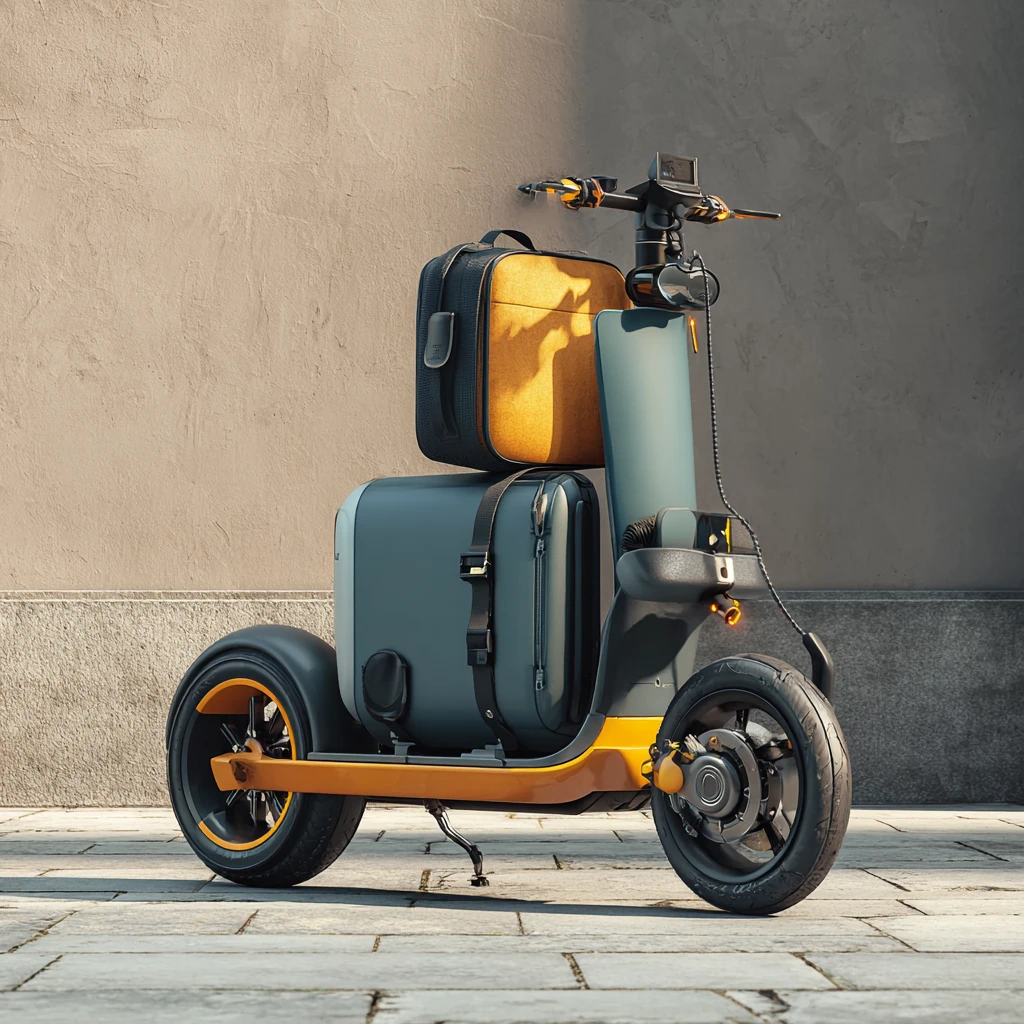
Projects such as Micrologistics, Cyber Nomads and Assistive Work Tools explore different forms of functional, spatial and cultural crossover. By revealing product categories that are still latent or insufficiently defined, this research opens underexplored design and market territories and supports the development of genuinely differentiated solutions rather than stylistic variations of existing typologies.

05
Production and Prototyping Ecologies.
Open 05

From Material Intelligence to Physical Validation
Materials, techniques and manufacturing systems actively participate in the development of the project. Their properties, limits, histories and transformation processes influence form, structure, assembly and use from the earliest stages of design.
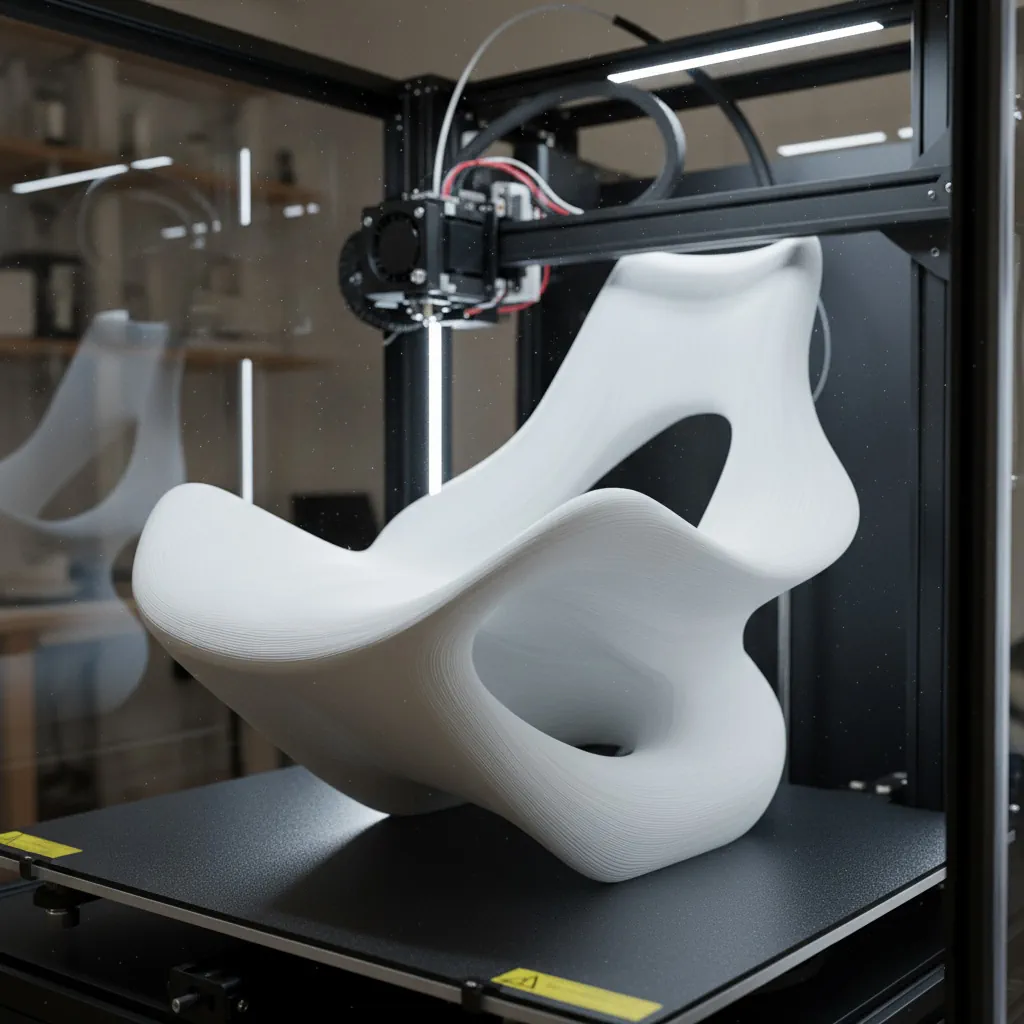
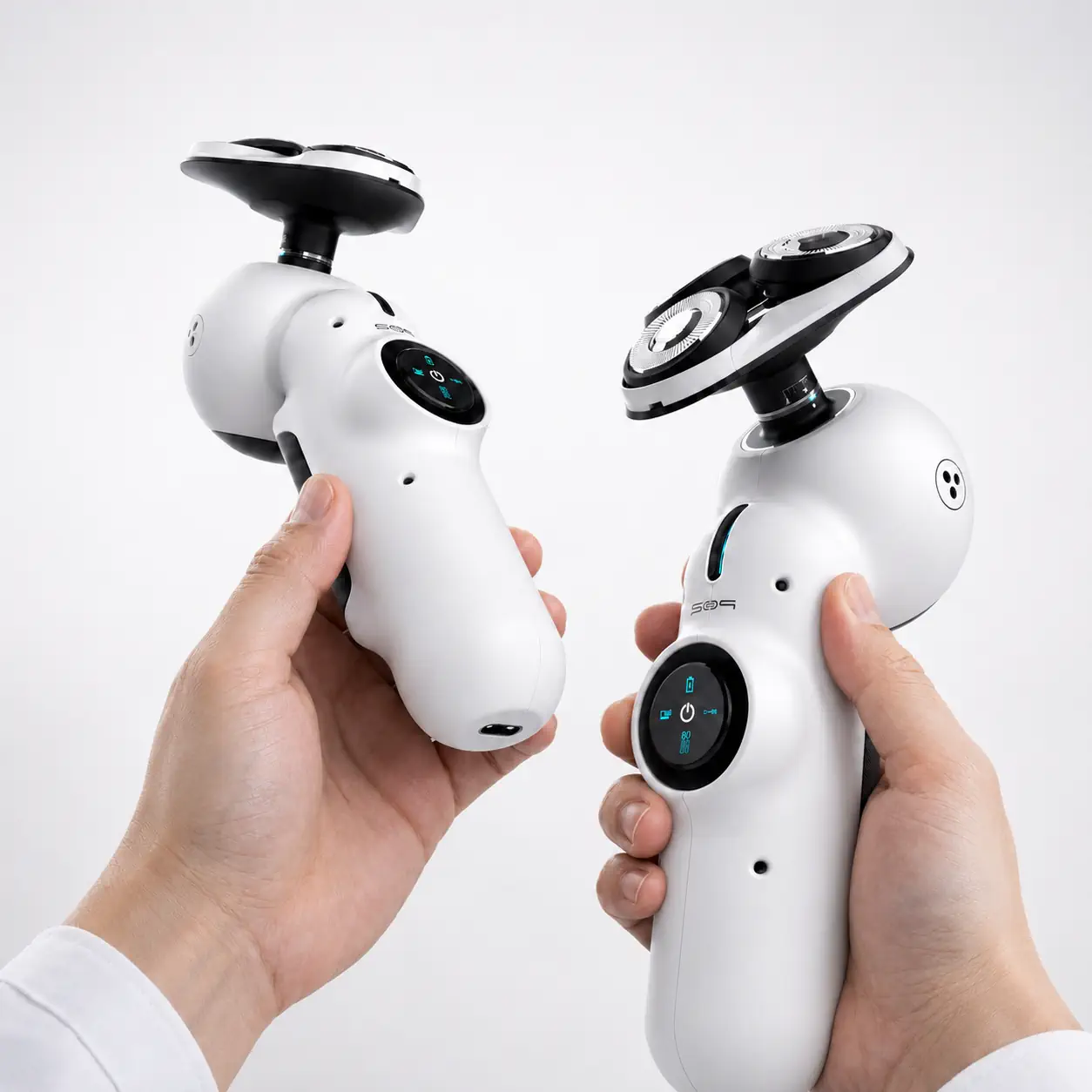
Over the years, Ate Rote has built a network of craftspeople, specialised workshops, prototyping facilities, engineering expertise and industrial partners across different production contexts. This network makes it possible to move research from drawings and digital models into material tests, physical prototypes, demonstrators and pre-production artefacts.


Prototyping is therefore not considered a final presentation phase, but a research instrument through which proportions, ergonomics, joints, material behaviours, assembly sequences and manufacturing possibilities can be evaluated. Discoveries made during fabrication are reintroduced into the design process, establishing a continuous dialogue between concept and production. The Bamboo collections, PLY, So Long!, Infinit.oo and the experimental furniture projects demonstrate how Ate Rote can guide research, creative direction and prototyping while involving specialised partners in engineering, certification and industrial implementation when required. This allows experimental ideas to advance towards physically tested, technically credible and potentially producible solutions.

06
Natural+Synthetic Relational Forms of Life.
Open 06

Human, More-than-Human and Multispecies Relations
This direction explores the relationship between design and life—not only human life, but the relations between people, other species, artificial systems and environments. Objects are understood as agents that reorganise proximity, behaviour, autonomy, care and coexistence.


The research encompasses more-than-human and multispecies perspectives, accessibility and social improvement, as well as the emotional and cognitive relations developing between humans and artificial entities. Rather than considering the user as an isolated individual, it investigates the wider systems of dependency, reciprocity and interaction within which every artefact operates.


Projects such as Unlistened Wor-l-ds, Artificial Feelings, the Bamboo Pet series and the research on assistive tools approach these questions from different perspectives. This expanded understanding of life allows design to produce more inclusive, sensitive and relationally aware solutions, attentive not only to individual performance but also to the forms of coexistence, care and mutual transformation that objects help to establish.

07
Possible Futures and Anticipatory Design.
Open 07

Scenarios, Speculative Artefacts and Critical Prototypes
Ate Rote investigates how cultural, social and technological phenomena may transform the future meaning, language and function of artefacts. Research materials, archives, scientific literature, datasets and emerging signals are translated into scenarios, speculative concepts and critical prototypes.


While Cultural Genealogies reconstructs the cultural roots and present position of a product, this direction projects observe transformations forward. Its purpose is not to predict a single future, but to make different possible futures visible, tangible and open to interpretation and discussion.

