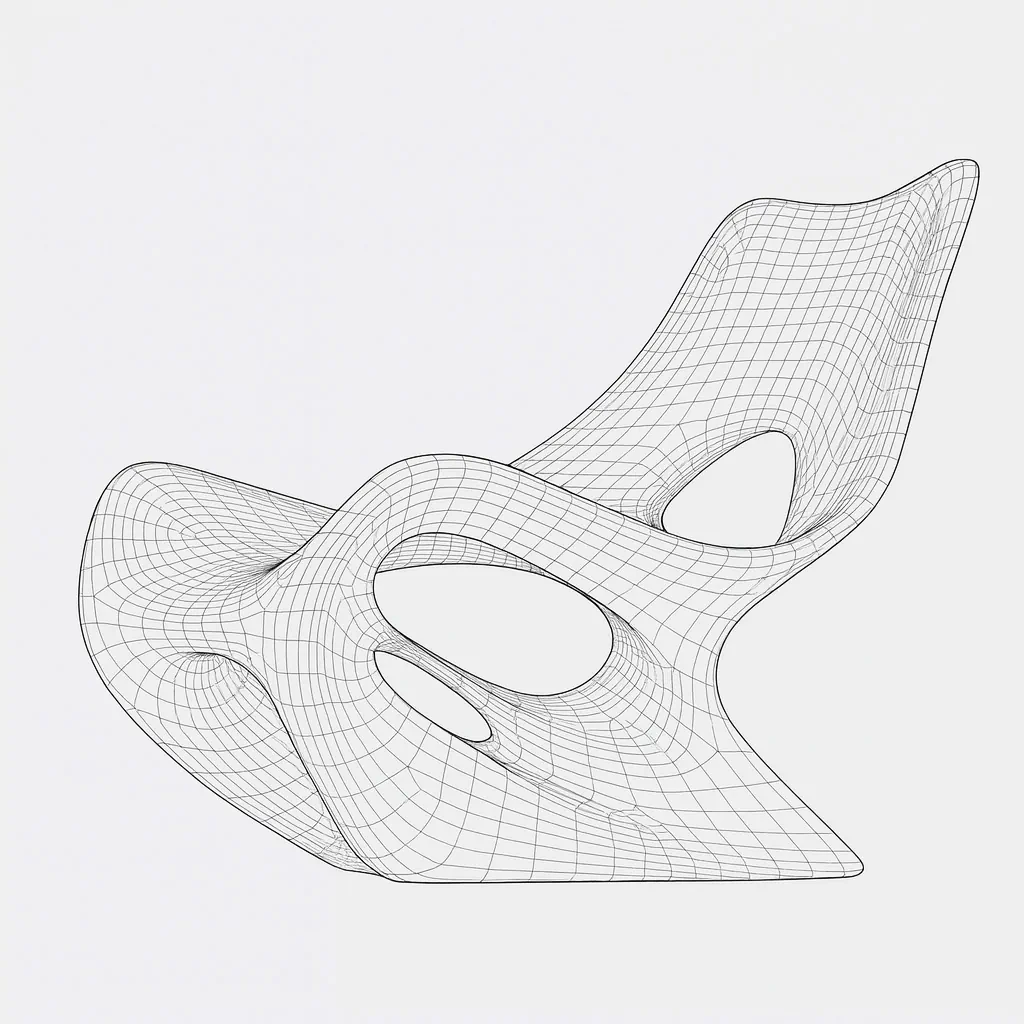
VISIONS
Design Propositions &
Research Directions
on Design Technology Matter Life Culture Systems Process
Ate Rote approaches design as a way of interpreting and intervening in transformations that begin before the object and extend beyond it. Visions brings together the propositions through which the studio connects research, technological
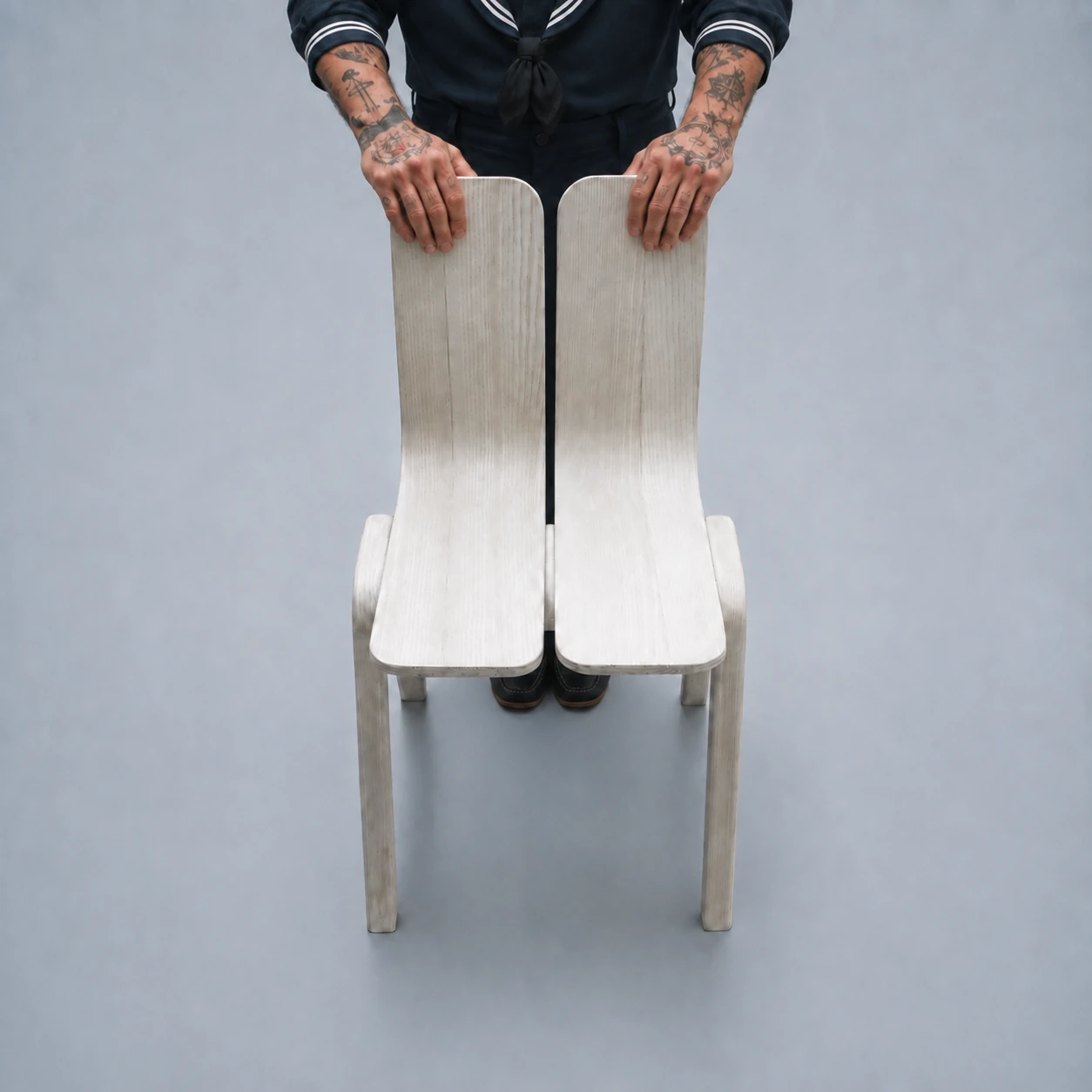
10 Design Propositions
Ate Rote approaches design as a way of interpreting and intervening in transformations that begin before the object and extend beyond it. Visions brings together the propositions through which the studio connects research, technological
01

Design begins before the object.
Design begins in the observation of the cultural, social, technological and productive transformations from which objects emerge.
02
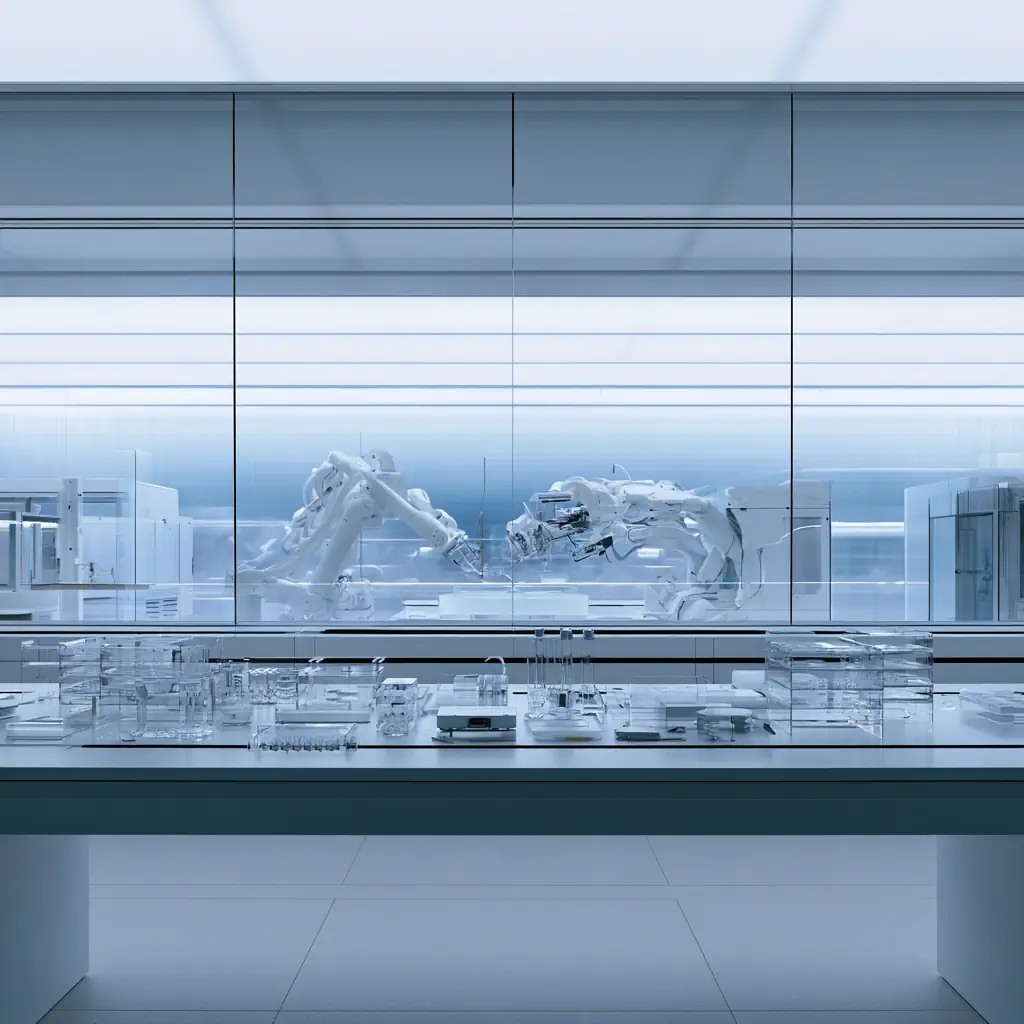
Research is a form of Design.
Research does not simply precede the project. It constructs creative questions, relationships, models and possibilities, and is therefore already a form of Design.
03
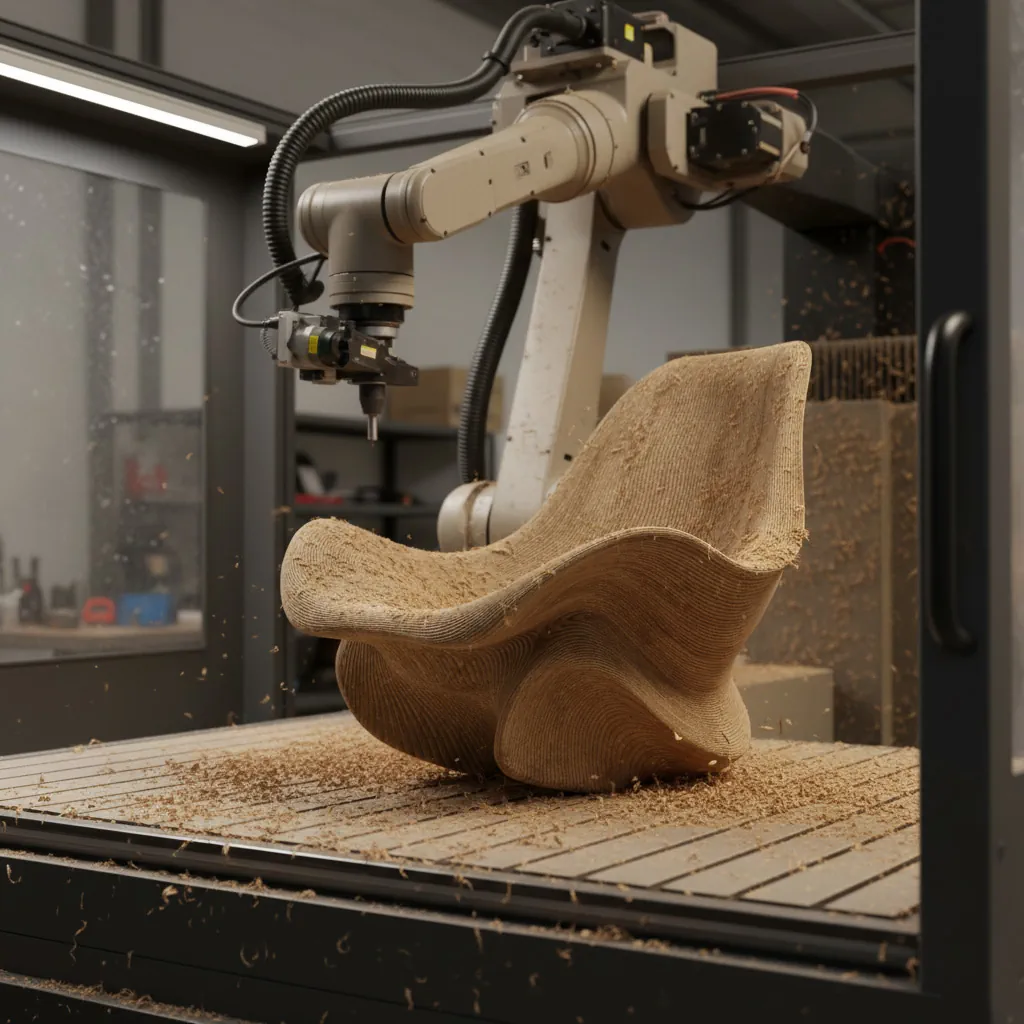
Technology is a design material.
Technology is not only a tool for design, but also a field to be explored, questioned and transformed through design.
04
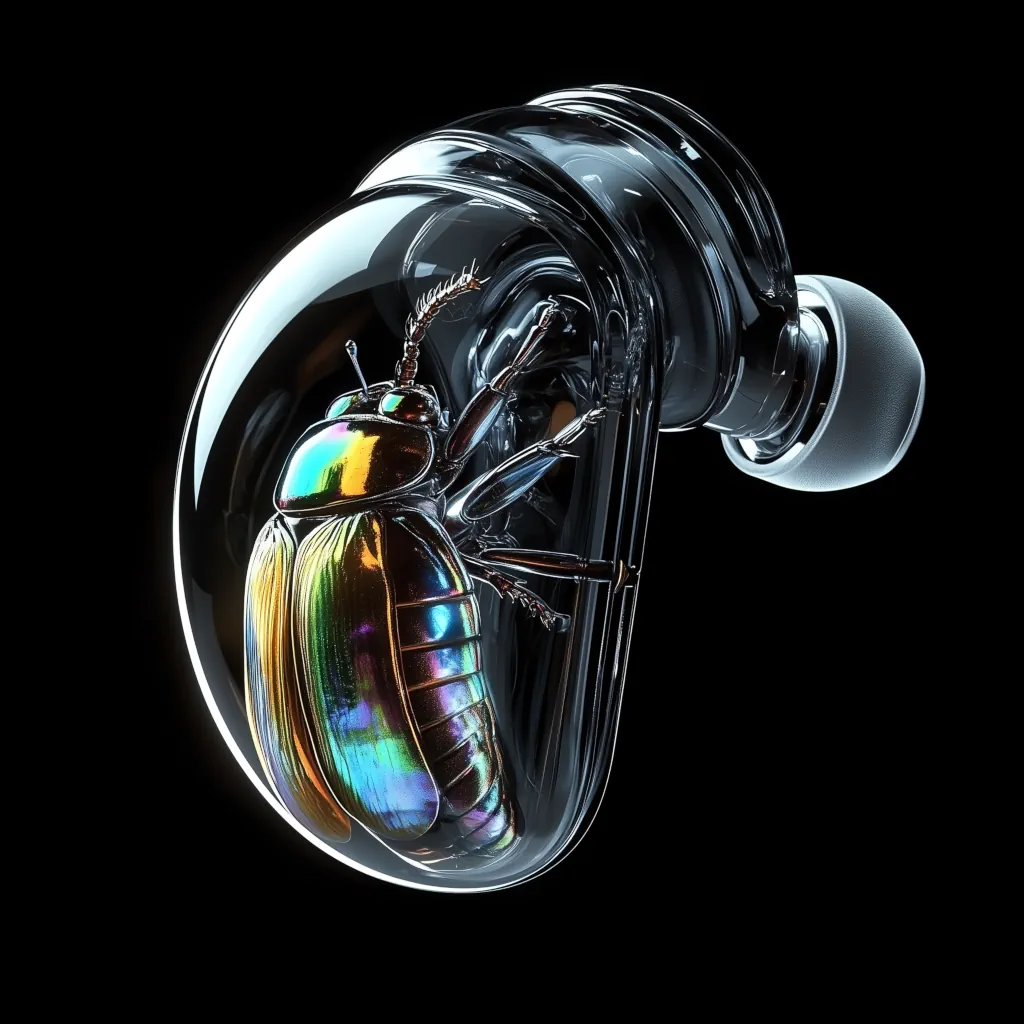
Design takes place within multispecies worlds.
Design does not concern human life alone. It shapes relationships among people, other species, habitats and ecosystems, and must recognise the interdependencies through which different forms of life coexist.
05
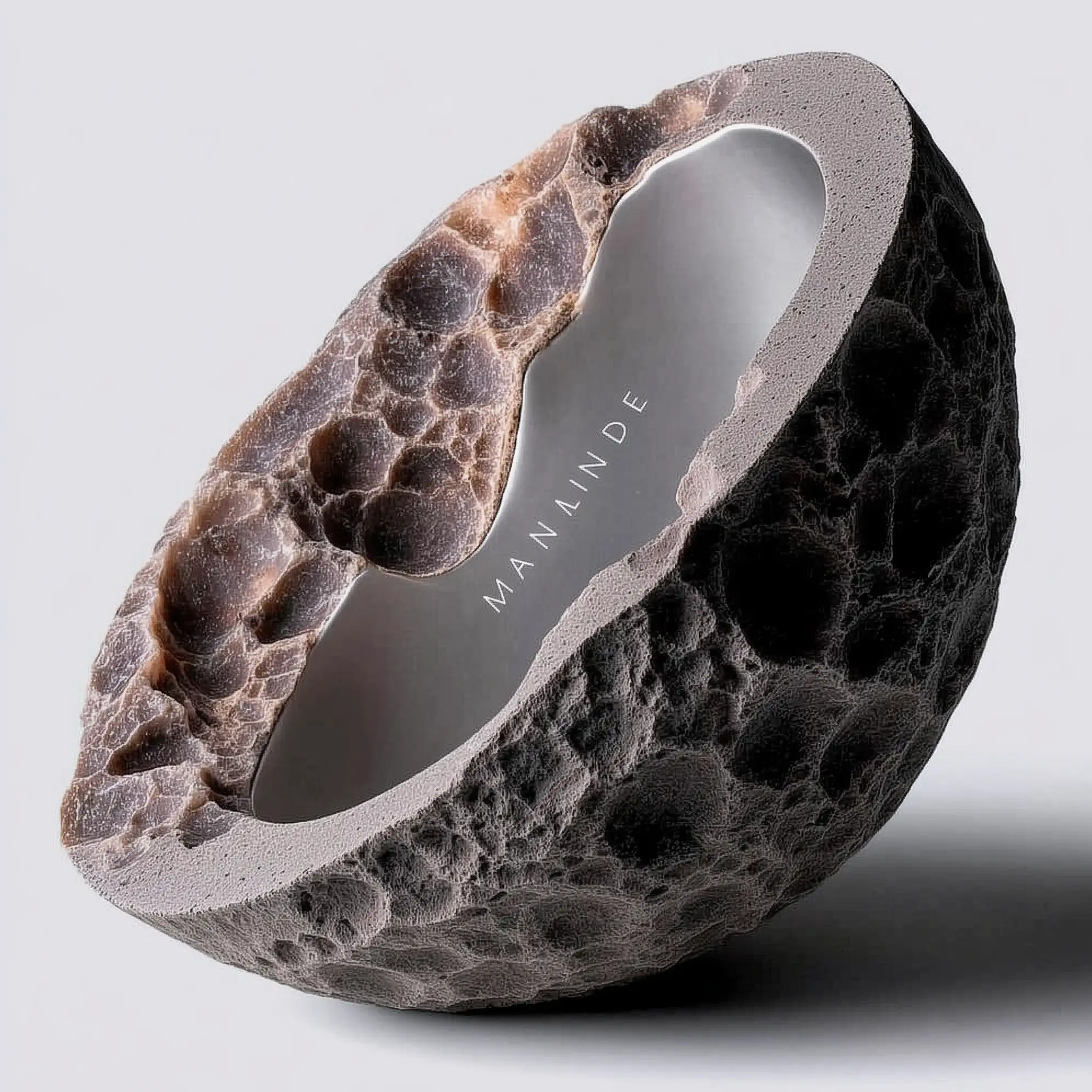
New typologies emerge through hybridisation.
New forms often emerge between existing categories, through the hybridisation of functions, technologies, behaviours, materials and scales.
06
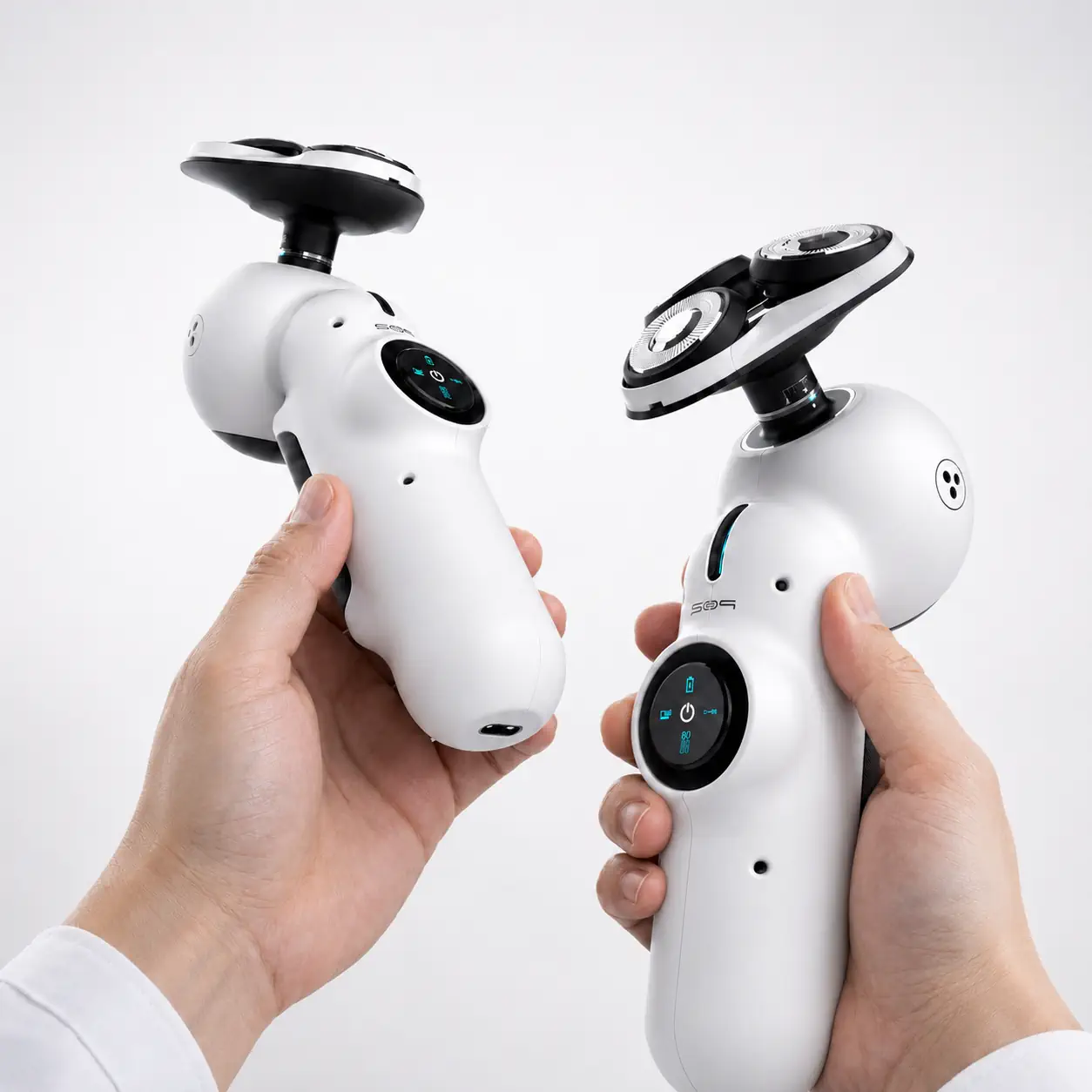
Futures need to be prototyped.
Design does not need to predict a single future. It can make different possibilities observable, testable and discussable through scenarios, artefacts and prototypes.
07
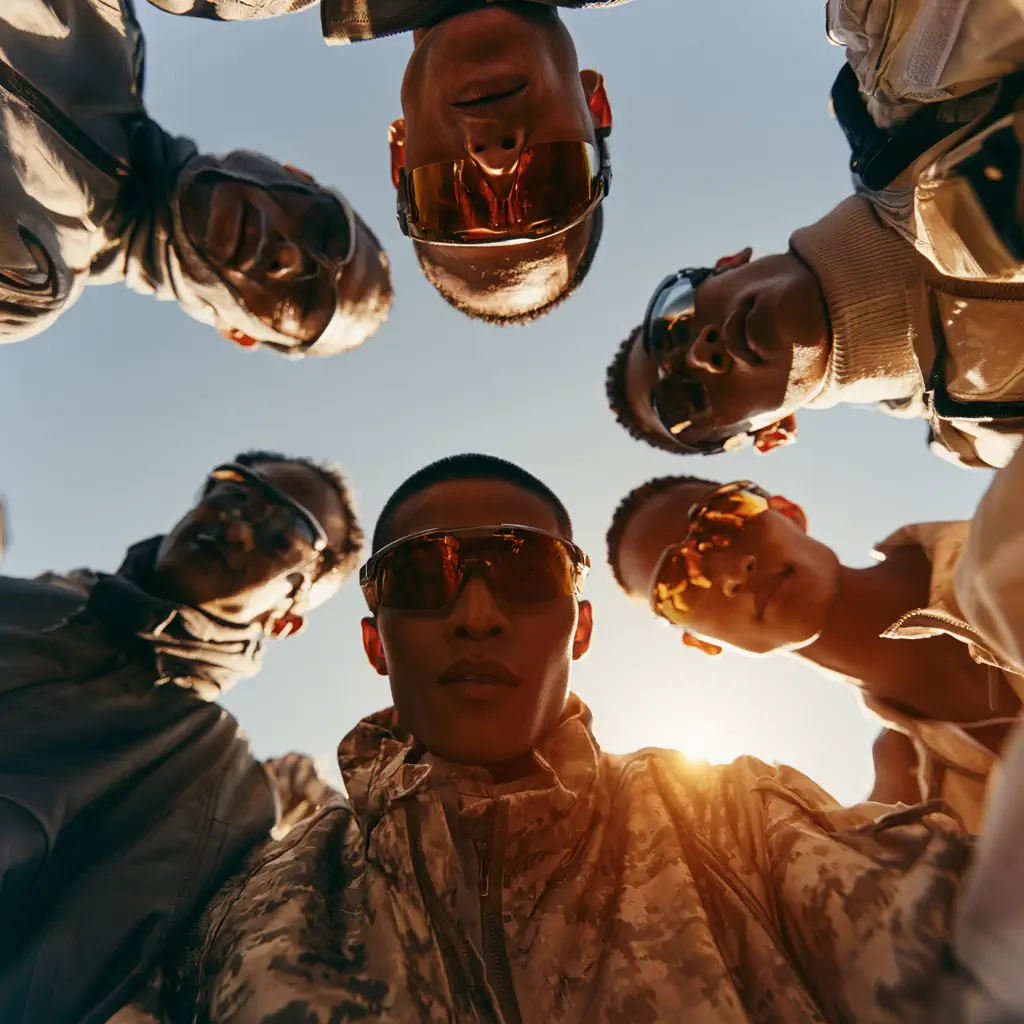
Advanced processes expand human design capabilities.
Generative design, artificial intelligence, advanced 3D modelling and computational workflows extend the designer’s ability to explore, simulate and develop complex forms, behaviours and production scenarios. Their value lies not in replacing human intelligence, but in augmenting perception, judgement and the movement between conceptual research, technical development and manufacturing.
08
Data informs design; the unexpected moves it forward.
Analytical work on data reveals patterns, relationships and latent tendencies, providing a rigorous basis for design. Yet innovation also emerges through anomalies, deviations, intuitions and unexpected associations: human heuristic leaps that exceed what data alone can prescribe.
09
Design must improve shared conditions of life.
Design is never socially neutral. It should contribute to more accessible, equitable and dignified conditions of life, extending its benefits beyond privileged users and responding to needs, capabilities and contexts that dominant models too often overlook.
10
Objects reorganise relationships.
Objects are not isolated forms. They intervene in relationships between bodies, gestures, environments, productive systems, organisations and ecosystems.
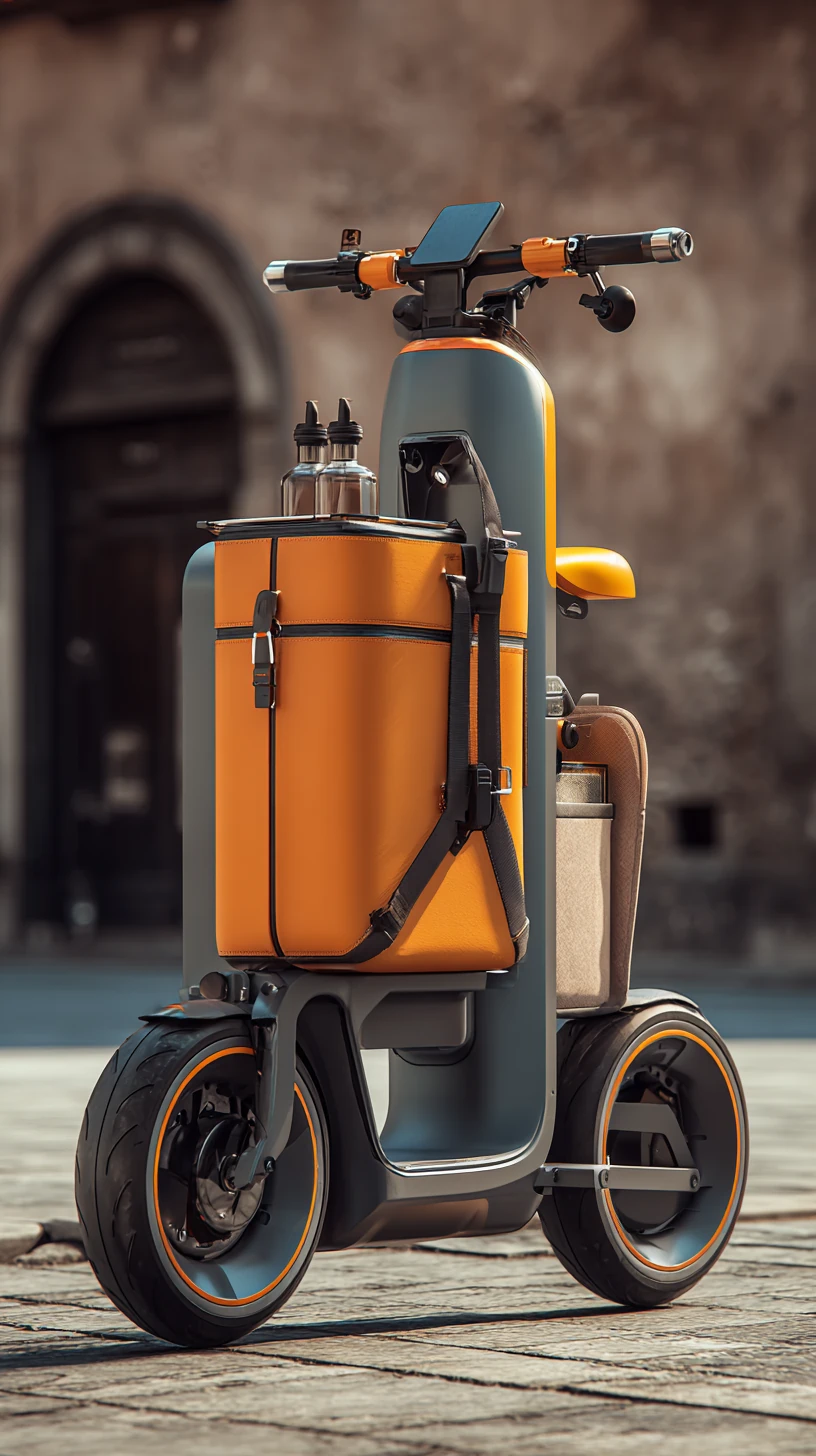
4 Research Directions
Ate Rote approaches design as a way of interpreting and intervening in transformations that begin before the object and extend beyond it. Visions brings together the propositions through which the studio connects research, technological
01
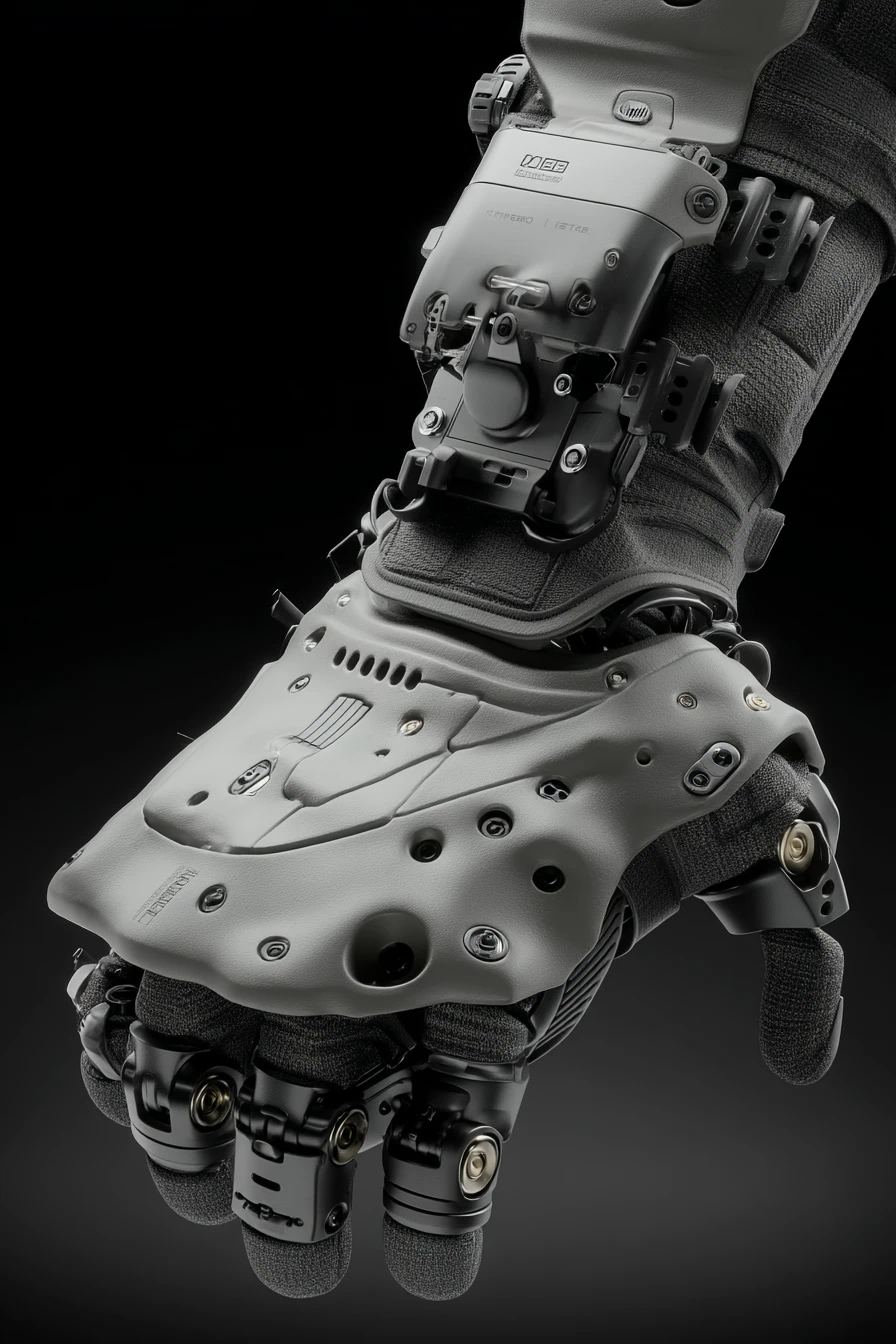
TRANSFORMATIONS.
Design before the object.
Design begins before a form is defined. It begins in the observation of changing behaviours, technologies, productive systems, cultural values and social relationships. These transformations are not simply the context surrounding a project: they are part of its material.
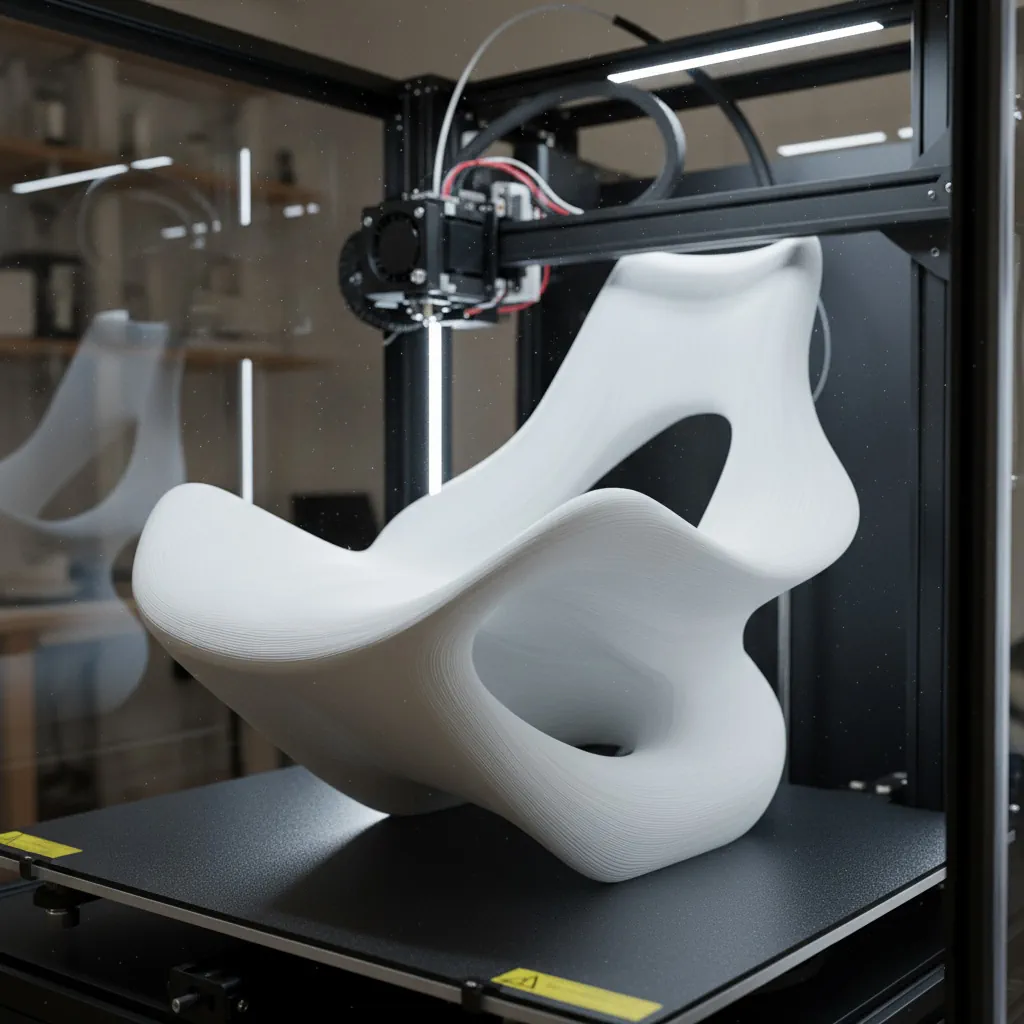
Within this perspective, an object is a temporary condensation of broader processes. It makes a transformation tangible, gives it a possible form and allows its consequences to be examined through design.
Technology therefore cannot be understood as a neutral instrument. Artificial intelligence, data science, parametric processes and digital fabrication modify not only how things are produced, but also what can be imagined, valued and shared. Technology becomes a cultural material through which societies continuously reconstruct their possibilities.
02
LIFE.
Designing relationships among forms of life.
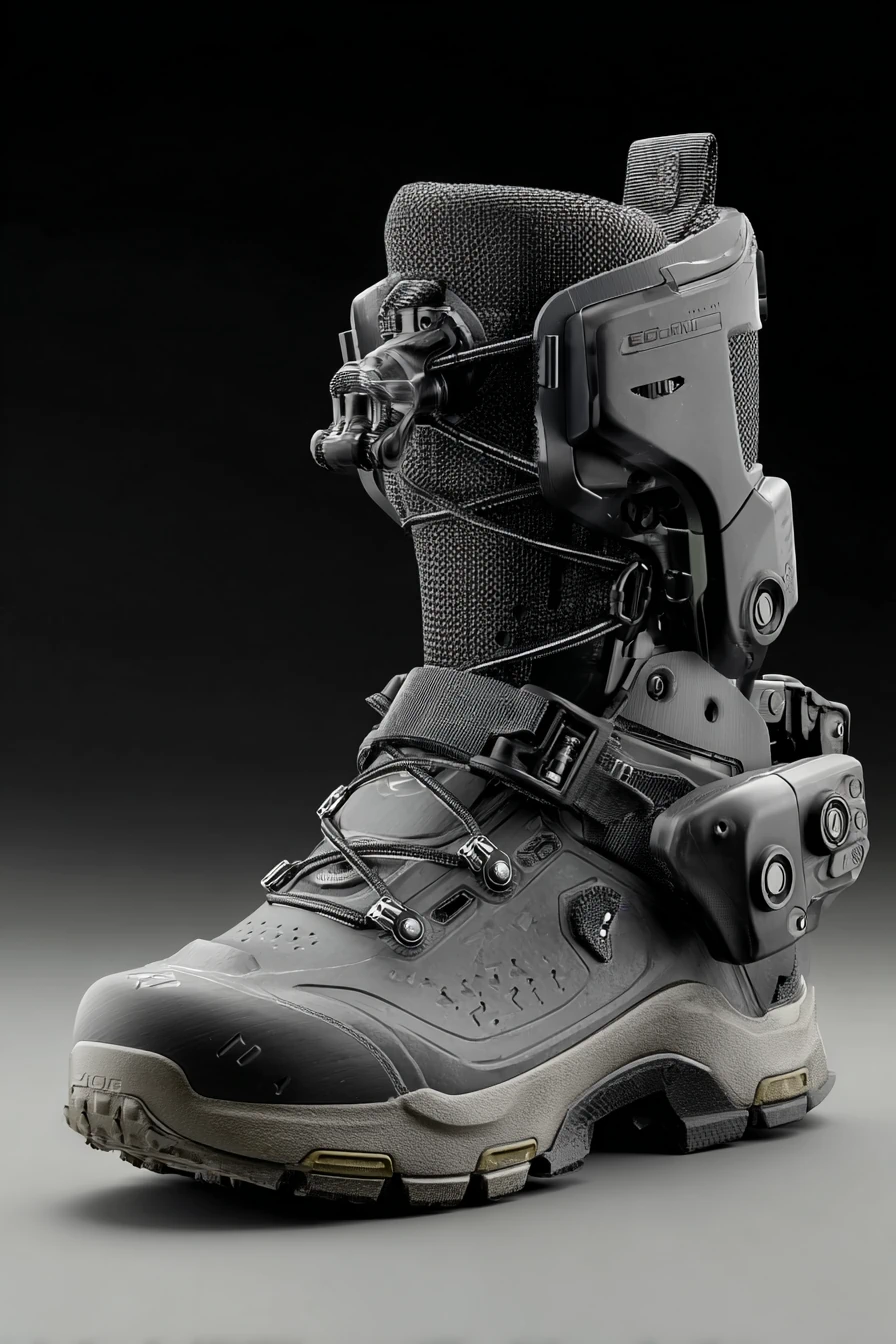
Life concerns the conditions through which bodies, minds, environments and forms of coexistence are organised. It includes the cognitive and biological dimensions of experience, ways of inhabiting, relationships with other living beings and the interdependence between human activities and ecosystems.


Objects participate in these conditions. They mediate gestures, perceptions, behaviours and relationships; connect bodies with spaces and systems; distribute possibilities and constraints. Designing an object therefore means intervening in the network of relations that surrounds and exceeds it.

Materials and processes are not passive recipients of a predetermined form. Their properties, limits, transformations and temporalities actively influence the project. Considering their participation opens design towards a more relational understanding of matter, production and life.
03
BACK AND FORTH.
Pasts as evidence, futures as hypotheses
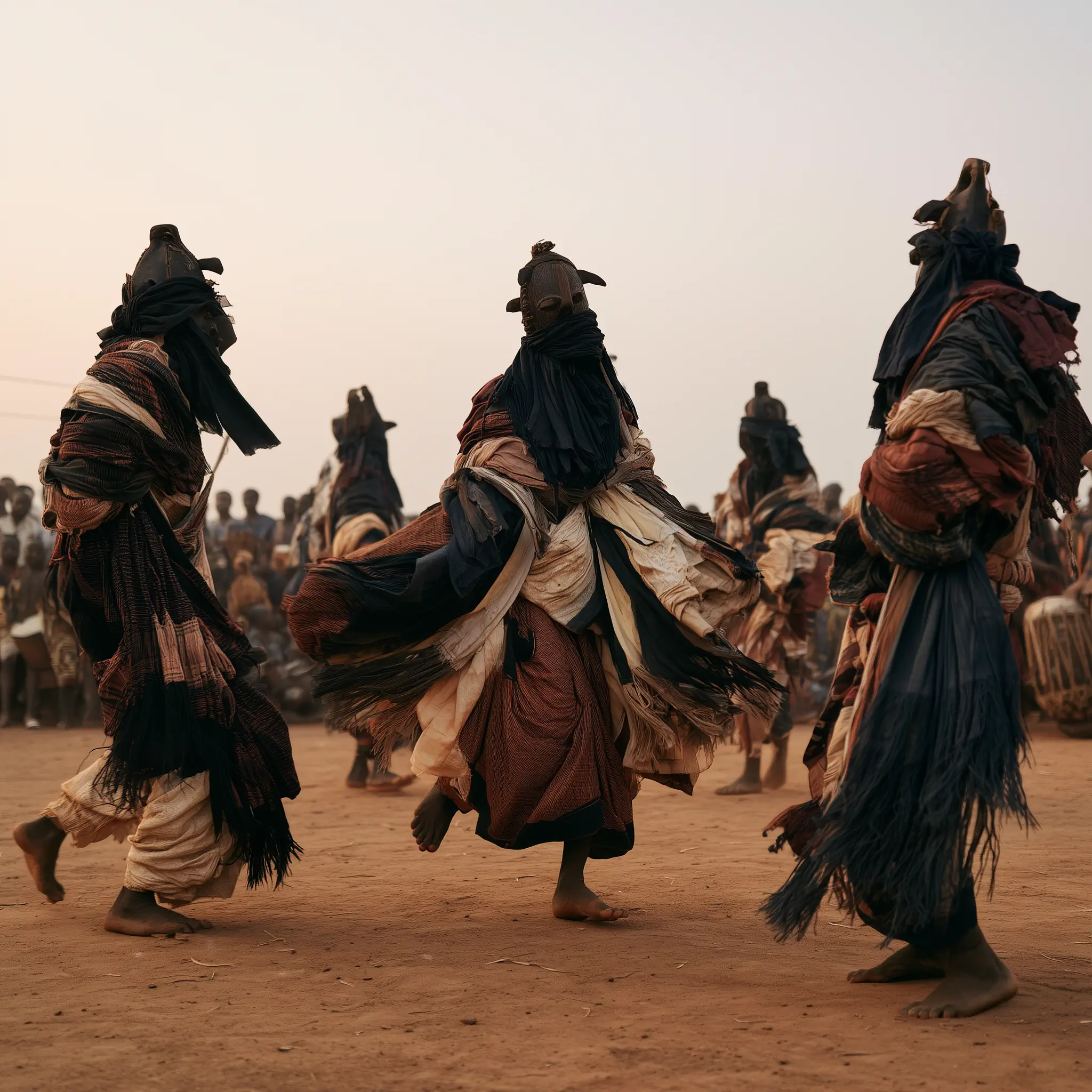
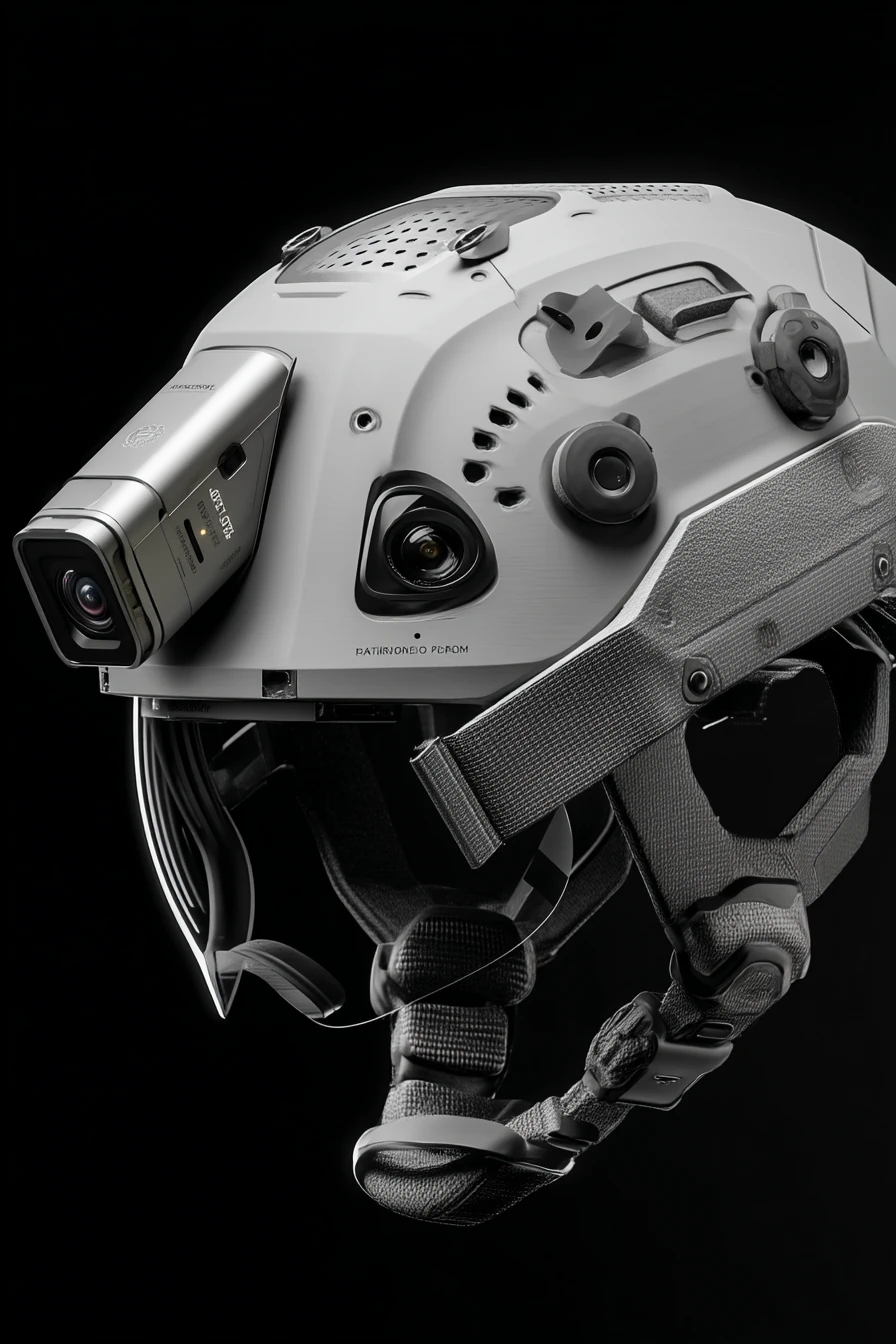
Design moves continuously backwards and forwards. It reconstructs the past through artefacts, techniques, archives and typologies, while using the future as a space for hypotheses. What has existed becomes material for understanding what might emerge; imagined futures, in turn, alter the way the past and present are interpreted.
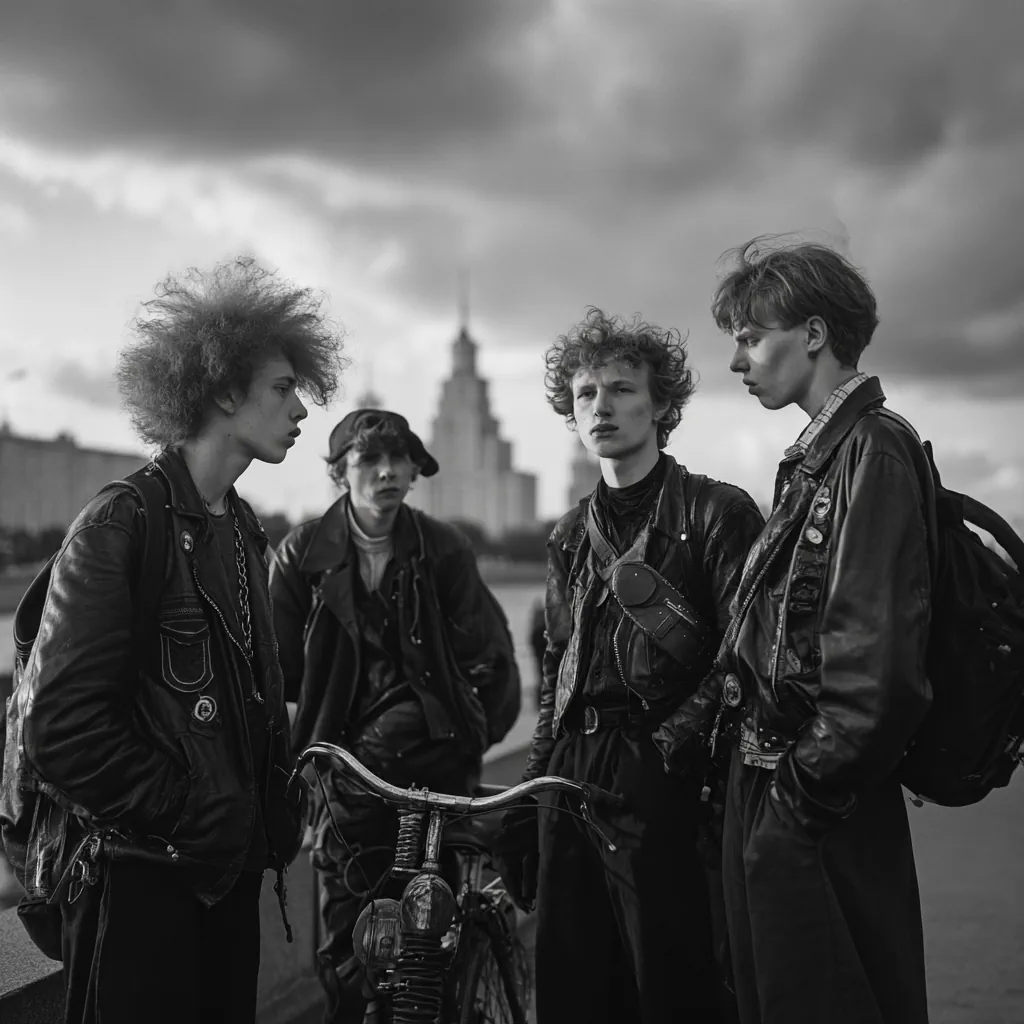
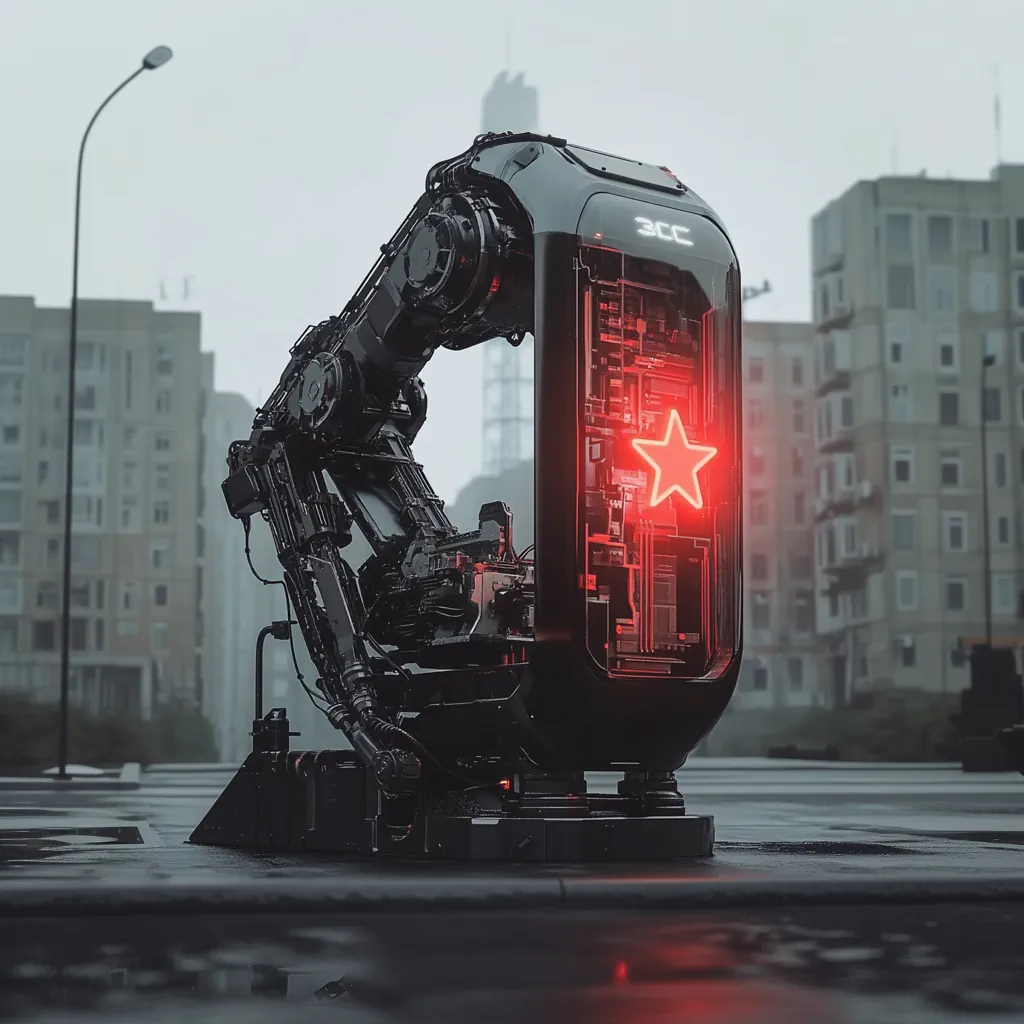
Within this movement, the distinction between problem solving and speculative design becomes less rigid. The possible and the apparently impossible can both generate knowledge: one addresses existing conditions, while the other exposes assumptions, extends questions and makes alternative trajectories conceivable.
Research is therefore not merely a preliminary phase. It is itself a form of design, capable of producing relationships, models, scenarios and new fields of action. Futures are not predicted as definitive outcomes: they are prototyped so that different possibilities can become observable, testable and discussable.
04
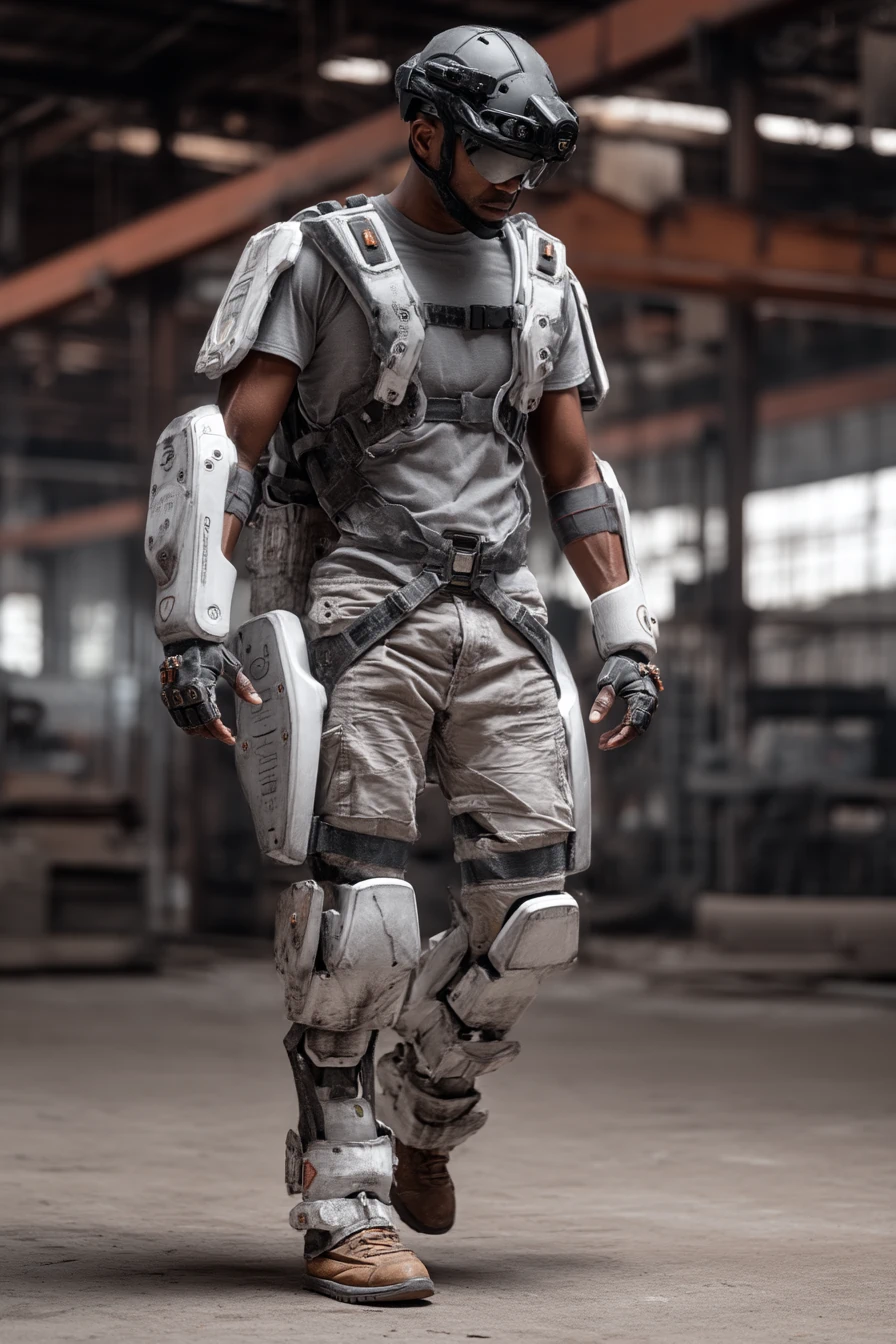
HYBRIDISATION.
New forms between existing categories.
Hybridisation is one of the central methods of Ate Rote. It operates between forms, styles, functions, materials, technologies and typologies, but also between different periods, scales and systems of knowledge.

It is not the simple combination of recognisable elements. It is a way of exploring the productive distance between categories: between furniture and mobility, craft and computation, object and system, permanence and transformation, past and future. Within these intermediate territories, unexpected typologies, behaviours and meanings can emerge.