ASSISTIVE
WORK
Concepts &
Research
DPSDD
Adaptive Augmentation
AI- and Data-Informed Concepts for Modular Human–Machine Assistance
Concept Research at DPSDD
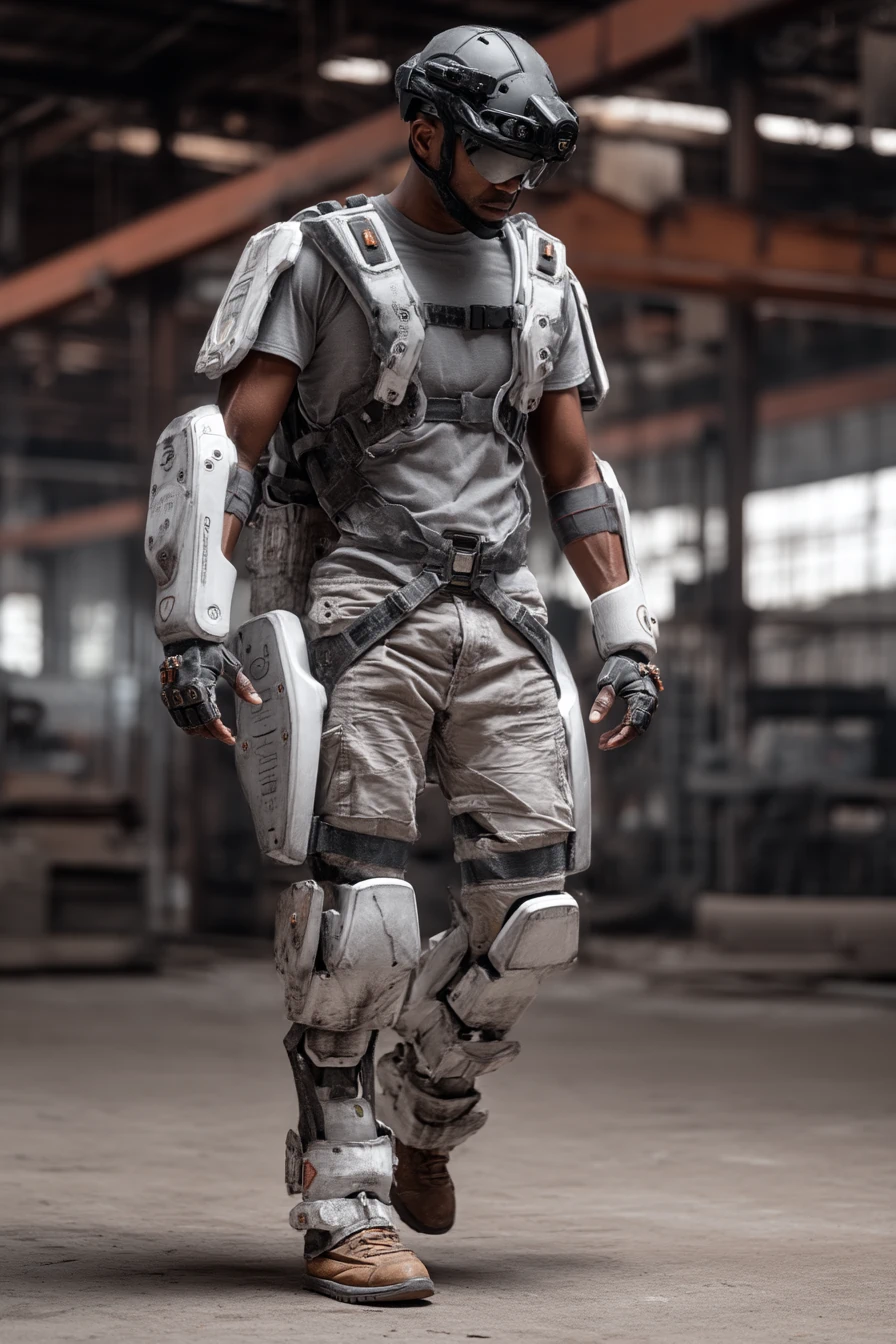
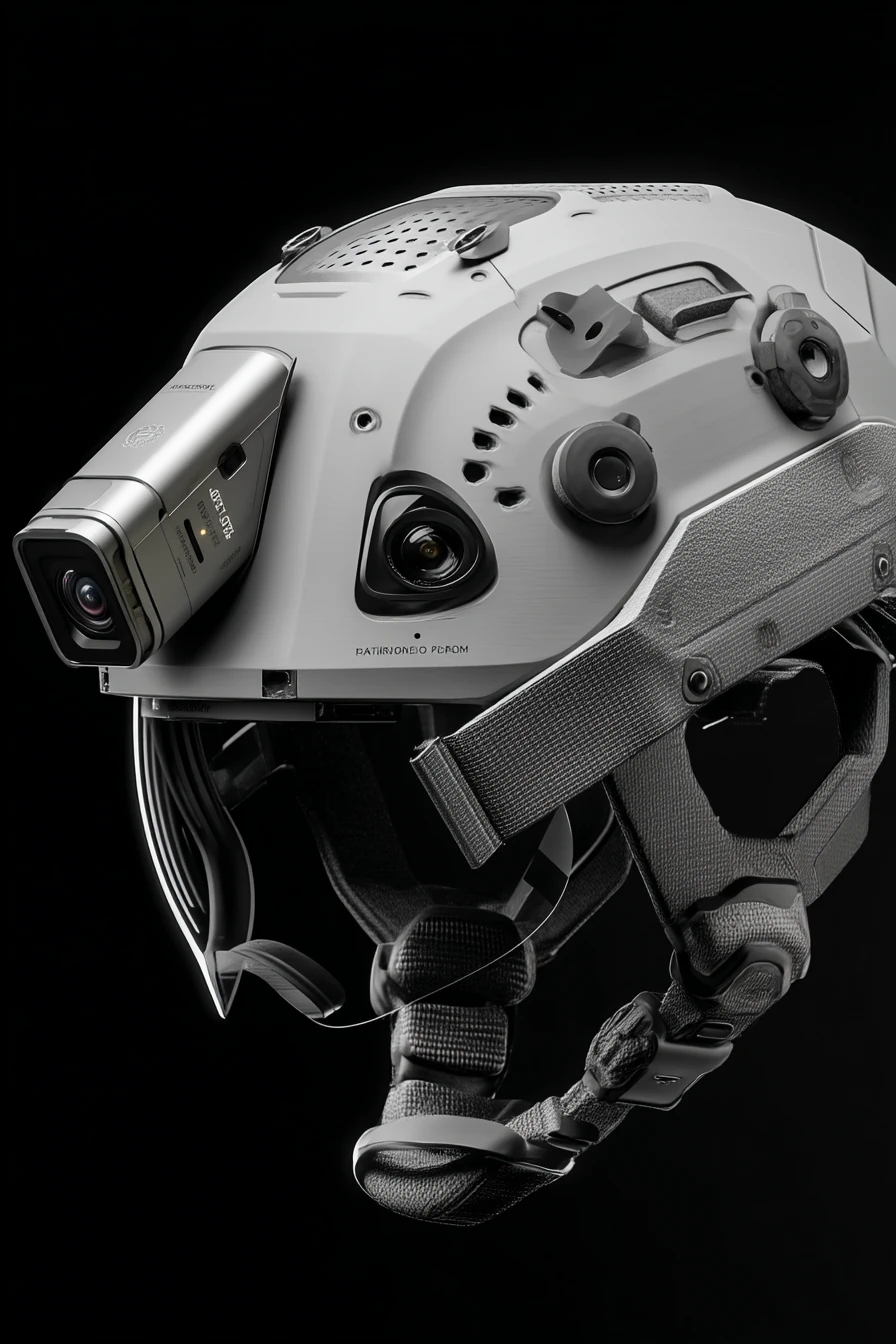
This concept research explores a family of modular assistive tools designed to enhance industrial labor through adaptive exoskeletal frameworks. It also forms part of my research at the Department of Product and Systems Design Engineering, University of the Aegean, investigating how AI and data science can advance conceptual design and technical development processes. The concepts include shoes with integrated micro-exoskeletons for load support, robotic arms attachable to structural harnesses, and helmets embedding sensors, cameras, and laser-based inspection tools. Each element functions as an independent “plugin” capable of augmenting human motion, perception, and safety within demanding manufacturing environments. The focus is on seamless integration: lightweight structures, quick-mount interfaces, and responsive architectures that amplify precision and reduce physical strain.
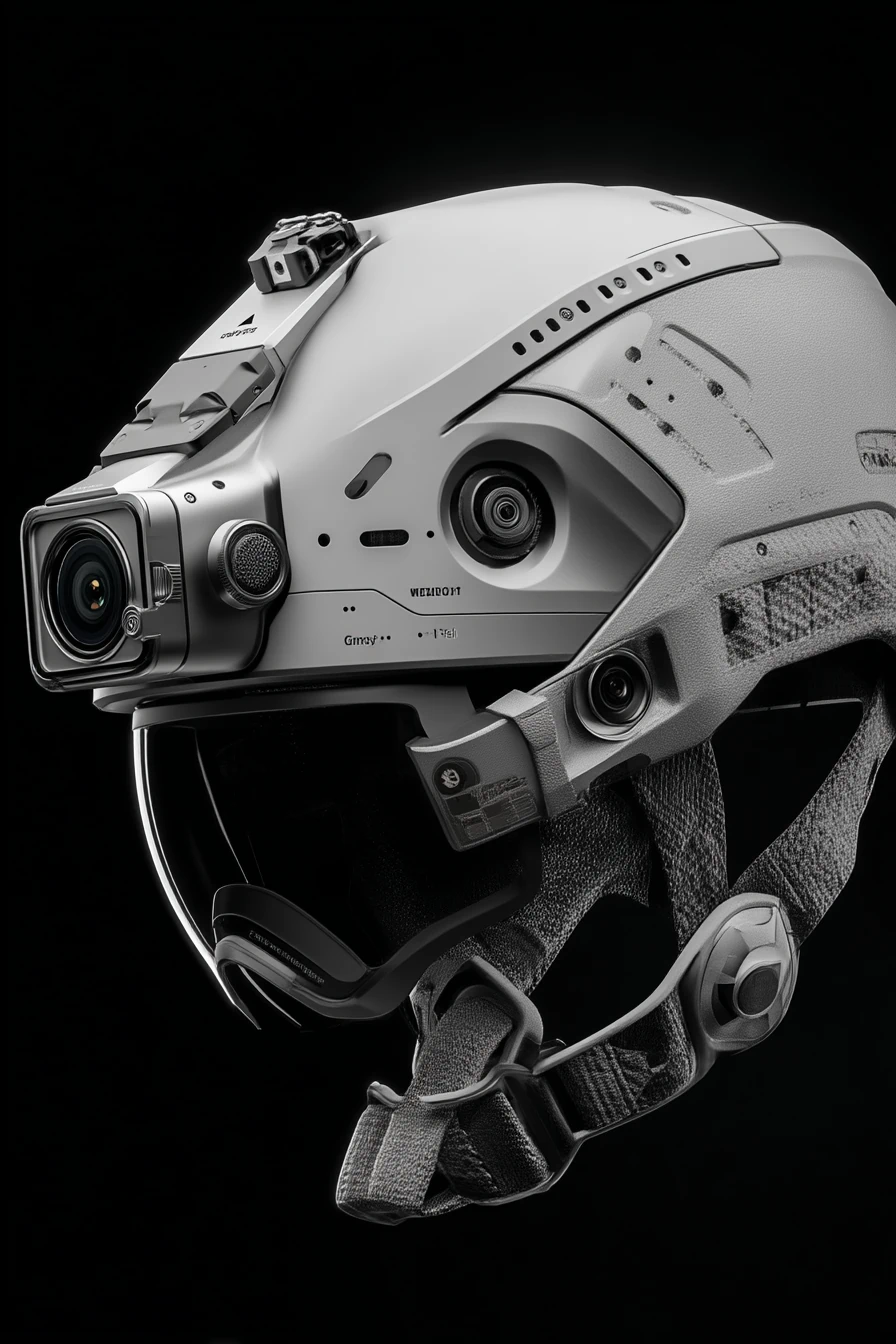
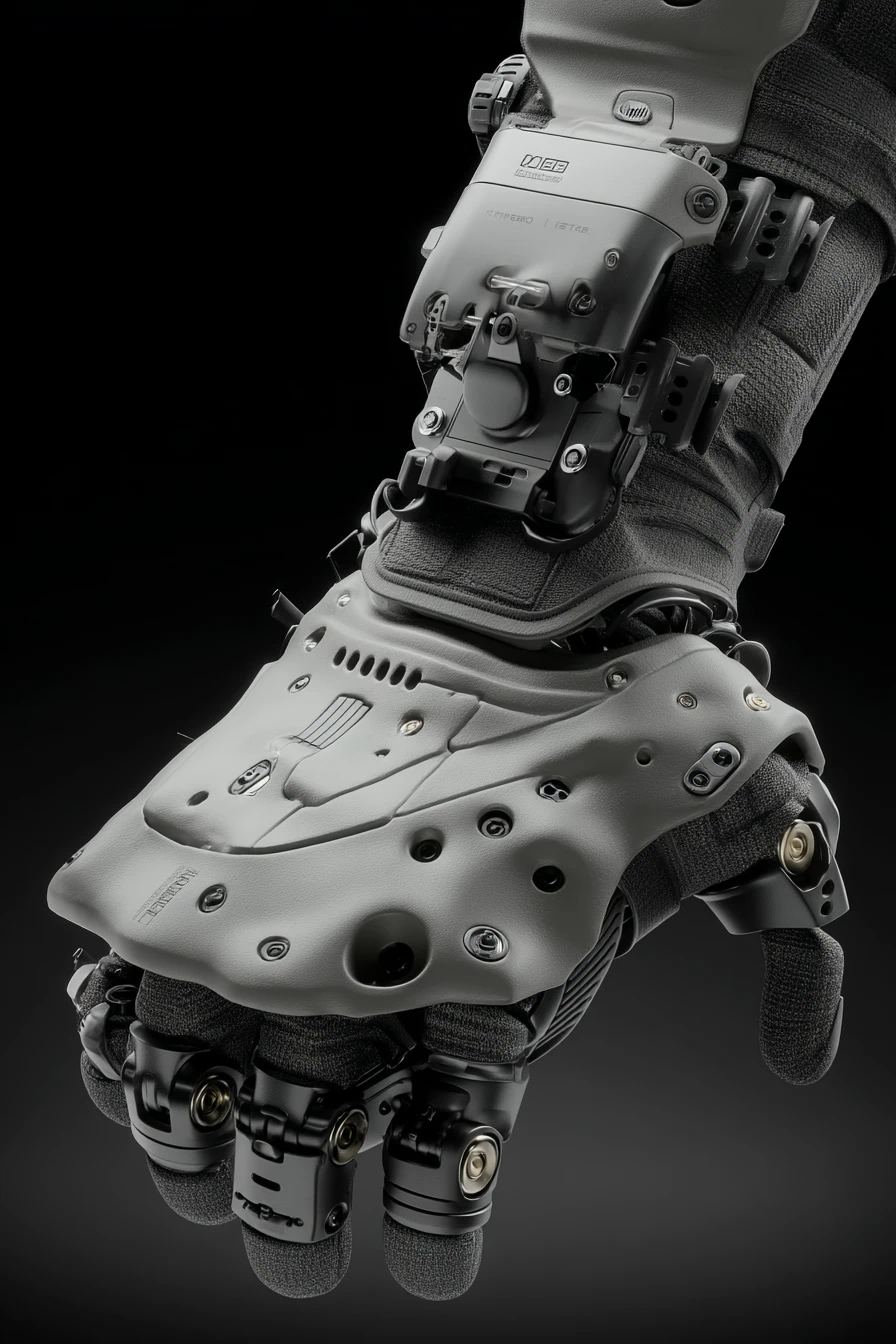
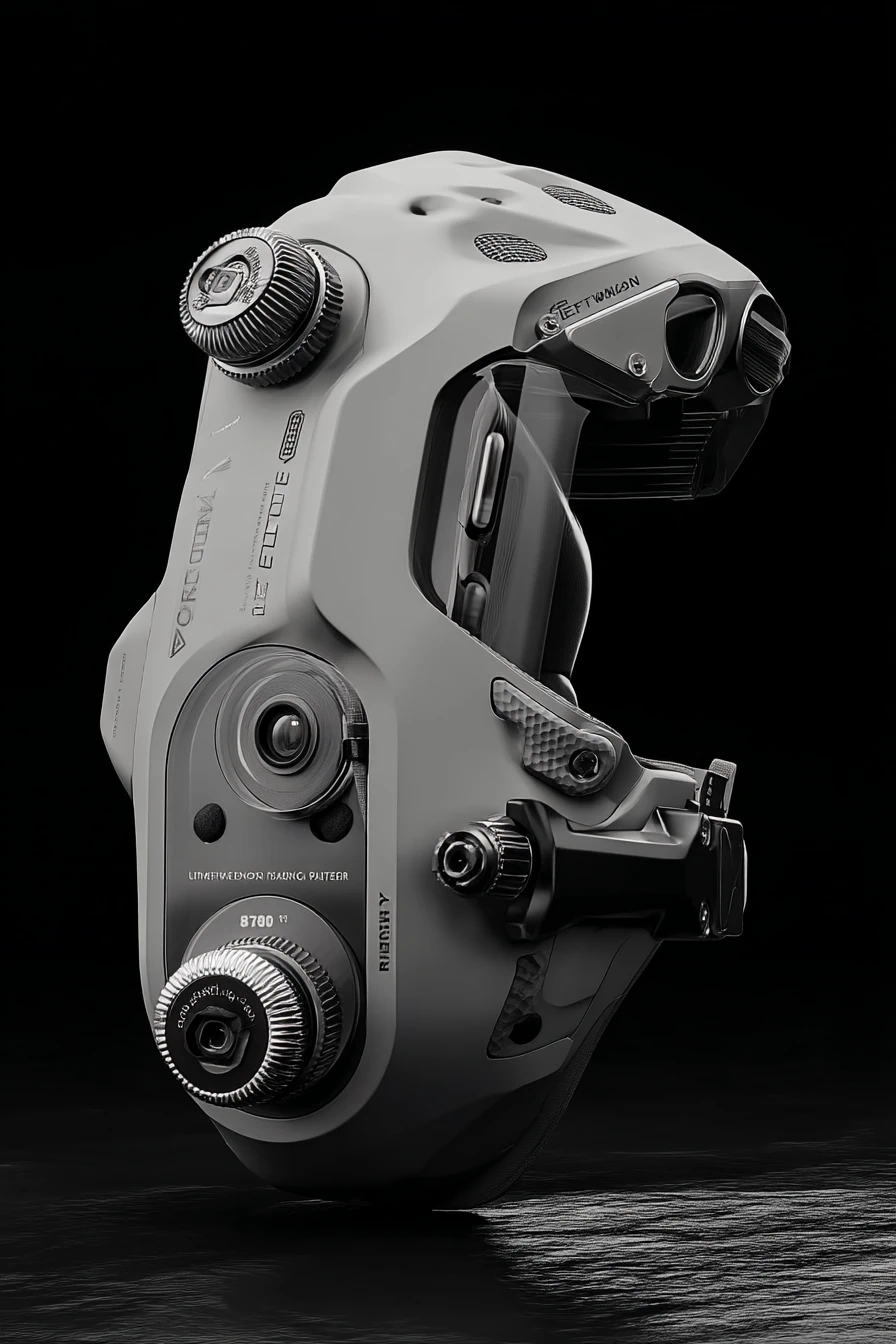
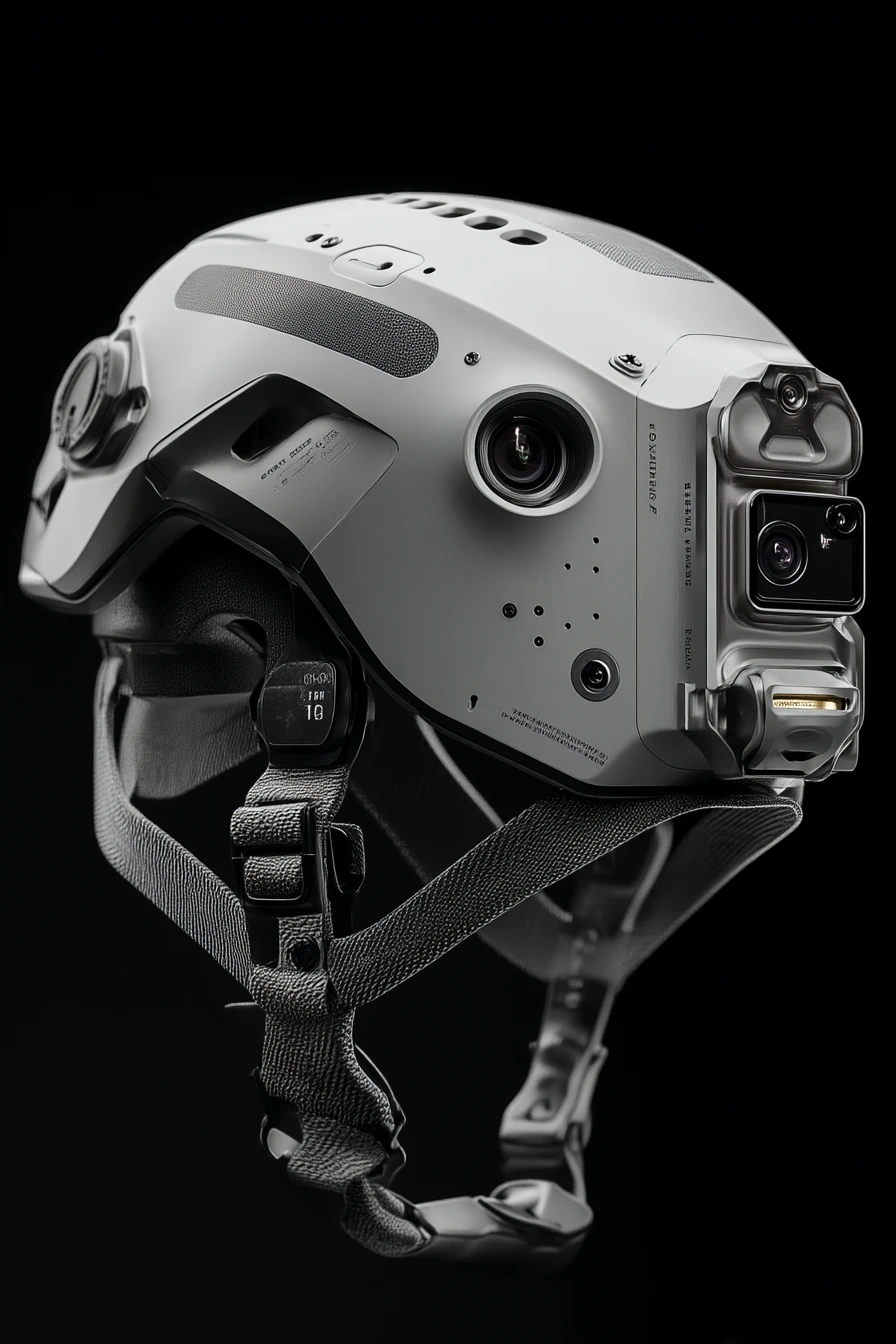
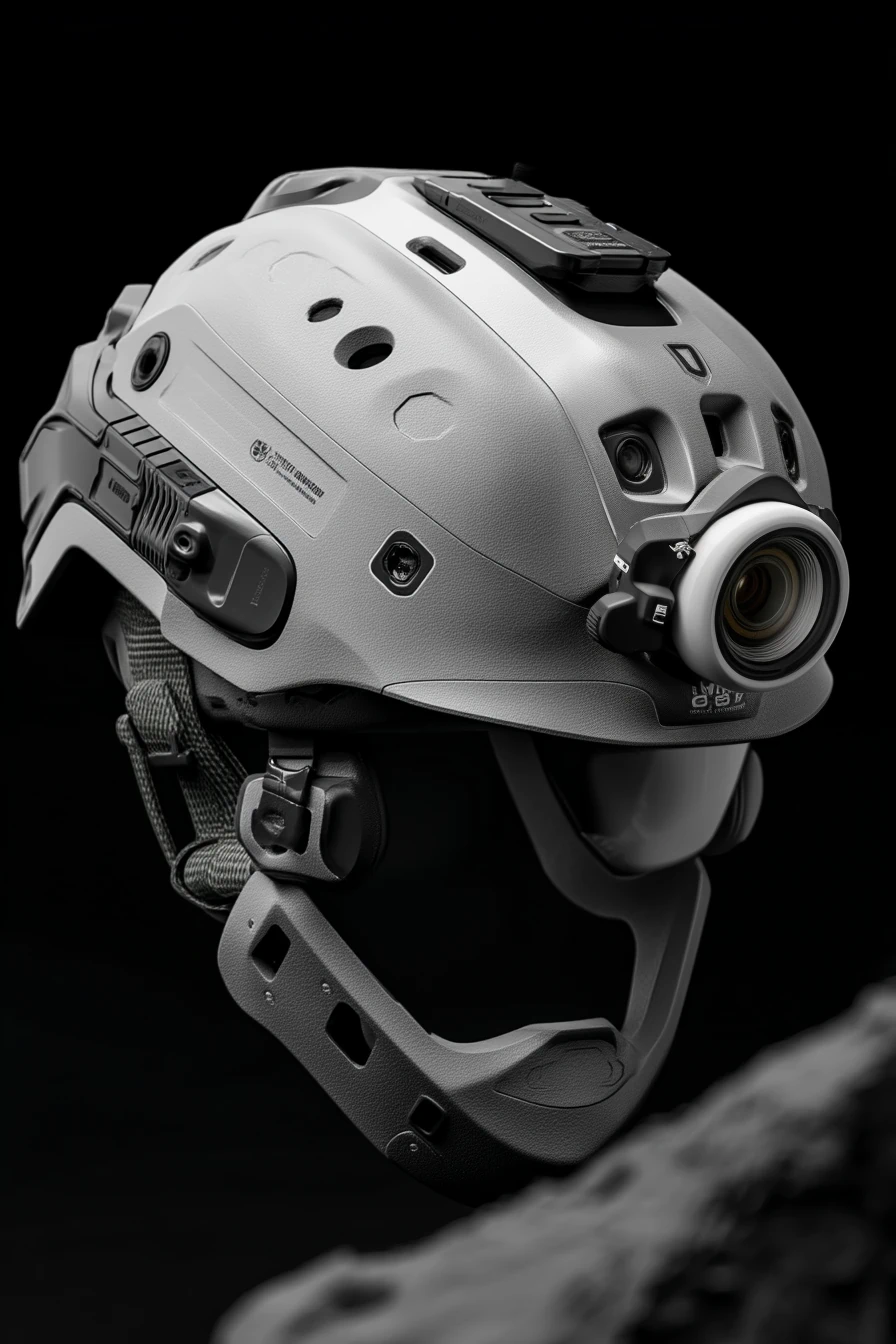
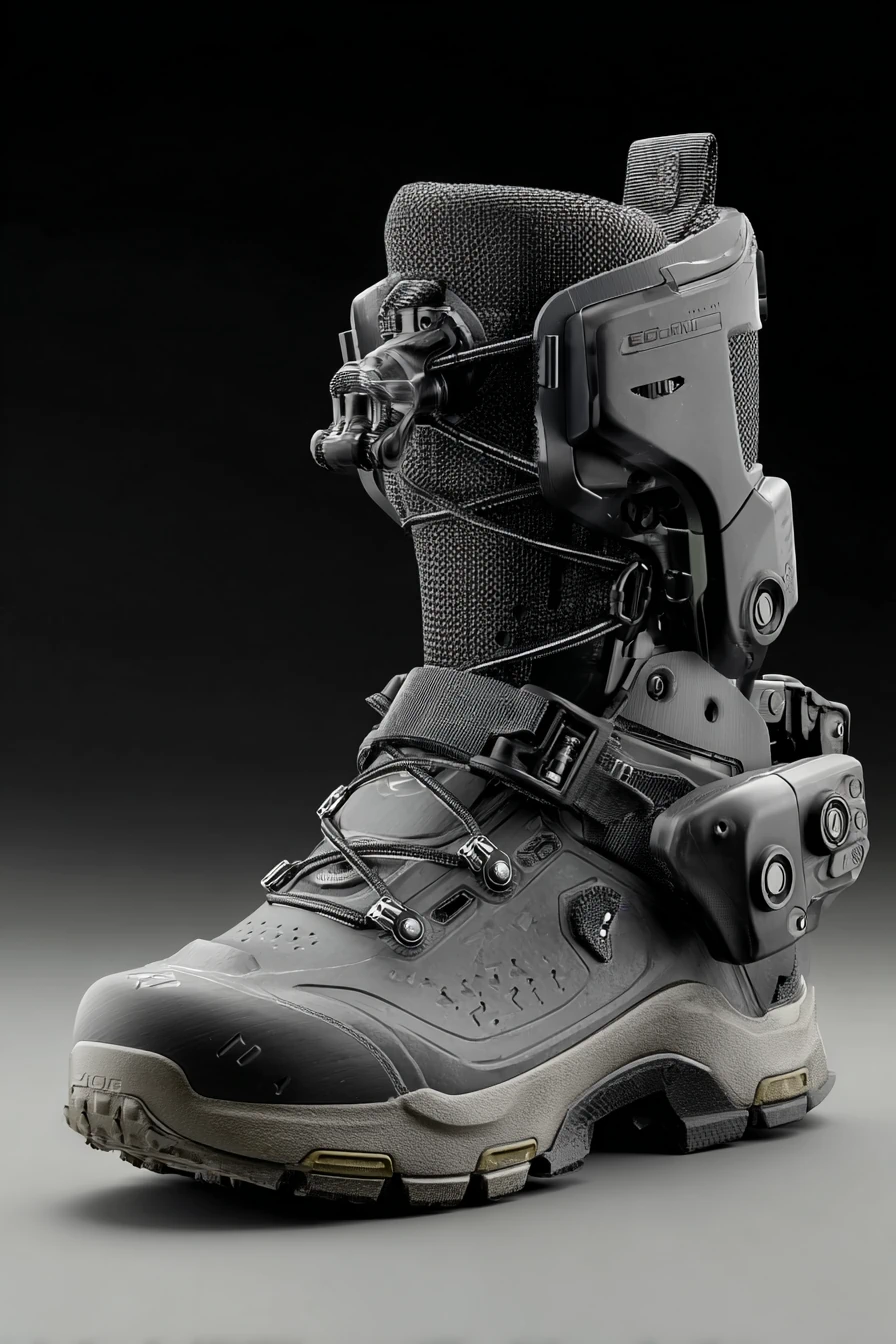
The modularity of these tools allows workers to configure personalized systems based on the task, rotating through components that expand physical capability or extend sensory reach. Exoskeletal shoes stabilize the body and redistribute weight; robotic arm modules add strength or precision; headgear incorporates real-time diagnostic feedback. The system behaves like an ecosystem of augmentations where each tool contributes a distinct functional layer, and where interoperability ensures that upgrades or substitutions can occur without redesigning the entire apparatus.


These concepts highlight an emerging design space where industrial labor becomes safer, more intelligent, and more adaptive through human-machine symbiosis.
Current research shows that hybrid augmentation systems—mechanical, robotic, and sensor-based—can reduce injuries, improve task accuracy, and support workers in repetitive or high-load operations. These speculative tools position modular exoskeletons not only as physical supports but as platforms capable of evolving through new attachments, new data streams, and new forms of operational intelligence.