DATA
DRIVEN
SHOES
Concepts &
Design Process
Innovation
Artop
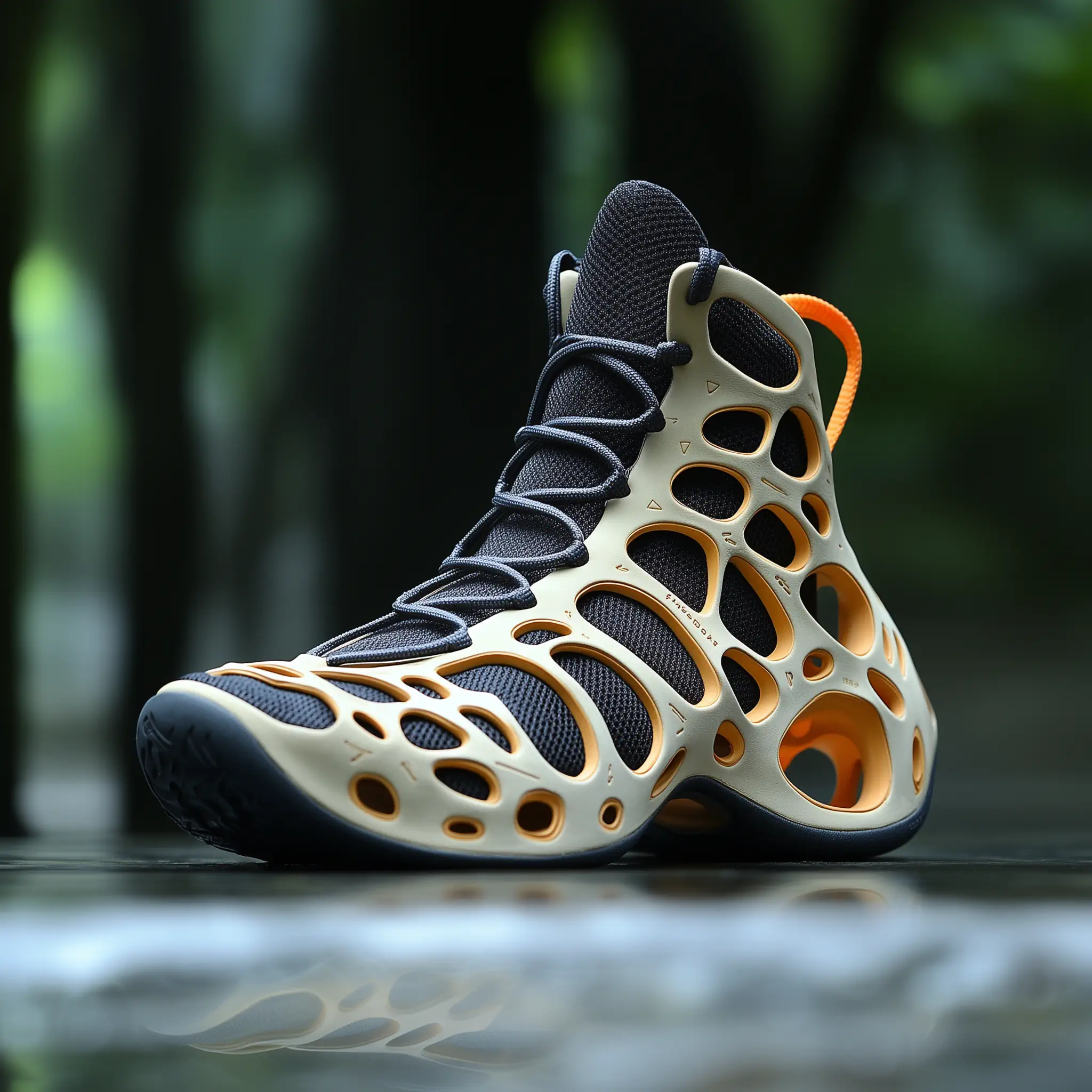
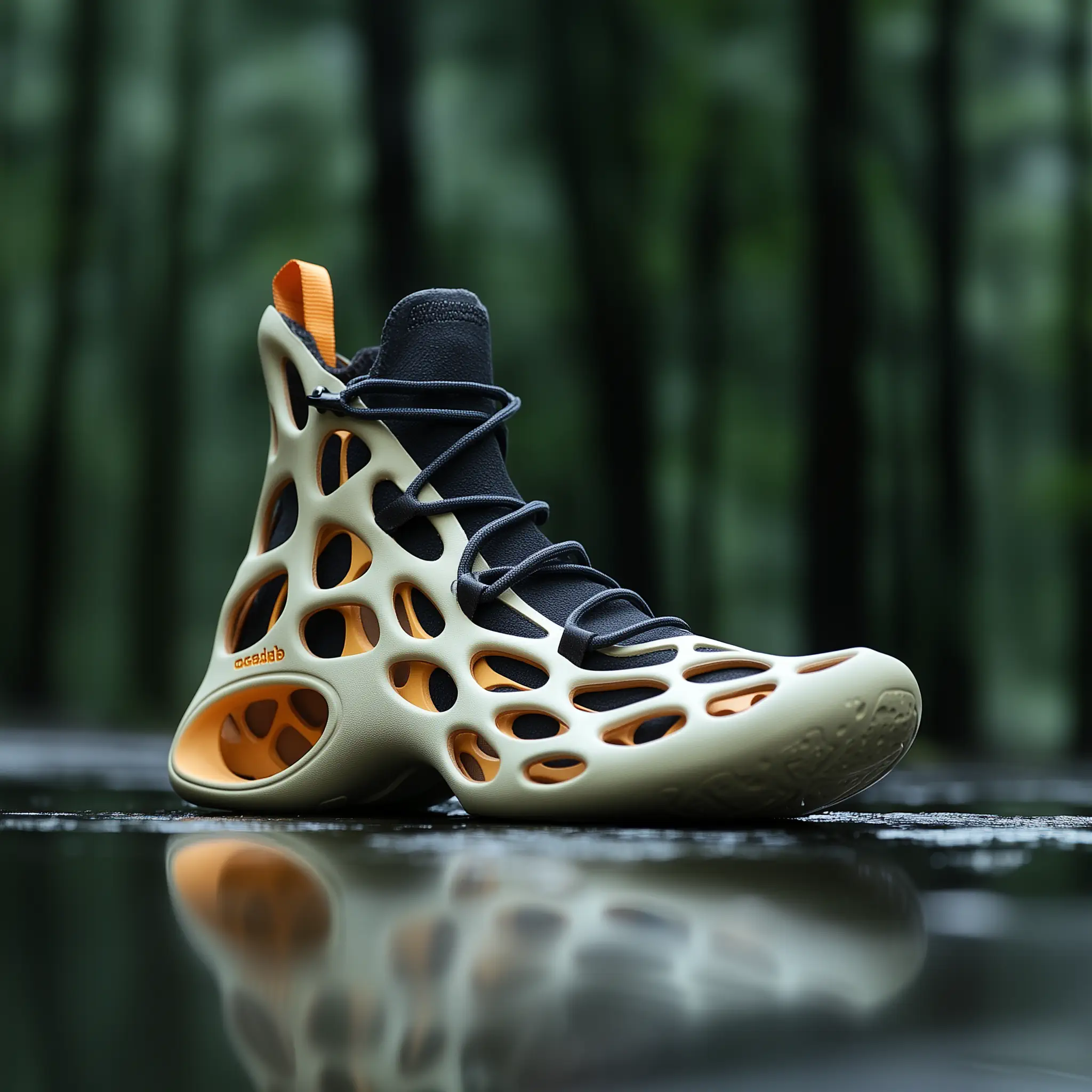
Data-Driven Shoes originated as an applied research project developed for Artop Design Group to investigate how text analysis, data science and generative AI could be introduced into concept-design processes. Footwear was selected as a compact yet complex field of experimentation, where ergonomics, performance, material innovation and rapidly evolving cultural languages converge within a single product typology.
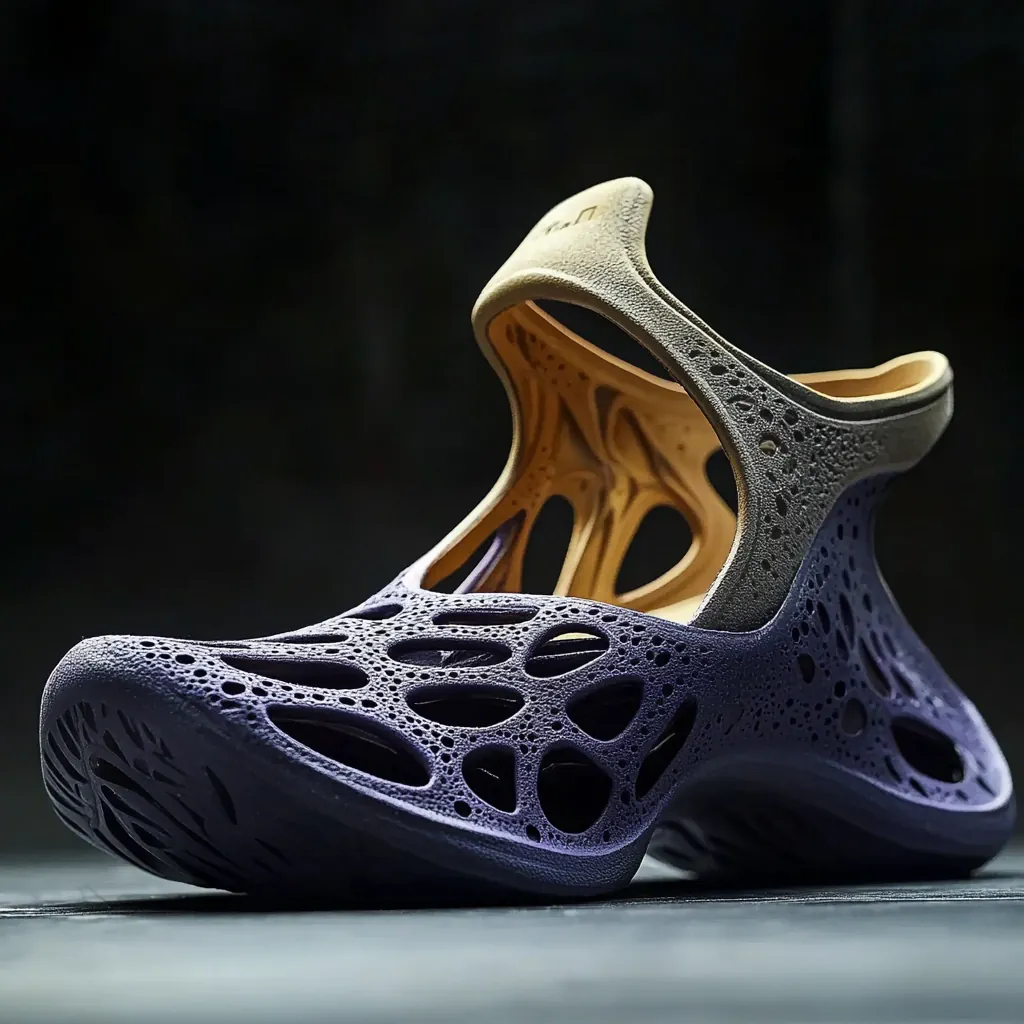
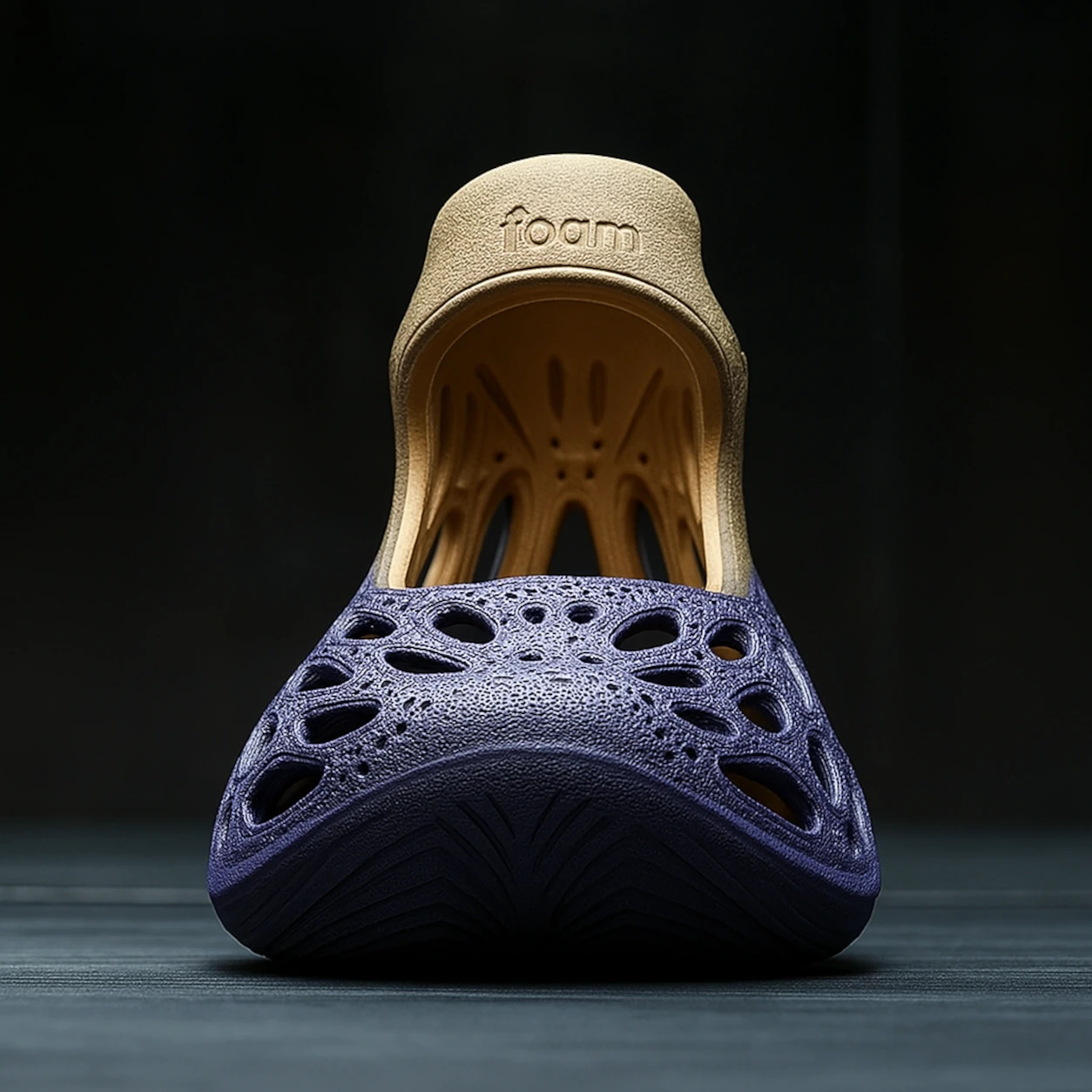
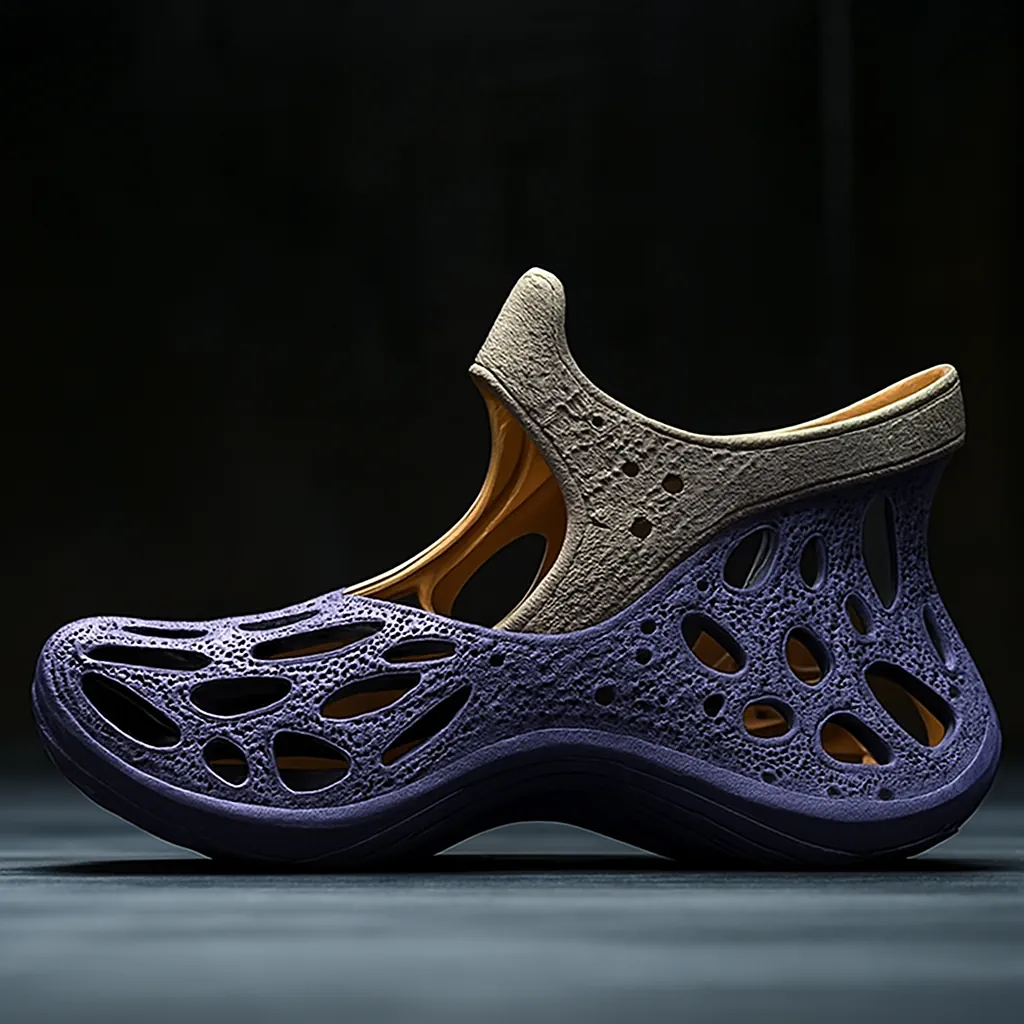
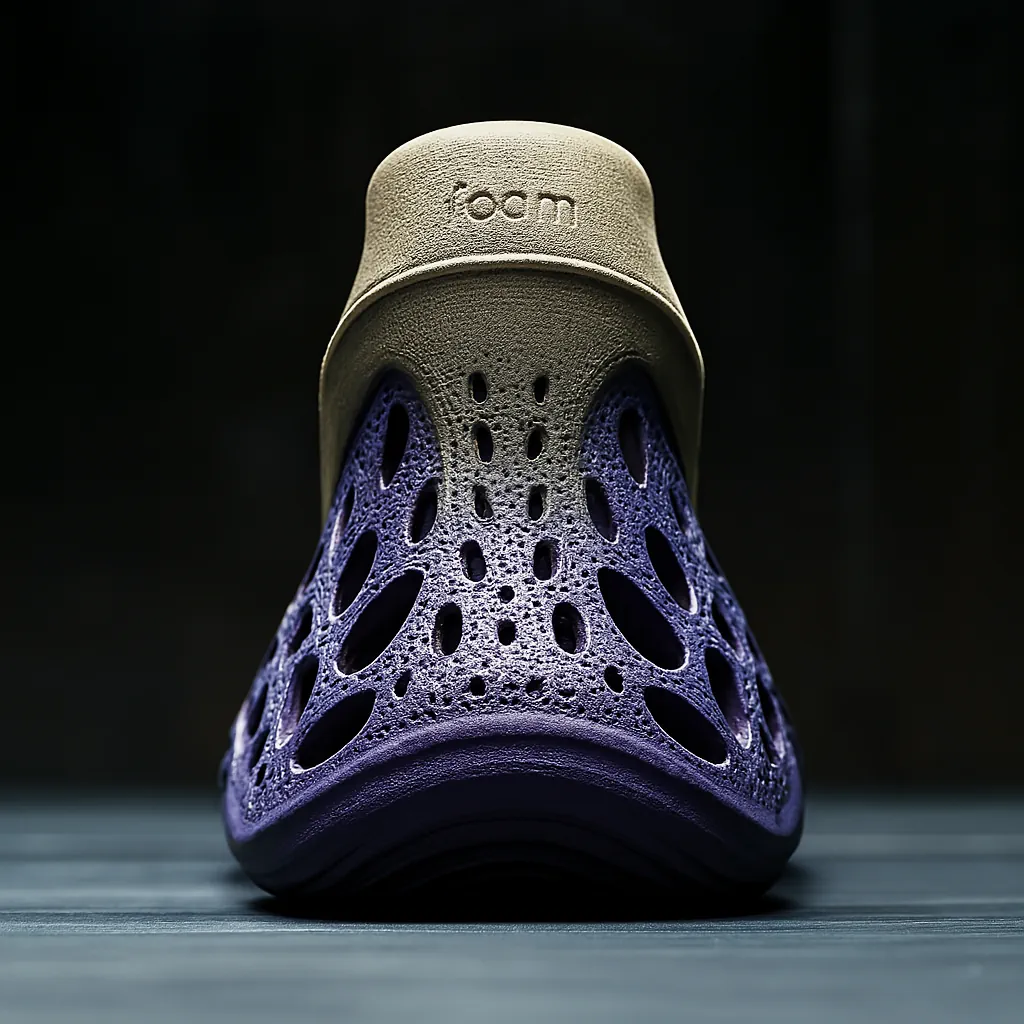
The research began with the construction and analysis of extensive corpora combining product references, trend reports, market signals, material developments and user expectations. Text mining and image analysis were employed to identify recurring vocabularies, semantic associations, formal grammars and emerging design opportunities. These findings were translated into criteria and design directions, providing the process with an evidence-based foundation without reducing it to a deterministic system.


Generative AI was then used to expand the space of possible solutions. Data-derived patterns were reformulated as prompts, constraints and relational principles, producing a wide field of aesthetic and functional hypotheses. Rather than acting as an autonomous author or a stylistic overlay, AI became an exploratory medium through which alternatives could be generated, compared and critically selected by the designer.


The selected images were treated not as final outcomes, but as design hypotheses requiring interpretation and reconstruction. Through three-dimensional and parametric modelling, proportions, curvatures, structural voids, material thicknesses and construction principles became editable variables. Multi-criteria evaluation progressively reconnected generative exploration with ergonomics, manufacturing constraints and the intended contexts of use.
