FURNITURE
PROCESS
INTELLIGENCE
Concepts &
Design Process
Innovation
DPSDD
AI-Augmented Concept Design:
from data-informed exploration to virtual and physical prototyping.
DPSDD
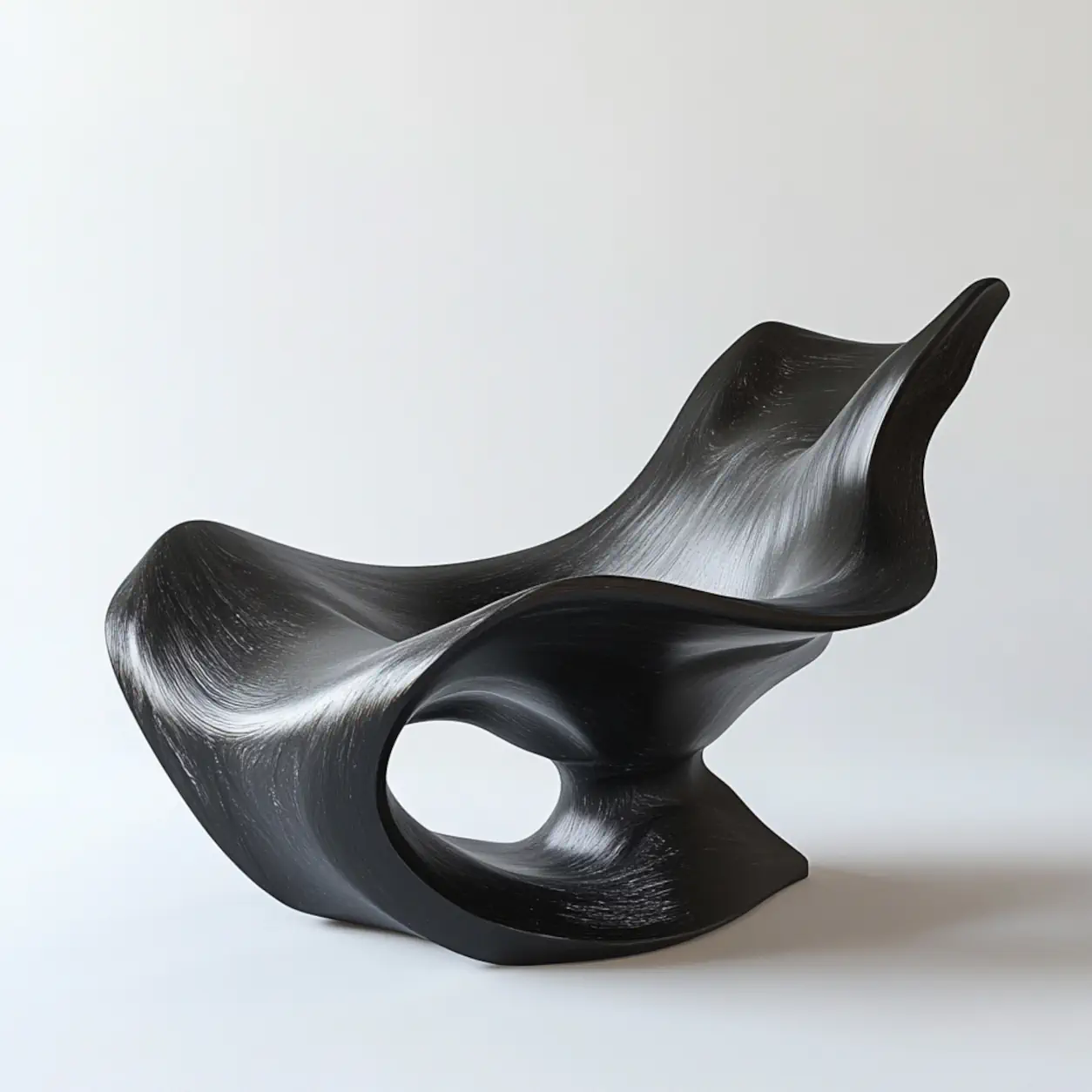
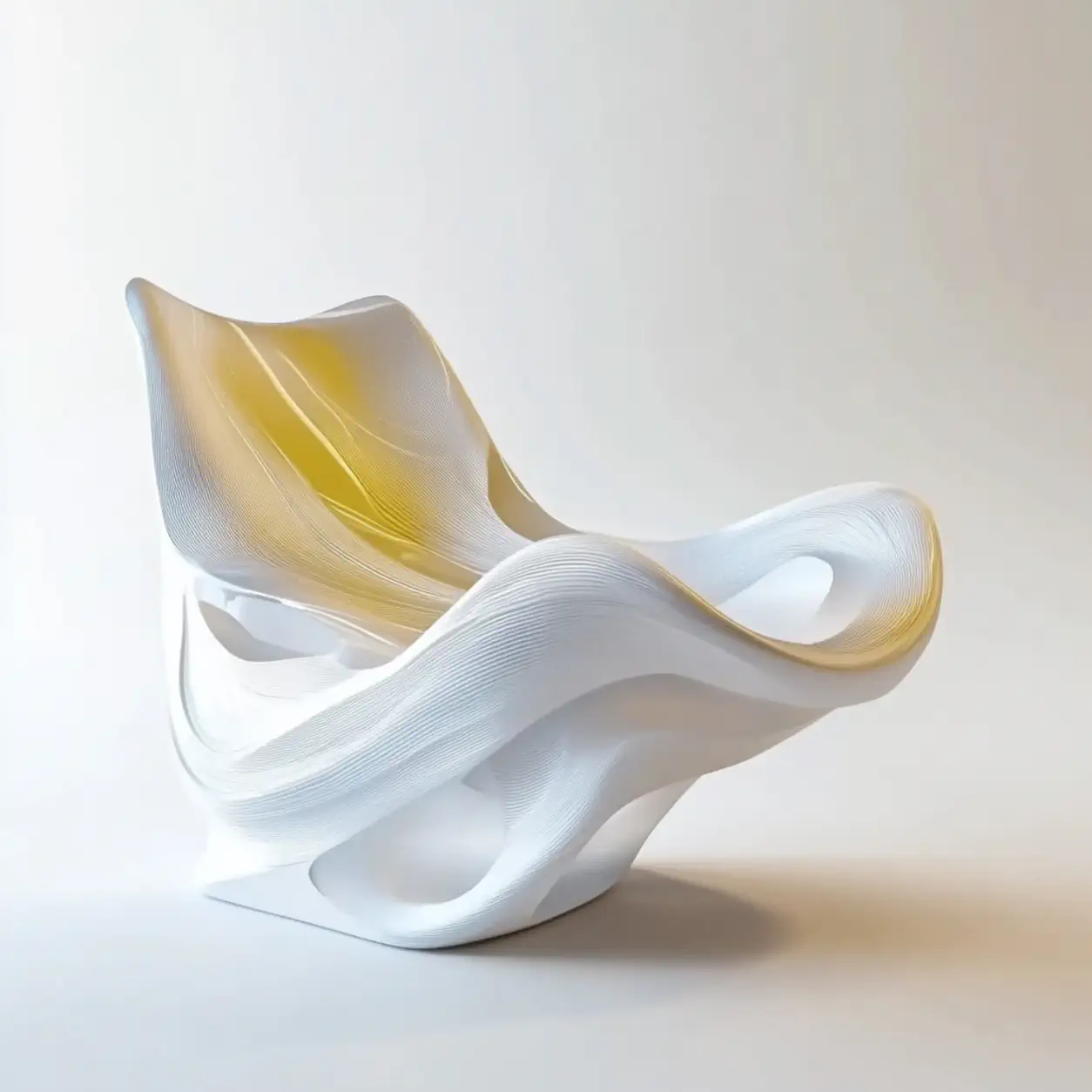
This body of work investigates an advanced design-tech pipeline that redefines how furniture concepts are generated, evaluated and transformed into prototyped artefacts. Conceived as a hybrid framework, it integrates data-driven research, AI-assisted form exploration and parametric modelling, while expanding the early stages of concept design to anticipate requirements, material behaviour, manufacturing constraints and subsequent modes of prototyping. Rather than treating ideation, modelling, engineering and fabrication as separate phases, the process considers them as an interconnected design environment in which downstream implications can inform the project from its earliest development.
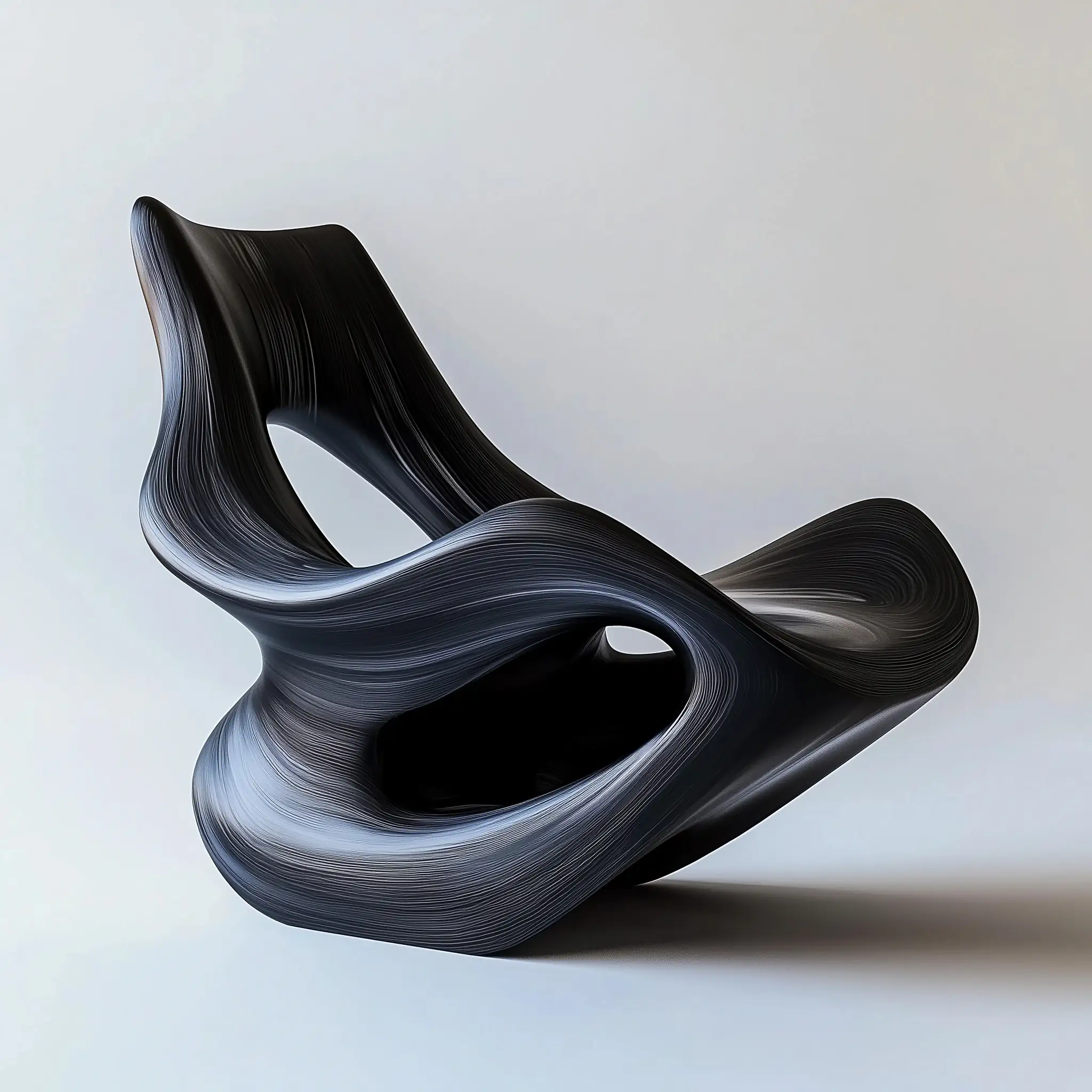
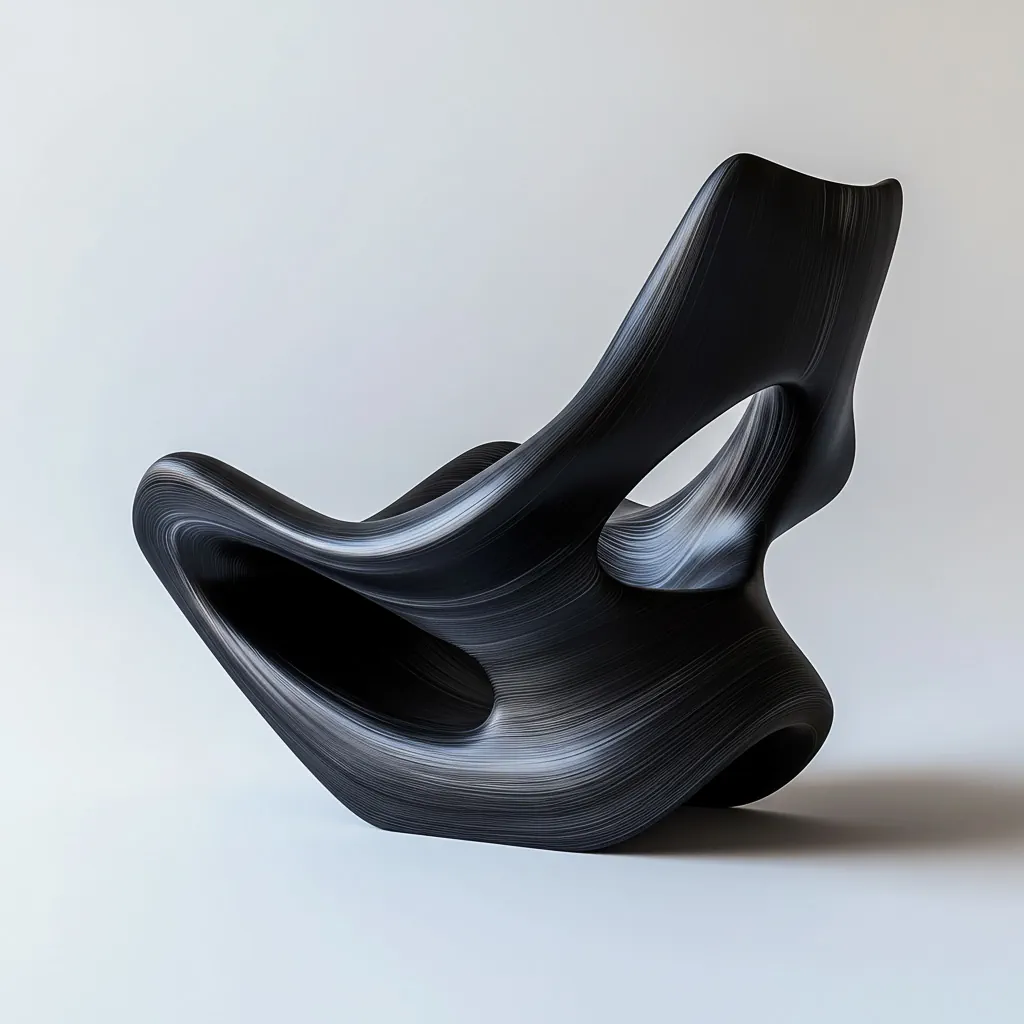
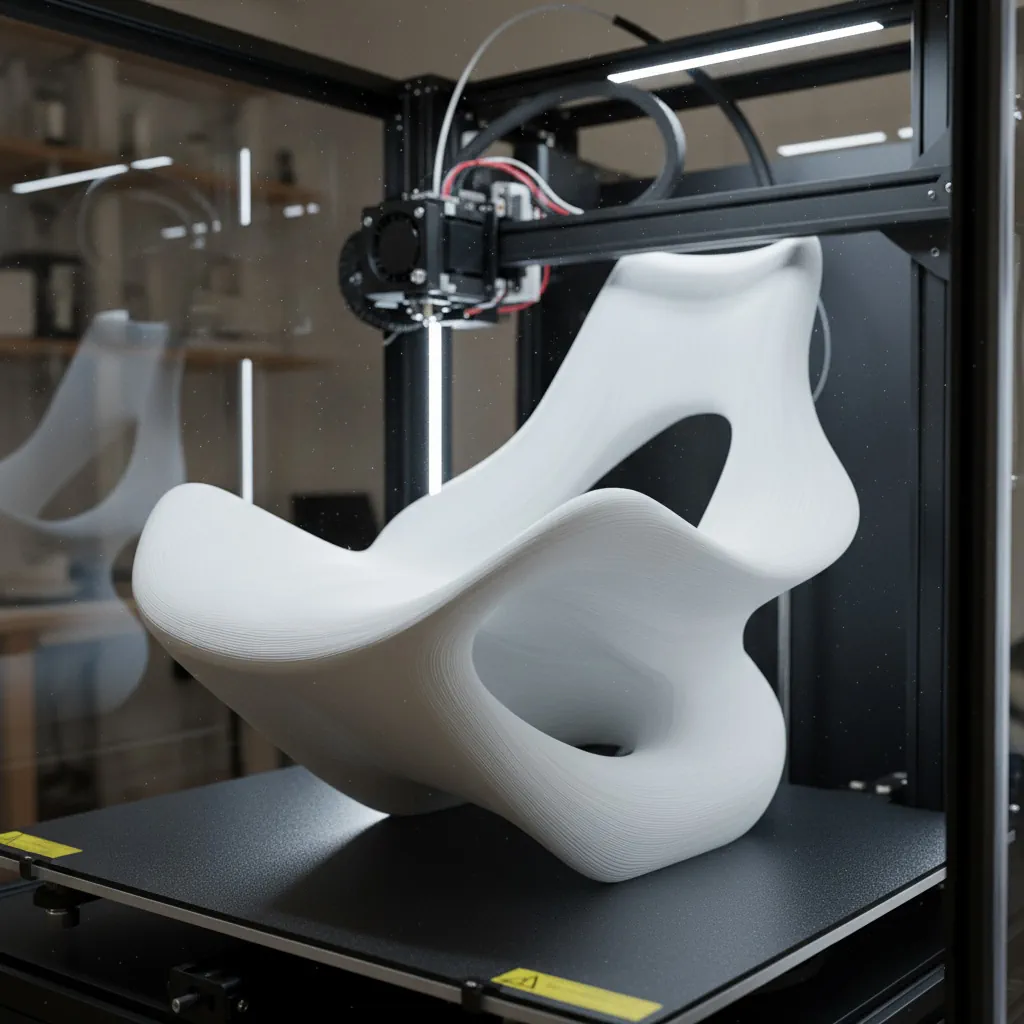
The workflow begins with an evidence-gathering phase in which text-mining and visual-analysis tools process corpora of precedents, user requirements, material logics and emerging aesthetic signals. The extracted patterns inform the formal, functional and structural direction of the project before being translated into AI-generated 2D explorations. AI is used not as a stylistic patch or moodboard generator, but as an ideation accelerator and anticipatory design instrument. It rapidly maps a broad field of possibilities while allowing relationships between form, requirements, material performance and potential fabrication processes to be explored before the geometry is fully defined.


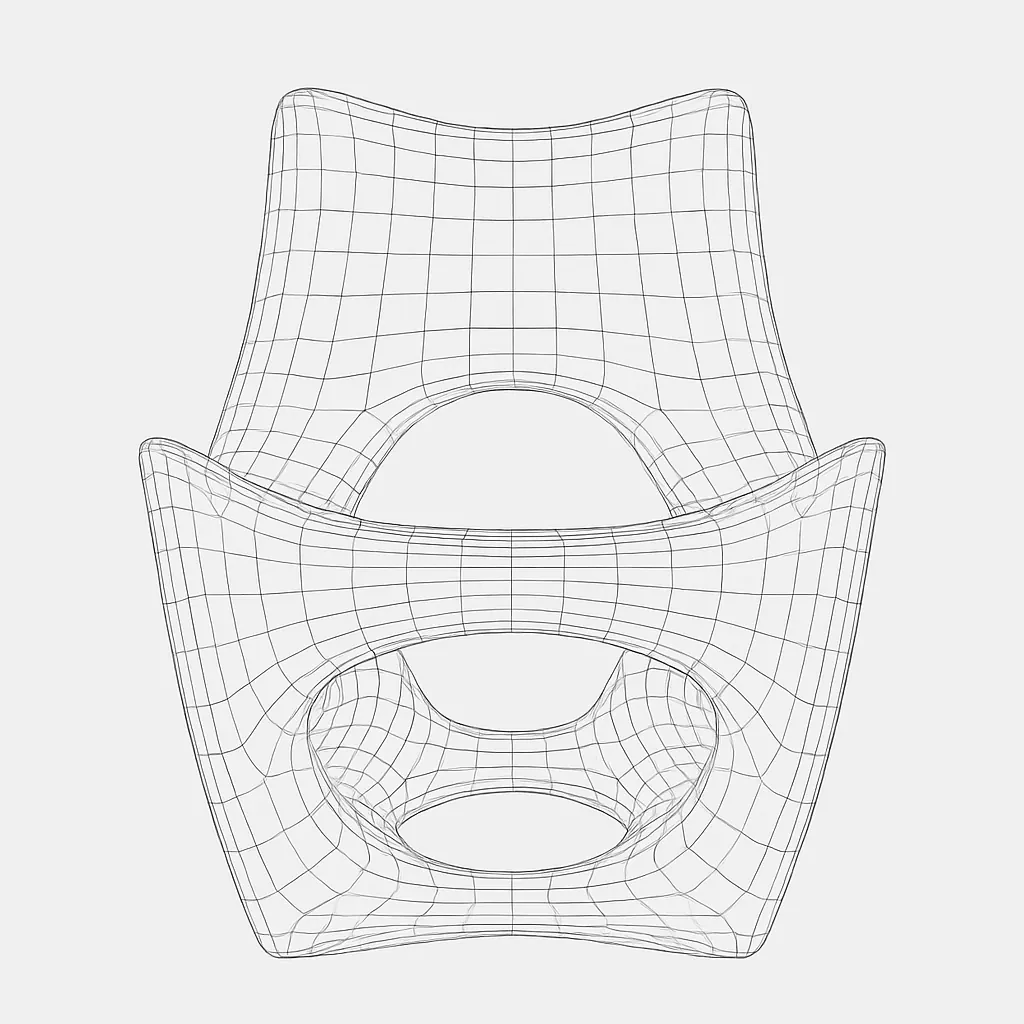
Selected visual outcomes are subsequently reconstructed within a parametric modelling environment, where form, proportion and structural continuity are developed from first principles. Geometry becomes programmable rather than merely drawn, allowing topology, thickness, curvature, assembly logic, ergonomic feedback and manufacturing constraints to be incorporated into a controllable virtual prototype. This transition from generated image to structured three-dimensional model is fundamental: AI outputs are treated as design hypotheses that must be interpreted, calibrated and verified. Retopology and parametric conversion return control and authorship to the designer while preparing each concept for further technical development and physical evaluation.


Once computationally reconstructed, the models can be prepared for physical prototyping through additive 3D printing or robotic CNC carving and milling, including applications involving advanced materials and biocomposites. These prototypes are not treated solely as final outputs, but as feedback instruments through which structural behaviour, touchpoints, spatial presence and fabrication feasibility can reshape the concept while it is still being developed. Through this method, sculptural seats, continuous-surface tables, ultra-light components and hybrid furniture-architectures emerge from the interaction of human intention, computational inference, structural intelligence and material behaviour rather than from styling applied after the design has been defined.
